
Congratulations! You have finally closed on your home, collected the keys, and navigated the chaotic hurdle of moving day. Now that the boxes are piled high in the living room, you might be wondering: what exactly comes next?
The transition from buyer to homeowner is a major milestone, but it is also a period where 95% of new homeowners forget critical tasks that can cost thousands of dollars later. Whether you are a first-time buyer or a seasoned mover, the first 30 days are the most critical period to protect your investment, ensure your family’s safety, and set the foundation for a stress-free living experience.
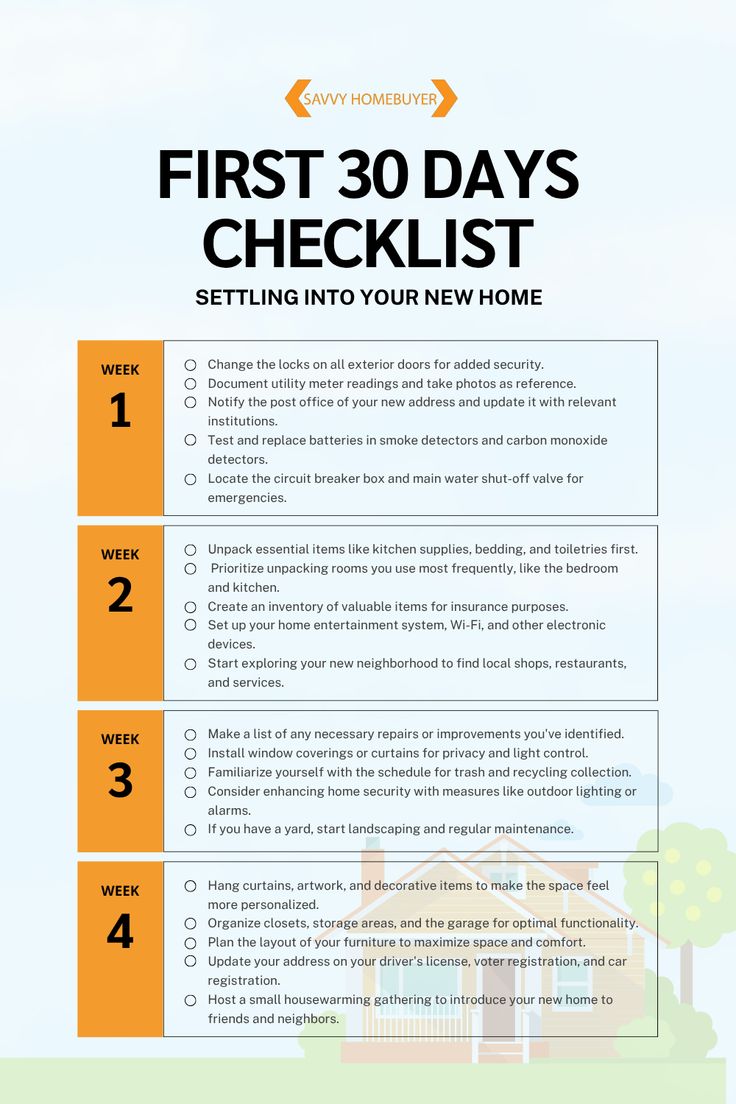
Why the First 30 Days Matter
Research shows that 41% of new homeowners neglect to change their door locks, and 73% fail to locate their main water shut-off valve within the first month. These oversights aren't just minor inconveniences; they are major security and financial risks. By following a structured new home setup checklist, you can avoid the "hidden costs" of homeownership—which studies indicate can range from $3,200 to $12,500 in the first year alone if maintenance is ignored.
Phase 1: Security and Immediate Safety (Days 1–7)
Your first week should be dedicated to making the house yours—literally. Securing your perimeter and verifying the health of your home’s "vitals" is non-negotiable.
1. Rekey or Replace All Exterior Locks
You have no idea who has a spare key to your home—previous owners, contractors, or even neighbors. Rekeying your deadbolts is a low-cost, high-impact task that provides immediate peace of mind. If you are tech-savvy, consider upgrading to smart locks for better access control.
2. Locate Essential Shut-off Valves
In the event of a burst pipe or electrical emergency, you cannot afford to waste time searching for the shut-off points. Locate and label:
- The Main Water Shut-off Valve: Usually found in the basement, garage, or near the street.
- The Electrical Breaker Box: Ensure it is clearly labeled and not blocked by furniture.
- The Gas Main: Know how to turn it off safely if you smell gas.
3. Test Life-Safety Systems
Do not assume that the smoke and carbon monoxide detectors left by the previous owner are fully functional. Test every unit and replace the batteries immediately. If the house is older, consider installing new, hardwired detectors with battery backups.
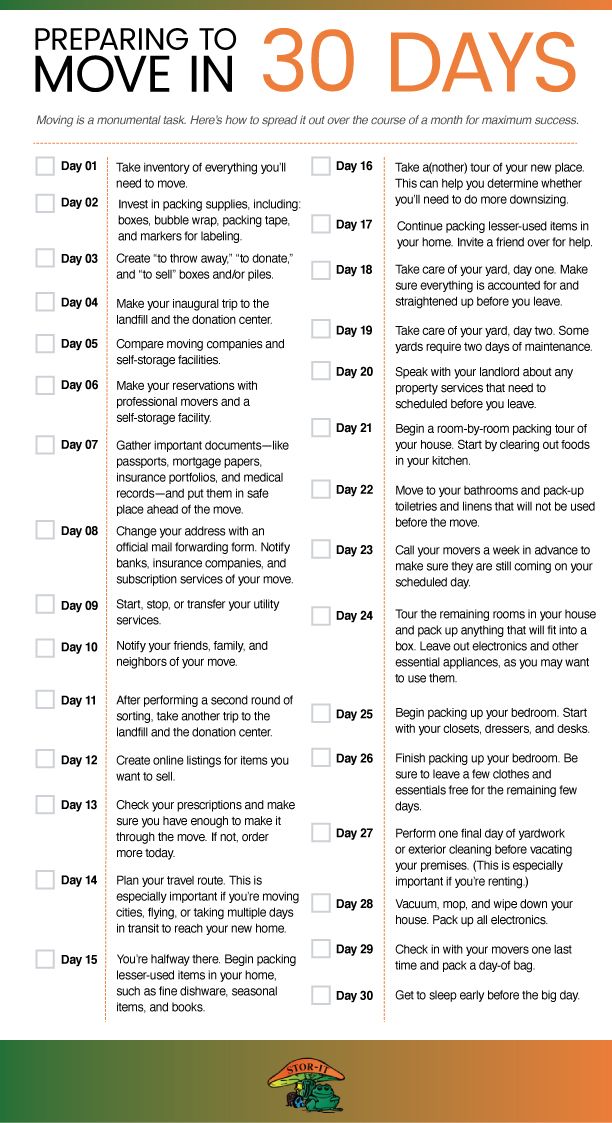
Phase 2: Maintenance and Systems Audit (Days 8–15)
Now that the house is secure, it is time to look under the hood. Preventing future disasters is the best way to save money.
1. Perform an HVAC Health Check
Your HVAC system is the heartbeat of your home. If you haven't had a professional inspection, schedule one now. At the very least, replace your HVAC filters immediately. Dirty filters reduce efficiency, drive up energy bills, and can even lead to system failure.
2. Document the Home's Condition
Taking photos of your appliances, their serial numbers, and the state of your flooring or walls is vital. If a major appliance fails within the first few months, having proof of its condition can be the difference between a warranty claim being approved or denied.
3. Check for Leaks and Pests
Inspect the areas under sinks, around toilets, and near appliances for signs of moisture. Water damage is the silent killer of home equity. Additionally, check for gaps in the foundation or around windows where pests might enter.
Phase 3: Organization and Utility Management (Days 16–22)
Settling in is about creating an environment that works for you. Efficient organization in the first month prevents long-term clutter.
1. Optimize Your Utility Setup
Ensure all utilities—electricity, gas, water, and high-speed internet—are transferred into your name. By now, you should have confirmed your trash pickup days and recycling requirements. If you haven't yet, set up auto-pay for your utilities to avoid late fees.
2. The "Essential Room" Priority
Don't try to unpack the entire house at once. Focus on the rooms you use most:
- The Kitchen: Unpack the basics—coffee maker, plates, and utensils.
- The Bedroom: Set up your bed and linens so you have a comfortable place to recharge.
- The Bathroom: Get your toiletries organized and ensure you have shower curtains and towels.
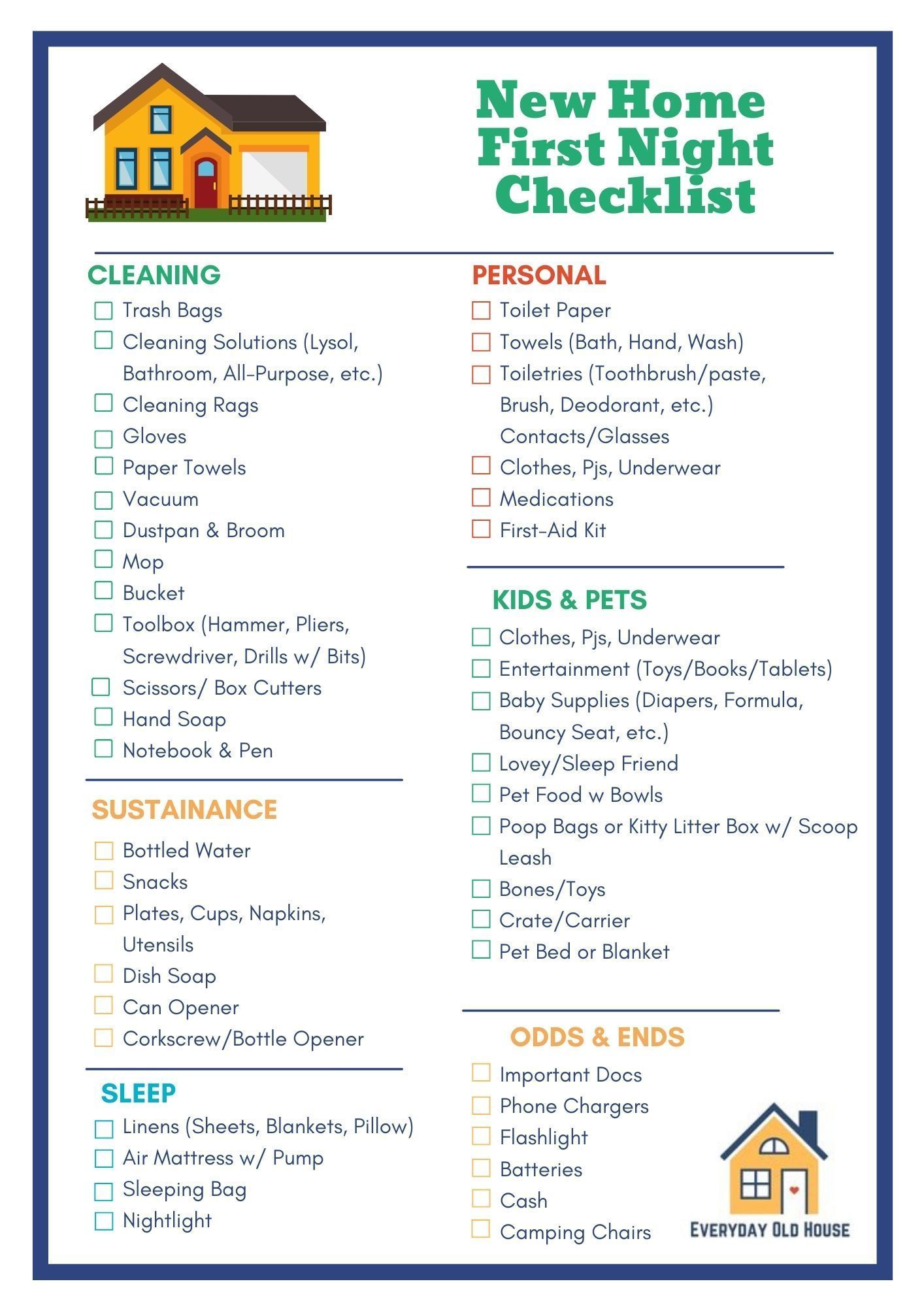
Phase 4: Settling In and Long-Term Planning (Days 23–30)
You have survived the initial move! Now, focus on the finishing touches and building your home management system.
1. Update Your Address
This is often overlooked, but vital. Update your address with your bank, employer, the post office, and insurance providers. If you have moved to a new city, research local requirements for driver's license updates and vehicle registration to avoid fines.
2. Create a Digital Home Record
Start a folder—digital or physical—for all your home-related documents. Include:
- Original inspection reports.
- Appliance manuals and warranty information.
- Receipts for any repairs or upgrades.
- Contact information for your real estate agent and local utility companies.
3. Meet the Neighbors
Building a sense of community is part of what makes a house a home. A simple introduction to neighbors can be incredibly helpful when you need recommendations for plumbers, electricians, or just a recommendation for the best local coffee shop.
Frequently Asked Questions (FAQ)
Q: Should I paint before or after unpacking?
A: It is significantly easier to paint before you move your furniture in. If you have the time during those first 30 days, tackle the walls while the rooms are empty.
Q: How do I handle minor repairs I find after moving in?
A: Create a "Home Punch List." Don't stress over every small scratch, but prioritize repairs that impact safety or could lead to further damage (like a leaky faucet).
Q: Is it really necessary to change the locks immediately?
A: Yes. Even if you trust the previous owners, you don't know who they gave spare keys to over the years. It is a small investment for your family’s safety.
Q: When should I schedule my first professional home maintenance check?
A: Ideally, aim for the end of your first month. This gives you time to identify any "quirks" or issues that you might want a professional to look at while you are still fresh in the home.
Conclusion: A New Chapter Begins
Moving into a new house is a journey, not a sprint. By following this first 30 days in a new house checklist, you are doing more than just unpacking boxes; you are protecting your largest investment and ensuring your home remains a safe, comfortable sanctuary.
Take it one day at a time, celebrate the small victories—like finally finding the perfect spot for your favorite armchair—and remember that every task you complete now is an investment in your future peace of mind. Welcome home!
References
- Finally Home — Essential Checklist for the First 30 Days in Your New Home, 2025
- MyHomePlatform — The New Homeowner's First 30 Days: Complete Checklist, 2025
- First — First-Time Homeowner Checklist: What To Do After Moving, 2026
- Thrifty Living Nest — The First 30 Days: A New Homeowner Checklist, 2026
- Home Buying Hub — Moving Into Your First House Checklist, 2026
- RelocateMeTX — Your First 30 Days in Dallas: Checklist, 2026