
Congratulations! You’ve finally secured the keys to your new home. Whether it’s a cozy starter condo or a sprawling suburban house, this is the beginning of a life-changing chapter. However, amidst the flurry of moving boxes, utility transfers, and furniture assembly, it is incredibly easy to overlook one of the most important tasks: securing your new environment.
A new home is a blank canvas, but it’s also an unfamiliar space. You don’t yet know which window latch is sticky, where the main water shut-off valve is hidden, or if the previous owners left behind any electrical gremlins. In 2026, home safety is about more than just a deadbolt; it’s about integrating smart technology, fire prevention, and structural awareness. This comprehensive guide serves as your go-to home safety checklist for new homeowners to ensure your peace of mind from day one.
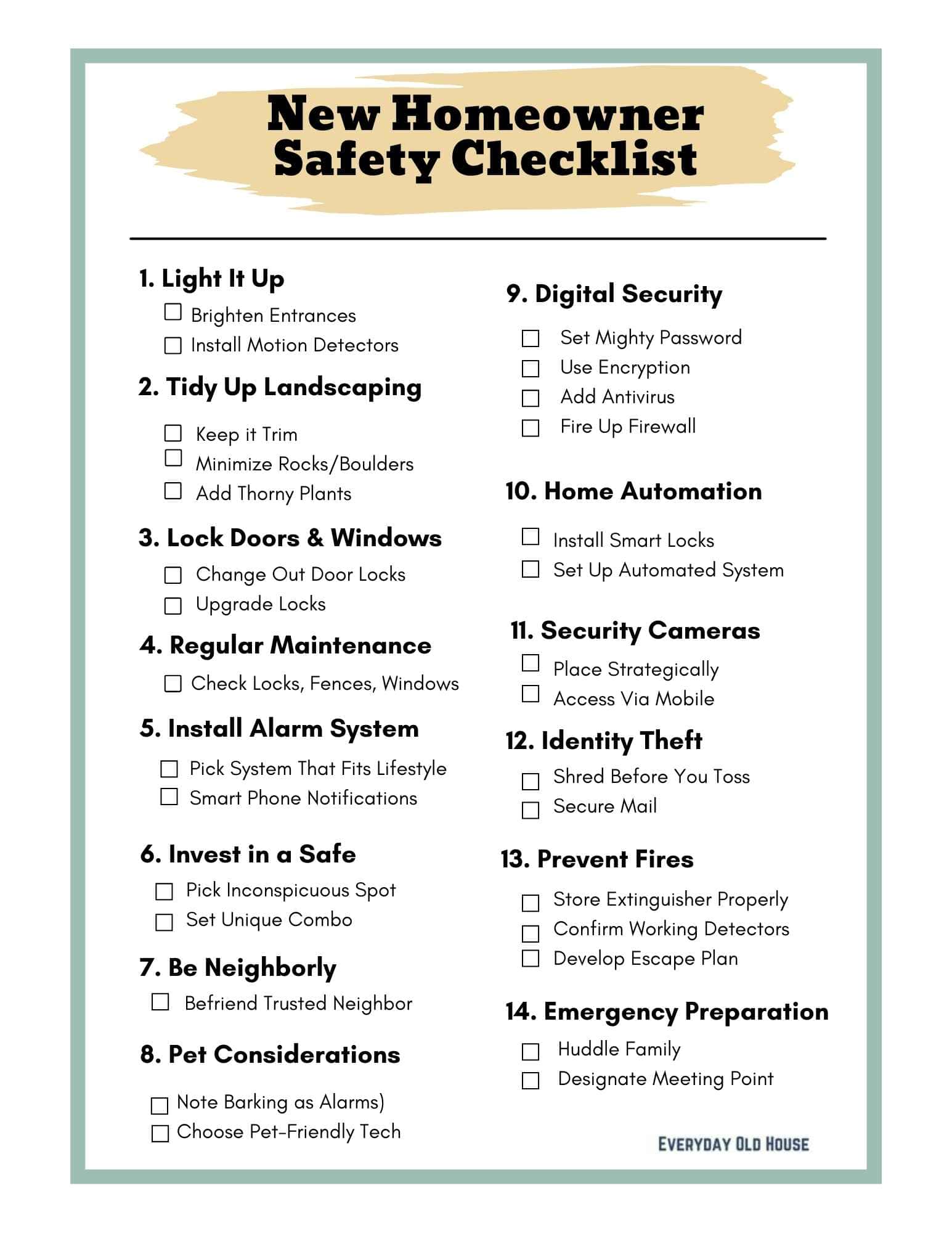
Why a Move-In Safety Audit is Non-Negotiable
You might assume the home inspection you paid for during the closing process covered everything. While a professional inspection identifies major structural issues, it rarely focuses on the granular details of daily household safety.
Statistics show that burglars often target homes that appear vulnerable, and many residential fires start due to simple, preventable maintenance oversights. By taking the time to conduct a thorough new homeowner safety inspection, you aren’t just protecting your property—you are protecting your family, your pets, and your financial investment.
1. Locks, Keys, and Perimeter Security
The first thing you should do after moving in? Change the locks. It sounds basic, but you have no idea how many spare keys are floating around in the hands of contractors, neighbors, or former tenants.
Re-keying vs. Replacing
If your doors have high-quality hardware, you may only need to re-key the cylinders. However, if your locks are outdated or show signs of wear, consider upgrading to smart locks. Modern smart locks in 2026 offer features like temporary access codes for guests, auto-locking capabilities, and integration with your home security app, allowing you to monitor entry points from anywhere in the world.
Hardening Entry Points
- Deadbolts: Ensure every exterior door has a high-quality deadbolt that extends at least one inch into the door frame.
- Strike Plates: Swap out the standard, short screws on your strike plates for 3-inch hardened steel screws. This makes it significantly harder for an intruder to kick in a door.
- Window Security: Walk every ground-floor window. If they don't lock securely, install window pins or auxiliary locks. Don't forget sliding glass doors; a simple security bar in the track is a low-cost, high-impact deterrent.
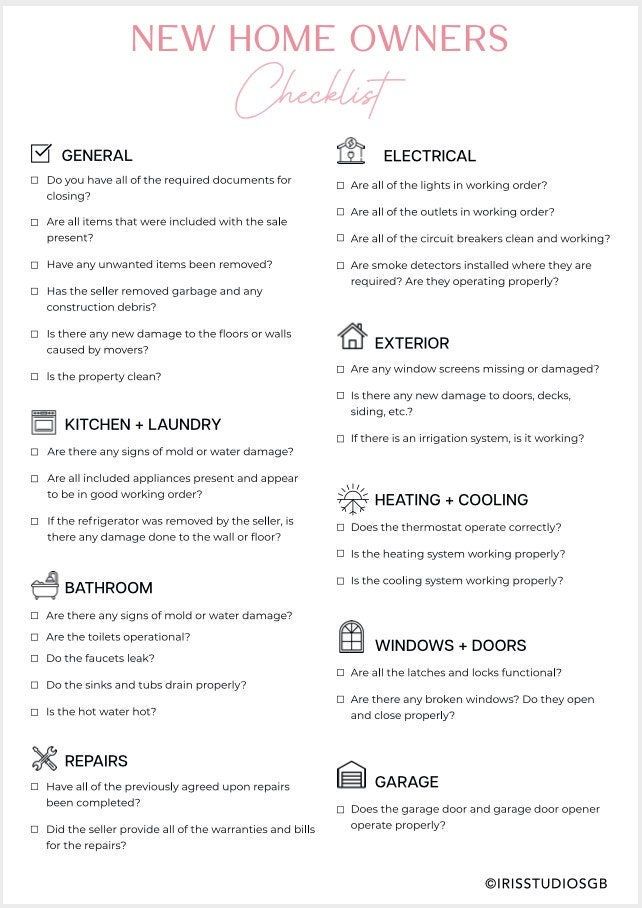
2. Fire and Carbon Monoxide Protection
Fire safety is the bedrock of a safe home. You shouldn’t just trust that the existing detectors are working; you need to verify them yourself.
The Smoke Alarm Audit
- Check the Dates: Smoke alarms have an expiration date, usually 10 years from the manufacture date. If they are older than that, replace the entire unit.
- Placement Matters: You need a detector in every bedroom, outside every sleeping area, and on every level of the home.
- Testing: Press the test button on every unit. If the sound is weak or inconsistent, replace the batteries immediately.
Carbon Monoxide (CO) Awareness
CO is colorless and odorless, making it a "silent killer." Ensure you have CO detectors on every level of your home, especially near fuel-burning appliances like furnaces, water heaters, and attached garages. In 2026, many homeowners are opting for dual-sensor detectors that monitor both smoke and carbon monoxide, simplifying your maintenance routine.
3. Electrical and Utility Safety
Electrical fires are a leading cause of home damage. As a new homeowner, you need to understand your home's "nervous system."
Identifying Potential Hazards
- Overloaded Circuits: If you notice lights flickering or breakers tripping frequently, you may be overloading your electrical system. This is common in older homes not equipped for modern power demands.
- Outlet Inspection: Check for loose outlets or scorch marks. If you have small children, install tamper-resistant outlet covers.
- The Main Shut-Off: Do you know where your main water shut-off and electrical breaker box are? You should. In an emergency, you won't have time to search for them. Clearly label your breakers—if they aren't labeled already, take the time to test each one and mark it.
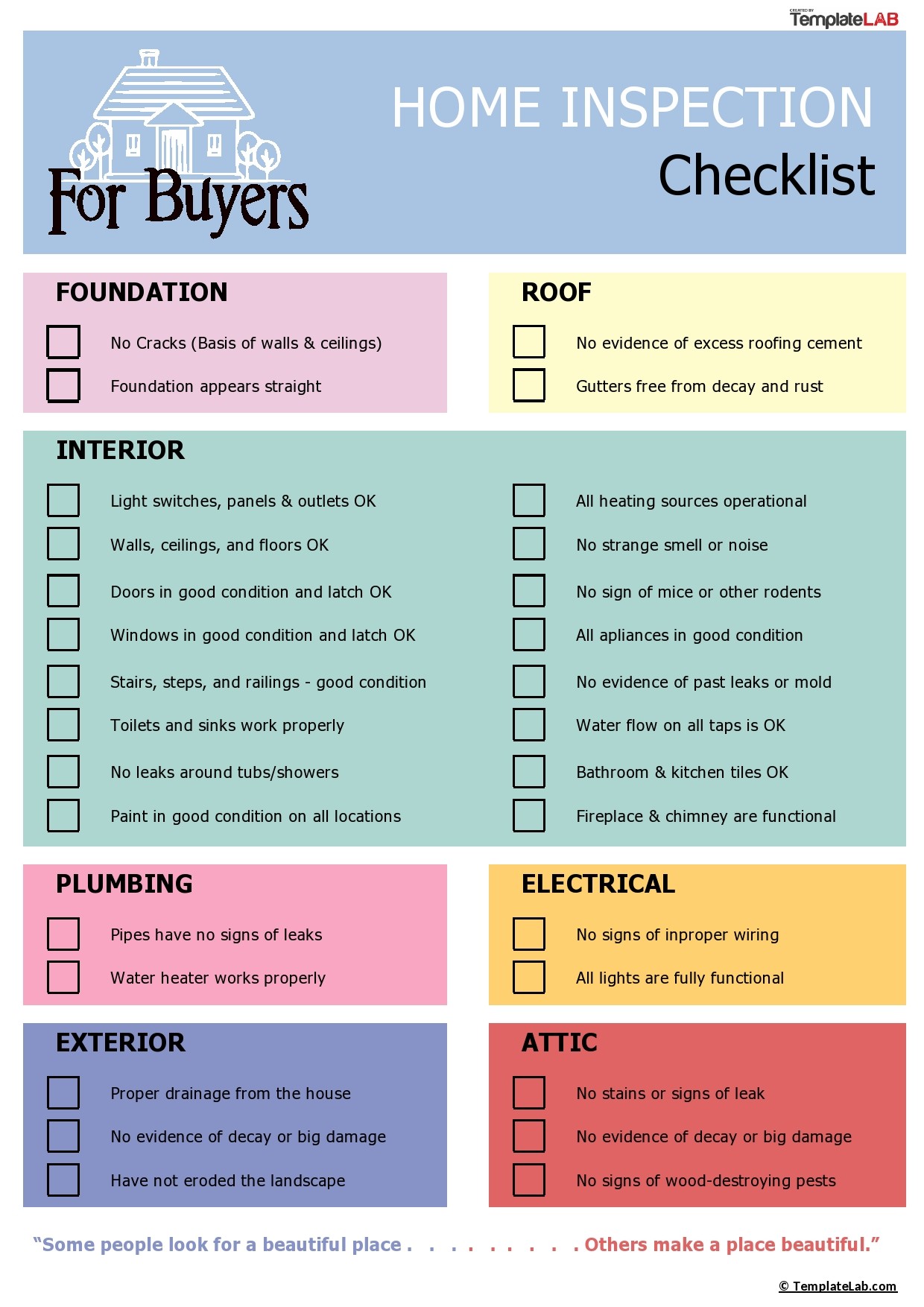
4. Outdoor and Landscaping Safety
Your home's security perimeter begins at the property line. A well-maintained yard isn't just about curb appeal; it’s about visibility and safety.
Visibility and Lighting
- Trim the Hedges: Don't provide hiding spots for intruders. Keep shrubs and trees trimmed away from windows and doors.
- Motion-Activated Lighting: Install motion sensors near driveways, side yards, and back porches. In 2026, many of these are solar-powered, making them easy to install without complex wiring.
- House Numbers: Ensure your house numbers are clearly visible from the street, even at night. In an emergency, first responders need to find you quickly.
5. Child and Pet-Proofing
If you have little ones or four-legged friends, your safety checklist needs an extra layer of scrutiny.
- Secure Furniture: Anchor bookshelves, dressers, and televisions to the wall. Furniture tip-overs are a significant, preventable hazard.
- Hazardous Materials: Move cleaning supplies, medications, and chemicals to high cabinets or install child-proof latches.
- Pet Safety: Check your fence line for gaps where a pet could escape. If you have a pool, ensure it is properly gated and that the gate latch is out of reach of small children.
6. Creating a Digital Security Routine
In 2026, "home safety" includes your digital footprint. If your home came with a smart doorbell, Wi-Fi-enabled thermostat, or smart locks, you must reset them.
- Factory Resets: Always perform a factory reset on any "smart" device left by the previous owner.
- Change Passwords: Create new, complex passwords for your home Wi-Fi network and all linked security accounts.
- Two-Factor Authentication: If your security system offers it, enable two-factor authentication (2FA) to keep your account secure from unauthorized access.
7. Emergency Preparedness Planning
Safety isn't just about preventing accidents; it’s about being ready when they happen.
- Emergency Kit: Build a basic kit containing a first-aid kit, flashlights, extra batteries, a multi-tool, and a three-day supply of water and non-perishable food.
- Escape Route: Draw a simple floor plan of your home. Identify two ways out of every room. Designate a meeting spot outside the home, such as a specific tree or mailbox, where everyone will gather in the event of a fire.
- Practice: Once you’ve developed your plan, hold a "fire drill" with your family. It sounds slightly formal, but it ensures that everyone—especially children—knows exactly what to do when the alarm sounds.
Addressing Common Concerns: Frequently Asked Questions (FAQ)
How often should I test my smoke and CO detectors?
You should test your smoke and carbon monoxide detectors at least once a month. A quick press of the "test" button ensures the siren is working and the sensor is active. Even if the units are "hardwired," they often have a battery backup that needs annual replacement.
What should I do if my home is an older build?
Older homes often have unique challenges, such as outdated electrical wiring or lead-based paint. If your home was built before 1978, it’s worth having a professional test for lead. Regarding electricity, if you have two-pronged outlets, consult an electrician about upgrading to GFCI outlets in high-moisture areas like kitchens and bathrooms.
Is a professional security system really necessary?
While DIY security systems are more advanced than ever in 2026, a professional monitoring service adds a layer of protection that DIY often lacks. If an alarm triggers, a monitoring center can contact emergency services on your behalf, even if you are away or unable to reach your phone.
How can I make my home safer without spending a fortune?
Start with the "low-hanging fruit." Rekeying locks is affordable, and 3-inch screws for your strike plates cost just a few dollars. Motion-sensor lights and basic window locks are also very budget-friendly ways to significantly increase your home’s security.
Conclusion: Take Action Today
Moving into a new home is a marathon, not a sprint. You don't have to tackle every item on this list in the first 24 hours. Prioritize life-safety items—like smoke alarms, locks, and identifying your water shut-off—first. Then, spread the remaining tasks over your first month.
By taking these steps, you are doing more than just "checking boxes." You are building a foundation of security that will allow you and your family to focus on what truly matters: making memories in your new home. Stay vigilant, keep your checklist handy, and enjoy the peace of mind that comes with a well-protected home.
Referencias
- Home Protection Basics — New Homeowner Safety Checklist, 2026
- Dwellin Journal — The Complete Safety Checklist for New Homeowners, 2026
- SafeWise — The Complete New Homeowner Safety Checklist: Room-by-Room Guide
- Everyday Old House — 14 Key Safety Tips for New Homeowners, 2025
- Keptera — Home Safety Checklist for New Homeowners, 2026
- Move-In Security Reports — Home Security for New Homeowners: 2026 Edition