
Owning a home is one of the most significant investments you will ever make. While the pride of homeownership is undeniable, the reality of maintenance can often feel overwhelming. If you wait until a pipe bursts in the middle of winter or your roof starts leaking during a spring storm, you are already behind the curve.
The secret to a stress-free home isn't a massive annual overhaul; it is about rhythm and consistency. By following a proactive seasonal home maintenance checklist, you can spread the workload throughout the year, catch minor issues before they evolve into expensive disasters, and keep your property value climbing, ensuring effective property value preservation for years to come.
Whether you are a first-time homeowner or a seasoned pro, this 2026 guide is designed to keep your home safe, efficient, and comfortable through every season. Think of this checklist as a roadmap for your home’s long-term health, a comprehensive preventative maintenance schedule.
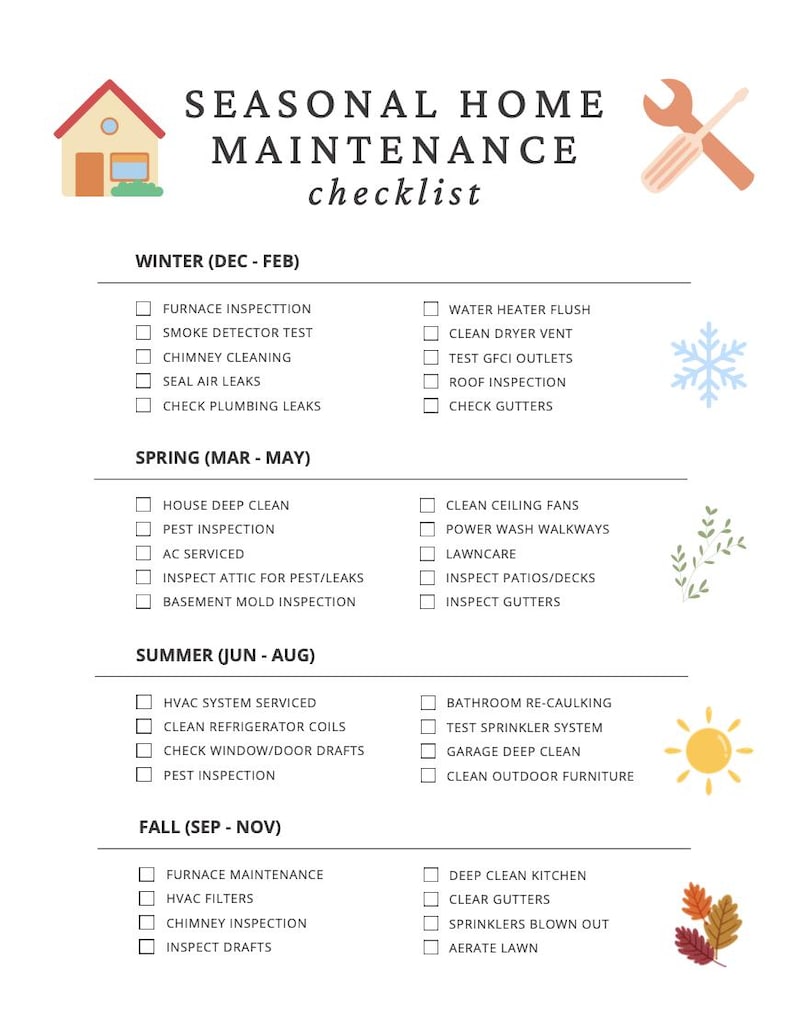
Why a Proactive Maintenance Schedule Matters
Many homeowners fall into the trap of "reactive maintenance"—fixing things only when they break. This approach is not only stressful but also significantly more expensive.
Statistics show that regular preventative care can extend the lifespan of major systems like HVAC units and roofing by up to 30%. By dedicating just a few hours each season to these tasks, you are essentially paying yourself back in saved repair costs and significant energy savings. This proactive approach also contributes to appliance longevity, extending the life of your major systems. Think of this checklist as a roadmap for your home’s long-term health.
Spring: The Season of Renewal and Inspection
Spring is arguably the most critical time for home maintenance. After a long winter, your home has likely endured freezing temperatures, heavy snow, and moisture buildup. Now is the time to wake your house up and ensure it’s ready for the warmer months ahead.
Exterior Tasks
- Roof Inspection: Grab a pair of binoculars and scan your roof from the ground. Look for loose, cracked, or missing shingles. If you see signs of damage, call a professional now before the spring rains arrive, prioritizing water damage prevention.
- Gutter Cleaning: Winter debris is the enemy of your foundation. Clear out leaves and twigs from your gutters and ensure downspouts are directed away from the house to prevent basement flooding and aid in crucial water damage prevention.
- Driveways and Walkways: Check for cracks that may have formed due to the freeze-thaw cycle. Filling these small gaps now prevents them from widening into large, hazardous fissures later, and consider a thorough foundation inspection to catch any deeper issues.
- Siding and Paint: Inspect your home's exterior for peeling paint or mold growth. A quick touch-up can seal the wood against moisture and keep your curb appeal high.
Interior Tasks
- Test Safety Devices: Spring is a great time to test smoke and carbon monoxide detectors. Change the batteries if you haven't done so in the last six months. These are vital home safety tips for every household.
- HVAC Service: Don't wait for the first heatwave. Schedule your professional AC tune-up early to ensure your system is running efficiently and your filters are clean, contributing to improved indoor air quality.
- Plumbing Checkup: Inspect under sinks and around toilets for small leaks. Even a slow drip can lead to significant mold growth if left unchecked, making regular checks essential for water damage prevention.
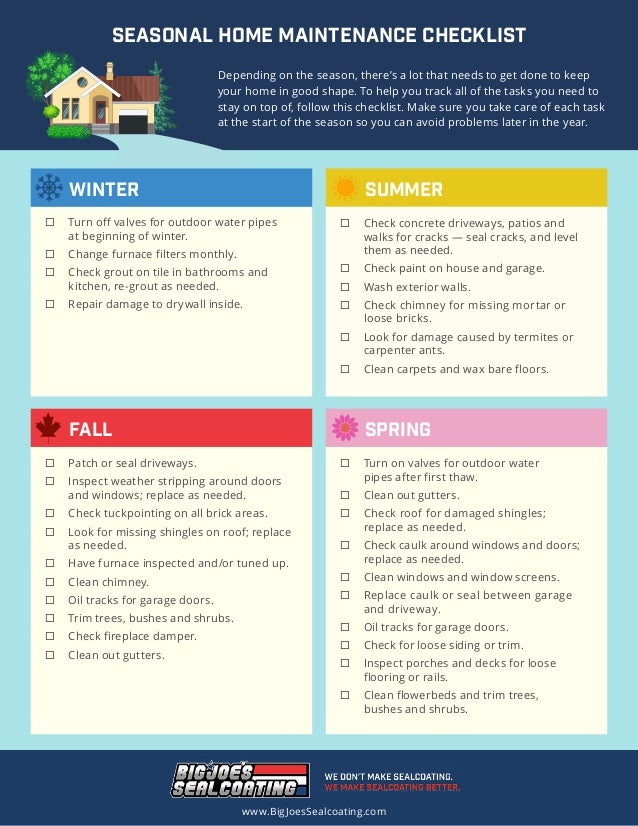
Summer: Efficiency and Outdoor Living
Once the weather warms up, focus shifts to cooling efficiency and preparing your outdoor spaces for heavy use. This is the season to maximize your home's comfort while keeping energy costs in check.
Keeping It Cool
- AC Performance: If your home feels humid or the AC is struggling to keep up, check your air intake vents. Ensure they aren't blocked by furniture or curtains, as this impacts energy efficiency and air circulation.
- Ceiling Fans: Ensure your ceiling fans are rotating in a counter-clockwise direction to create a breeze that makes rooms feel cooler.
Outdoor Upkeep
- Deck and Patio Care: Inspect your deck for loose boards or protruding nails. If it’s been a few years, consider applying a fresh coat of sealant or stain to protect the wood from UV damage and moisture.
- Lawn Equipment: Summer is hard on mowers and trimmers. Keep blades sharp to ensure a clean cut, which promotes healthier grass growth and prevents lawn stress. Many of these are simple DIY home maintenance tasks that make a big difference.
- Window Screens: Check for holes in window screens to keep pests out while allowing for natural ventilation during cool summer evenings. Implementing effective pest prevention strategies now can save headaches later.
Fall: Winterization is Key
As the leaves begin to fall, your goal is to seal your home against the coming cold. Fall maintenance is all about insulation and protecting your home's "envelope."
Preparing for the Freeze
- Gutter Maintenance (Again): This is the final cleaning of the year. Removing all fallen leaves is essential before the first frost, as clogs can lead to ice dams that cause major roof damage, a critical aspect of water damage prevention.
- Winterize Pipes: In colder climates, turn off exterior water spigots and disconnect garden hoses. If your home has a sprinkler system, ensure it is properly blown out to prevent burst pipes, another key water damage prevention measure.
- Draft Proofing: Check the weatherstripping around doors and windows. If you can see light coming through, you’re losing expensive heat. Apply new weatherstripping or caulk as needed to boost energy savings.
- Chimney Inspection: If you have a fireplace, have the chimney professionally swept and inspected before your first fire of the season. This is a crucial home safety tip.
Heating Systems
- Furnace Filter: Replace your furnace filter at the start of autumn. A clean filter improves air quality and helps your heating system run more efficiently throughout the winter, directly impacting improved indoor air quality.
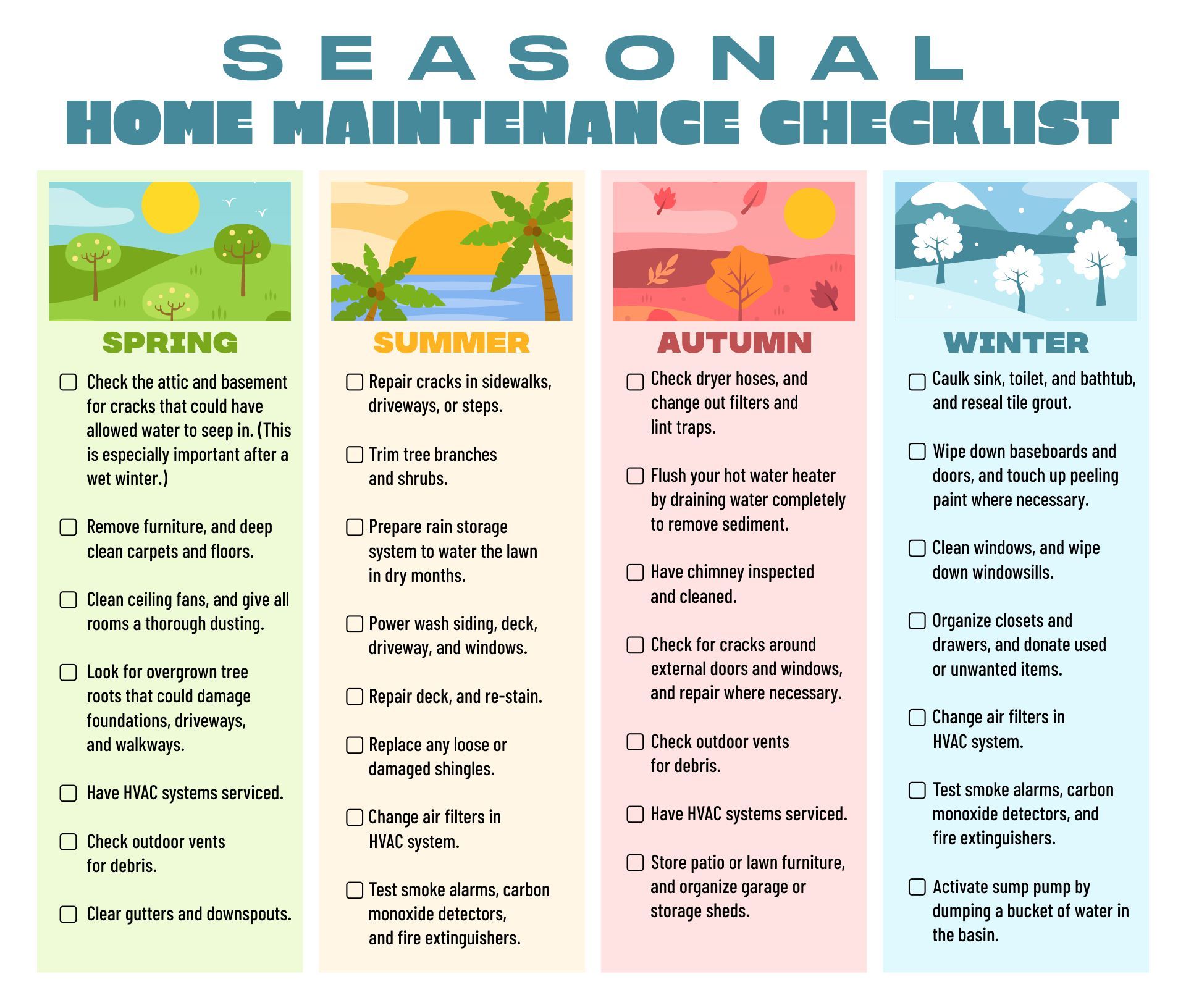
Winter: Indoor Comfort and Maintenance
Winter might seem like a time to rest, but it’s actually the perfect season to focus on indoor systems. Because you are spending more time inside, you are more likely to notice small issues that need attention.
Indoor Focus
- Monitor Humidity: Winter air is notoriously dry. Consider using a humidifier to protect your skin and keep wood floors and furniture from cracking.
- Deep Clean Appliances: It’s a great time to vacuum refrigerator coils and clean out the dryer vent. A clean dryer vent significantly reduces the risk of house fires and contributes to appliance longevity.
- Basement and Attic: Periodically check your attic and basement for signs of water intrusion. These areas are often neglected, but they are the first places where leaks appear, making them key for water damage prevention and potential foundation inspection.
- Safety Check: Since you are likely using more candles and artificial lighting, double-check that your fire extinguishers are accessible and not expired. This is an important home safety tip.
Frequently Asked Questions (FAQ)
Q: How do I know if I need a professional for these tasks?
A: If a task involves complex electrical work, major plumbing, or climbing onto a high, steep roof, it is always safer to hire a licensed professional. This checklist is meant to help you monitor your home's health, not put you in danger.
Q: What is the most important task on this list?
A: While everything is important, gutter maintenance and HVAC servicing are the two tasks that, if neglected, lead to the most expensive repairs. Keeping water away from your foundation and your heating/cooling system running smoothly pays for itself.
Q: Should I keep a log of my maintenance?
A: Absolutely! Keeping a digital or physical "home logbook" with dates and service receipts is invaluable. It helps you track the lifespan of your appliances and is a fantastic selling point if you decide to list your home in the future.
Q: How can I manage these tasks if I have a busy schedule?
A: Don't try to do everything in one weekend. Pick one or two tasks each Saturday. By breaking it into small, manageable chunks, you’ll find that maintaining your home becomes a low-stress habit rather than a daunting chore, making DIY home maintenance tasks more approachable.
Conclusion
Maintaining your home in 2026 doesn't have to be a burden. By following this seasonal home maintenance checklist, you are taking control of your living environment and protecting your largest asset. Remember, the goal is not perfection—it’s consistency. When you stay ahead of the seasons, you ensure that your home remains a safe, warm, and welcoming sanctuary for you and your family for years to come.
Referencias
- HomeGuide — The Ultimate Home Maintenance Checklist (2026)
- Living Large in a Small House — The Seasonal Home Maintenance Checklist Every Homeowner Needs, 2026
- Tidy Home Guide — Seasonal Home Maintenance Checklist: A Year-Round Guide, 2025
- Inspector Johnny — The Ultimate Seasonal Home Maintenance Checklist
- AHA — Seasonal Home Maintenance Checklist: Protecting Your Home, 2026
- Nest DC — Month-by-Month Home Maintenance Guide for 2026