
Congratulations on crossing the threshold into homeownership! Whether you have just signed the papers on a charming bungalow in the suburbs or a modern condo in the city center, the excitement of decorating and settling in is undeniable. However, as the boxes are unpacked and the furniture is arranged, a new reality sets in: the responsibility of maintaining your most significant financial asset. For first-time buyers, the sheer volume of potential tasks can feel overwhelming, leading many to adopt a "wait until it breaks" mentality. This approach is a costly mistake in the economic landscape of 2026.
In today's market, where repair costs and labor rates have stabilized at higher levels than in previous decades, proactive maintenance is not just a suggestion; it is a financial imperative. Ignoring small issues like a dripping faucet or a clogged gutter can snowball into thousands of dollars in water damage or structural repairs. The difference between a homeowner who struggles with constant emergencies and one who enjoys peace of mind often comes down to a simple, structured routine. This guide cuts through the noise to provide you with the best home maintenance tips for new homeowners, tailored specifically for the realities of 2026.
From mastering your HVAC system to understanding the nuances of seasonal exterior care, we will transform daunting responsibilities into manageable, empowering routines. By following this comprehensive checklist, you will not only protect your investment but also ensure your home remains a safe, efficient, and comfortable haven for years to come. Let's dive into the essential strategies that will turn you from a nervous new buyer into a confident property manager.
Establishing Your Financial and Strategic Foundation
Before you even pick up a wrench or a ladder, the most critical step in home maintenance is establishing a financial safety net and understanding the specific needs of your property. Many new homeowners focus entirely on the mortgage payment, forgetting that the house itself requires an annual operating budget.
Creating a Realistic Maintenance Budget
Financial experts in 2026 consistently recommend setting aside 1% to 4% of your home's total value annually for maintenance and repairs. If you purchased a home for $400,000, you should aim to save between $4,000 and $16,000 per year. This fund acts as a buffer against unexpected disasters, such as a sudden water heater failure or a roof leak during a storm.
Do not let this money sit idle in a checking account. Open a high-yield savings account specifically labeled "Home Maintenance." Treat contributions to this account with the same seriousness as your mortgage payment. When you prioritize this fund, you avoid the stress of financing emergency repairs with high-interest credit cards or personal loans. Remember, small projects like caulking windows or replacing weather stripping add up quickly, so factor in costs for tools, cleaning supplies, and minor hardware as well.
Assessing Your Home's Age and Condition
Every home has a unique personality and a specific set of vulnerabilities based on its age and construction materials. A home built in the 1920s will have different maintenance priorities compared to a smart-home-enabled build from 2024. Start by reviewing your home inspection report and deed documents to determine the age of major systems.
- Roofing: Asphalt shingles typically last 20-25 years. If your roof is approaching this age, begin budgeting for replacement immediately.
- HVAC Systems: Most furnaces and air conditioners have a lifespan of 15-20 years. Knowing the installation date helps you anticipate efficiency drops and potential failures.
- Plumbing: Older homes may have galvanized steel pipes prone to corrosion, while newer homes might utilize PEX piping which is more durable but requires different fitting techniques.
Understanding these timelines allows you to shift from reactive panic to proactive planning. If you know your water heater is 12 years old, you aren't surprised when it fails; you are prepared because you've been saving for its replacement.
Prioritizing Safety and Code Compliance
Not all maintenance tasks are created equal. When creating your priority list, always address issues that impact safety and code compliance first. This includes fixing faulty wiring, repairing loose handrails, addressing mold growth, and ensuring carbon monoxide detectors are functional. These are non-negotiable items that protect your family's well-being. Once safety is secured, move on to functional repairs that improve daily living, such as fixing a wobbly toilet or a sticking door. Cosmetic upgrades, while enjoyable, should always come last in your maintenance hierarchy.
Mastering Indoor Systems: HVAC, Plumbing, and Electrical
The heart of your home lies within its mechanical systems. These invisible workers keep your air clean, your water flowing, and your lights on. Neglecting them is the fastest way to incur massive utility bills and expensive repair bills.
HVAC Care: The Breath of Your Home
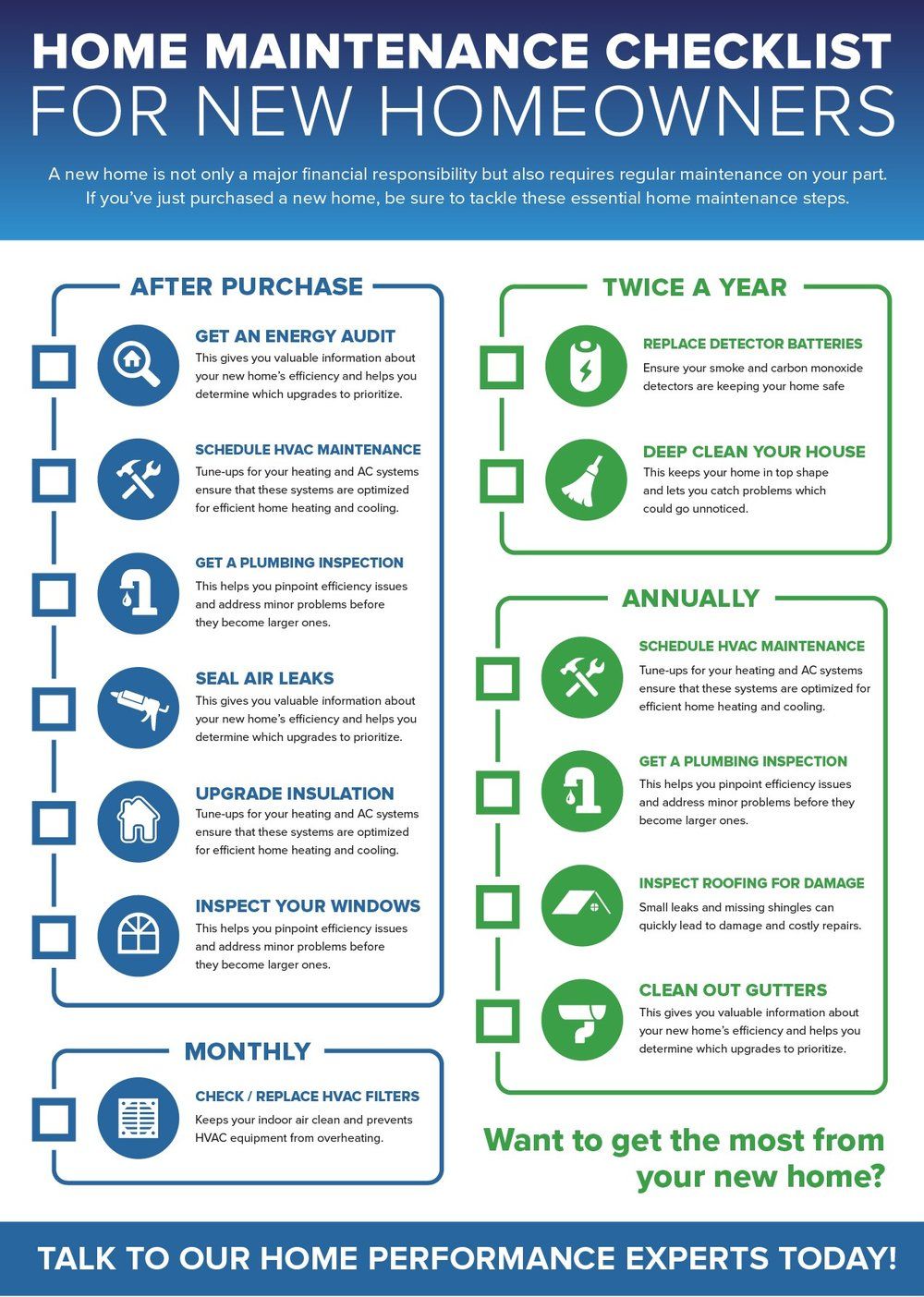
Your Heating, Ventilation, and Air Conditioning (HVAC) system is likely your largest energy consumer. In 2026, with energy efficiency standards becoming stricter and utility costs remaining a concern, maintaining this system is paramount. The single most impactful task you can perform is changing your air filters regularly.
A dirty filter forces your system to work harder, increasing energy consumption and straining the motor. Think of it as forcing a marathon runner to breathe through a straw; eventually, performance plummets.
- Frequency: Check filters every 30 days. Replace them every 90 days for standard 1-inch filters, or according to the manufacturer's guidelines for high-efficiency models.
- Benefits: Clean filters improve indoor air quality by trapping dust, pollen, and pet dander. They also extend the lifespan of your unit and keep your monthly energy bills lower.
Beyond filters, schedule a professional tune-up twice a year: once in the spring for your air conditioner and once in the fall for your furnace. A technician can check refrigerant levels, inspect electrical connections, and clean the coils, catching small issues before they become catastrophic failures. Additionally, ensure that your vents and registers are not blocked by furniture or rugs, allowing for proper airflow throughout the house.
Plumbing Prowess: Preventing Water Damage
Water is the number one enemy of a home's structure. A small leak behind a wall can cause rot, mold, and structural compromise long before you see a drip on the floor. Proactive plumbing care is essential for preserving your home's integrity.
Start by learning the location of your main water shut-off valve. In an emergency, such as a burst pipe, knowing how to instantly stop the flow of water can save you tens of thousands of dollars in damage. Test this valve periodically to ensure it turns easily and doesn't stick.
Regularly inspect visible pipes under sinks, around toilets, and near the water heater for signs of moisture, corrosion, or mineral buildup.
- Drain Care: Avoid pouring grease, coffee grounds, or harsh chemicals down your drains. Use drain strainers in showers and sinks to catch hair and debris.
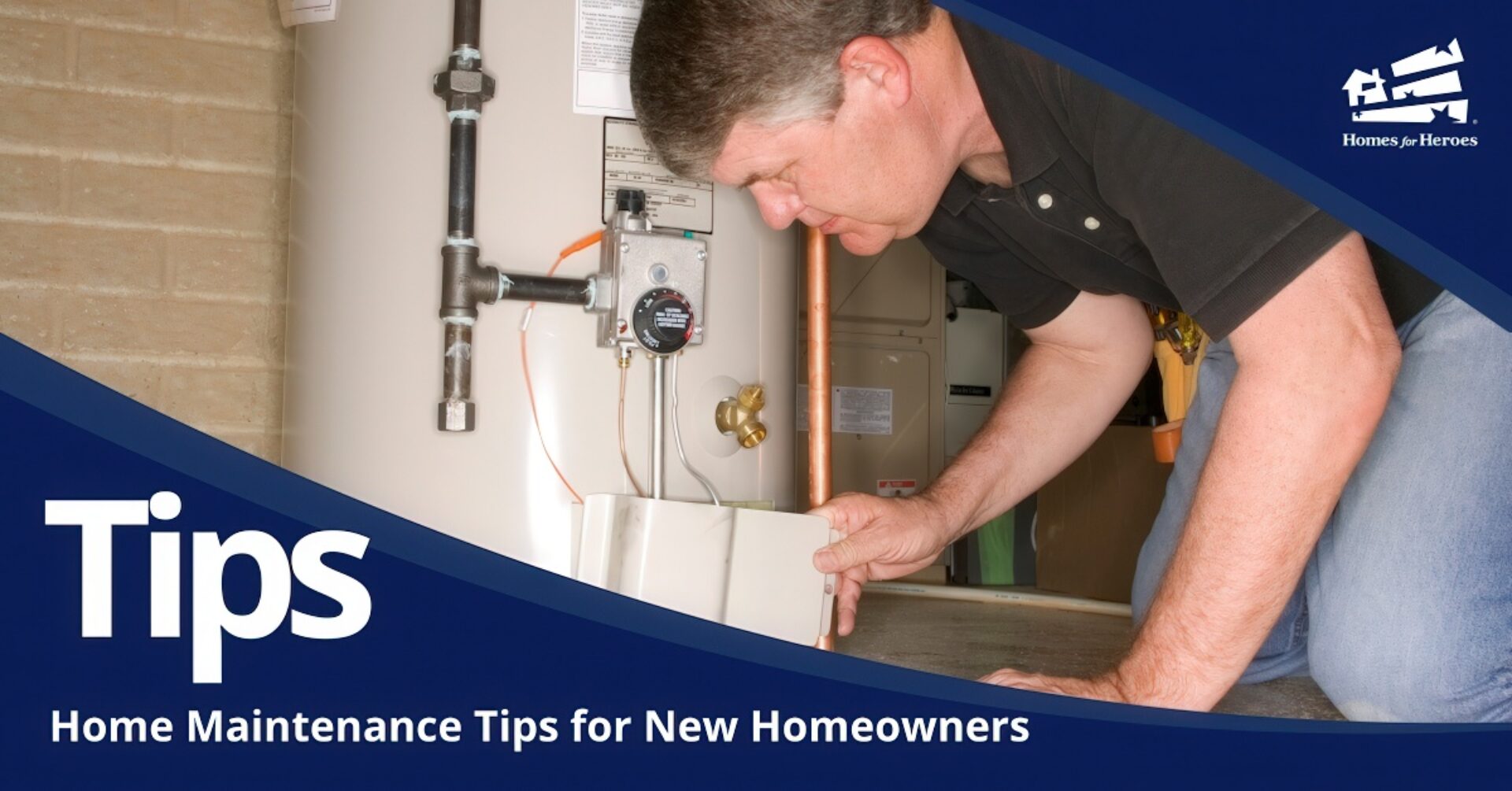
- Water Heater Maintenance: Drain a few gallons from your water heater tank annually to remove sediment buildup. This improves heating efficiency and extends the life of the tank.
- Toilet Checks: Listen for running toilets, which can waste hundreds of gallons of water a month. A simple flapper replacement often solves this issue.
If you notice low water pressure or discolored water, these could be signs of deeper pipe issues that require professional assessment. Addressing minor clogs with a plunger or a handheld auger can save you the cost of an emergency plumber call, but know your limits. If a problem persists, call a professional immediately.
Electrical Safety: Powering Your Home Securely
Electrical systems are generally low-maintenance but high-risk if neglected. Faulty wiring is a leading cause of home fires. As a new homeowner, your first electrical task should be to test all your smoke detectors and carbon monoxide alarms. Replace batteries annually, or upgrade to hardwired units with battery backups if your home still uses older models.
Walk through your home and inspect outlets and switches. Look for signs of scorching, buzzing sounds, or warmth to the touch, which indicate dangerous wiring issues. Replace any frayed cords on appliances immediately and avoid overloading circuits with too many high-wattage devices. If your home was built before the 1980s, consider having an electrician evaluate whether your panel can handle modern loads, especially if you plan to add electric vehicle chargers or smart home hubs.
Exterior Defense: Roofing, Gutters, and Landscaping
While the interior systems keep you comfortable, the exterior of your home is your first line of defense against the elements. In 2026, with climate patterns becoming increasingly unpredictable, a robust exterior maintenance routine is more important than ever.
Roof and Gutter Management
Your roof protects everything underneath it. Regular inspections are crucial, ideally performed in the spring and fall. You don't necessarily need to climb onto the roof yourself; binoculars from the ground can reveal missing shingles, curling edges, or moss growth. If you see granules from asphalt shingles accumulating in your gutters, it may be a sign that your roof is nearing the end of its life.
Gutter maintenance is arguably the most overlooked yet critical task for new homeowners. Clogged gutters cause water to overflow, seeping into your roof deck, siding, and foundation.
- Cleaning Schedule: Clean your gutters at least twice a year—once after the leaves drop in autumn and again after spring blooms. If you have many overhanging trees, you may need to do this quarterly.
- Downspouts: Ensure downspouts direct water at least five to ten feet away from your foundation. Use extensions or splash blocks to prevent soil erosion and basement flooding.
- Inspection: Check for sagging sections, rust, or holes. Seal small leaks with gutter sealant and tighten loose hangers.
Ignoring gutters can lead to devastating water damage that compromises the structural integrity of your entire home ecosystem. It is a small investment of time that yields massive returns in protection.
Landscaping and Foundation Protection
Your landscaping does more than look pretty; it plays a vital role in managing water drainage around your home. Ensure that the soil around your foundation slopes away from the house. If the ground slopes toward your home, water will pool against the foundation, leading to cracks and basement leaks.
Trim trees and shrubs regularly to keep branches from rubbing against your siding or roof. Overgrown vegetation can trap moisture against the exterior walls, promoting mold and rot, and can also provide a highway for pests to enter your attic. In the winter months, be mindful of heavy snow accumulation on bushes near the house, as melting snow can saturate the foundation area.
Sealing the Envelope
Energy efficiency in 2026 is about sealing your home against the elements. Inspect your windows and doors for drafts. Apply fresh caulk around window frames and replace worn weather stripping on doors. This simple task keeps conditioned air inside and prevents drafts, significantly lowering your heating and cooling costs. Check your attic insulation as well; adequate insulation is key to maintaining consistent temperatures and preventing ice dams in the winter.
Seasonal Strategies and Smart Technology Integration
Modern homeownership in 2026 blends traditional seasonal chores with cutting-edge technology. By aligning your maintenance schedule with the seasons and leveraging smart devices, you can streamline your efforts and gain valuable insights into your home's health.
The Seasonal Maintenance Calendar
Dividing your tasks by season ensures comprehensive coverage without burnout.
- Spring: Focus on outdoor cleanup. Clear winter debris, inspect the roof for winter damage, service the AC unit, and test irrigation systems. It is also the perfect time to deep clean carpets and wash windows to let the light in.
- Summer: Tackle exterior painting or staining while the weather is dry. Check the driveway and walkways for cracks and seal them. Monitor your lawn and garden for pests. This is also a good time to clean the dryer vent thoroughly to reduce fire risk during hot, dry months.
- Fall: Prepare for winter. Clean gutters one last time, disconnect and store garden hoses, insulate exposed pipes, and service the furnace. Check your chimney if you have a fireplace. Seal any gaps in the exterior to keep rodents out as they seek warmth.
- Winter: Focus on interior maintenance. Change air filters frequently due to increased heating usage. Monitor for ice dams on the roof. Keep walkways clear of snow and ice to prevent slip hazards. Use this time to organize your garage and basement.
Leveraging Smart Home Technology
In 2026, smart home devices are no longer luxuries; they are essential maintenance tools. Installing a smart thermostat allows you to monitor your HVAC usage and detect irregularities in heating or cooling cycles. Smart water leak detectors placed near water heaters, washing machines, and under sinks can alert you to moisture via your smartphone the second a leak starts, allowing you to shut off the water remotely before disaster strikes.
Smart security cameras and video doorbells not only provide safety but also allow you to visually inspect your exterior for issues like package theft or suspicious activity while you are away. Integrating these technologies creates a proactive maintenance ecosystem that works for you 24/7, providing peace of mind and data-driven insights into your home's performance.
Appliance Care and Longevity
Your major appliances represent a significant investment. Extending their life saves you money and reduces waste.
- Refrigerator: Vacuum the condenser coils located at the back or bottom of the unit every six to twelve months. Dirty coils force the compressor to work harder, increasing electricity usage and shortening the appliance's life.
- Dryer: Clean the lint trap after every load, but also vacuum the vent hose and clean the exterior vent flap annually. A clogged dryer vent is a major fire hazard and drastically reduces drying efficiency.
- Dishwasher: Run a cleaning cycle with vinegar or a specialized cleaner monthly to remove grease and mineral buildup. Check the filter at the bottom of the tub and clean it regularly to ensure proper drainage.
By treating your appliances with care, you delay the need for costly replacements and ensure they operate at peak efficiency.
Frequently Asked Questions About Home Maintenance
Q: How much should I realistically spend on home maintenance each year?
A: A general rule of thumb is to budget 1% to 4% of your home's purchase price annually. For a $300,000 home, this means setting aside $3,000 to $12,000 per year. The exact amount depends on the age of the home, the local climate, and the condition of major systems. Older homes typically require a higher percentage of the budget for repairs.
Q: What is the very first thing I should do when I move into a new home?
A: The absolute first priority is changing the locks on all exterior doors and reprogramming your garage door opener. You never know who has copies of the old keys. Immediately after that, locate your main water shut-off valve and test your smoke and carbon monoxide detectors.
Q: Can I do all home maintenance myself, or do I need to hire professionals?
A: Many tasks, such as changing air filters, cleaning gutters, and testing detectors, are excellent DIY projects. However, complex issues involving electrical wiring, gas lines, structural repairs, or major HVAC components should always be handled by licensed professionals. Attempting these without proper training can void warranties, violate building codes, and create serious safety hazards.
Q: How often should I have my roof inspected?
A: It is recommended to have your roof inspected professionally at least once every two to three years, or immediately after any severe weather event like a hailstorm or hurricane. Regular visual checks from the ground should be done seasonally to look for missing shingles or debris buildup.
Q: Why is my energy bill so high even though I haven't changed my habits?
A: High energy bills are often a sign of maintenance issues. Common culprits include a dirty HVAC filter, leaking ductwork, poor insulation, or drafty windows. Conduct an energy audit or simply check these areas first. Upgrading to a smart thermostat can also help identify inefficiencies in your heating and cooling cycles.
Conclusion: Building a Legacy of Care
Owning a home is a journey of continuous learning and stewardship. While the list of maintenance tasks may seem long at first, integrating these habits into your routine transforms them from burdens into empowering actions. By adhering to the best home maintenance tips for new homeowners outlined in this guide, you are doing more than just fixing things; you are actively protecting your financial future and ensuring the safety and comfort of your family.
Remember, the goal is not perfection but consistency. A little attention paid to your HVAC system, a quick check of the gutters, and a disciplined savings plan can prevent the vast majority of homeowner nightmares. As you navigate your first year and beyond, let this guide be your compass. Embrace the responsibility, leverage the tools available to you in 2026, and take pride in nurturing your investment. Your home is your sanctuary, and with the right care, it will serve you faithfully for generations to come. Welcome to the rewarding world of confident homeownership.
References
- Family Handyman — The Ultimate Home Maintenance Checklist for New Homeowners, 2025
- HomeAlliance — 10 Essential Maintenance Tips for First-Time Homeowners, 2026
- Tidy Home Guide — Mastering Home Maintenance for New Owners: A Step-by-Step Guide, 2026
- Budget Dumpster — 11 Must-Know Tips for First-Time Homeowners, 2024
- Dallas Area Habitat for Humanity — 4 Key Home Maintenance Tips for New Homeowners, N.D.
- Nest DC — Month-by-Month Home Maintenance Guide for 2026, 2026
- HomeGuide — The Ultimate Home Maintenance Checklist (2026), 2026
- Handyman Connection — 2026 Home Maintenance Checklist: Stop Small Problems Before They Start, 2026