
The concept of a "smart home" has evolved dramatically from the early days of simple timers and basic Wi-Fi bulbs. By 2026, the definition has shifted from mere connectivity to true intelligence. Today's smart homes are proactive ecosystems that anticipate your needs, optimize energy consumption with surgical precision, and provide security layers that were once reserved for high-tech corporate facilities. Whether you are a homeowner in San Francisco looking to increase property value or a family in Austin seeking better climate control, integrating the right technology is no longer a luxury—it is a strategic investment.
The market in 2026 is defined by interoperability. The fragmentation of the past, where devices fought against each other across different ecosystems, has largely been resolved by the widespread adoption of Matter and Thread protocols. This means that whether you prefer Apple HomeKit, Google Home, or Amazon Alexa, your devices now speak a universal language. However, with thousands of gadgets available, knowing which features offer genuine utility versus fleeting novelty is crucial. This guide dives deep into the most impactful smart home features worth adding to your house this year, focusing on ROI, convenience, and future-proofing your living space.
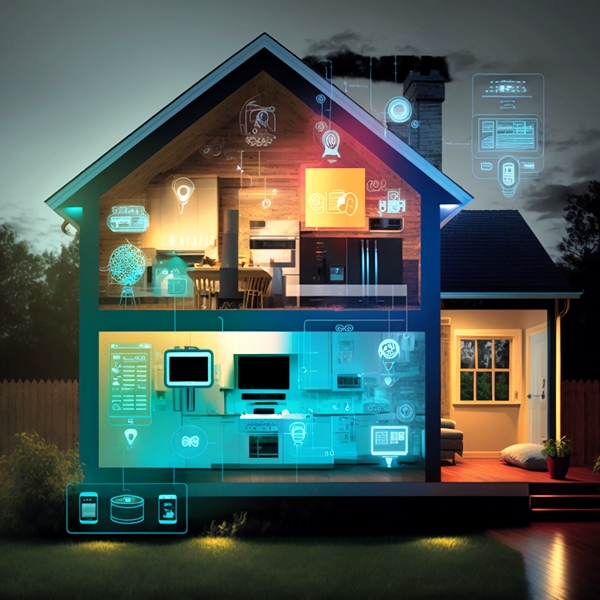
The Foundation: Infrastructure and Connectivity Before Gadgets
Before purchasing a single smart bulb or camera, the most critical step in 2026 is establishing a robust infrastructure. Many homeowners make the mistake of buying premium devices only to suffer from laggy connections and dropped automations due to poor networking. A truly intelligent home requires a backbone capable of handling dozens, if not hundreds, of connected endpoints simultaneously.
Structured Wiring and Cat6 Ethernet
While wireless technology has improved immensely, structured wiring remains the gold standard for reliability. During a remodel or new construction, running Cat6 Ethernet cables to key locations—such as the media center, office, security panel, and ceiling access points for Wi-Fi—is non-negotiable. According to industry experts, pre-wiring during a remodel can save 60-70% compared to retrofitting after drywall is installed.
Ethernet provides a dedicated, interference-free lane for data. In 2026, this is particularly vital for high-bandwidth applications like 8K security cameras, multi-room audio streaming, and VR entertainment systems. Relying solely on Wi-Fi for critical infrastructure can lead to bottlenecks when multiple family members are streaming, gaming, and working from home simultaneously.
The Rise of Thread and Matter Compatibility
The second pillar of a modern smart home foundation is the network protocol. In previous years, Zigbee and Z-Wave were popular but often required specific hubs. In 2026, Thread has become the dominant low-power mesh networking protocol, working seamlessly alongside Wi-Fi. Devices using Thread create a self-healing mesh network; if one device goes offline, the signal routes through another, ensuring your smart locks and sensors stay online even if your router restarts.
Coupled with Thread is Matter, the universal connectivity standard. When selecting devices, the "Matter-certified" logo is the safest bet for longevity. It ensures that a smart plug bought today will work with your hub ten years from now, regardless of whether you switch from an Android phone to an iPhone or change your voice assistant ecosystem. This cross-platform compatibility eliminates the fear of vendor lock-in, making your investment secure against future market shifts.
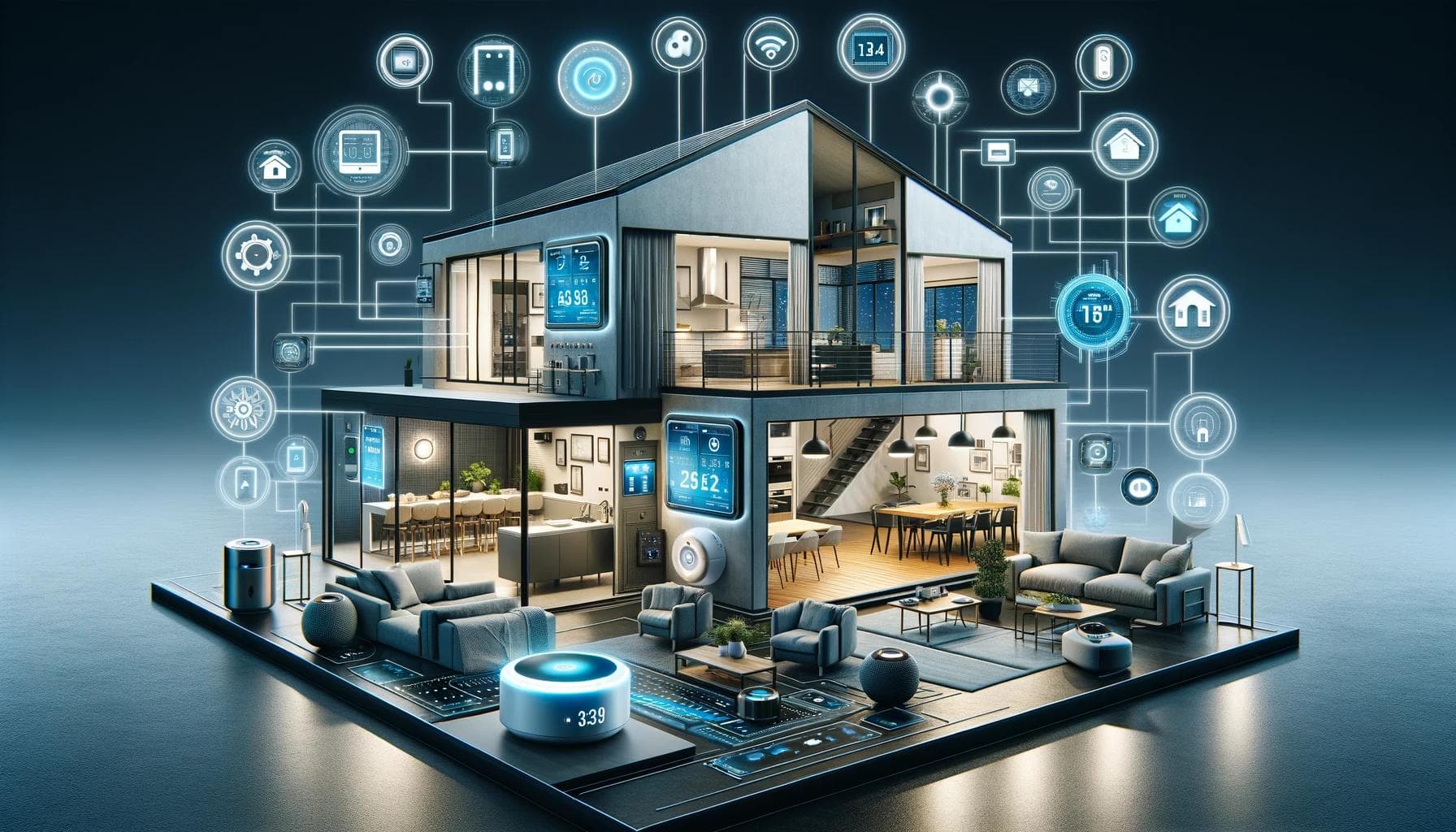
Intelligent Climate Control and Energy Efficiency
Energy costs have remained a primary concern for homeowners globally, and in 2026, smart climate control is the most effective tool for managing utility bills while enhancing comfort. Modern systems go far beyond simple scheduling; they utilize AI to learn behavioral patterns and adjust in real-time based on occupancy, weather forecasts, and even local grid pricing.
AI-Driven Smart Thermostats
The smart thermostat of 2026 is a predictive engine. Unlike older models that simply followed a set schedule, current units use machine learning algorithms to understand when you typically leave for work, when you return, and how long it takes to heat or cool specific zones of your house. They integrate with local weather APIs to pre-cool your home before a heatwave hits or reduce heating output during sunny afternoons when solar gain is high.
For residents in areas with extreme temperature fluctuations, such as Denver or Phoenix, these devices can deliver energy savings of 15-25%, often paying for themselves within two to three years. Advanced models now support zone control, allowing you to heat the living room while keeping the bedrooms cooler at night, optimizing comfort without wasting energy on unoccupied spaces.
Whole-House Fans and Smart Vents
A unique trend gaining traction in 2026 is the integration of smart whole-house fans with traditional HVAC systems. Instead of relying solely on energy-intensive air conditioning, these systems automatically draw in cool evening air to flush out hot daytime air, significantly reducing the load on your compressor. When paired with smart vents, which can open or close individual room registers based on occupancy sensors, the efficiency gains are substantial.
These systems can be programmed to activate only when outdoor temperatures are lower than indoor temperatures, a logic that is handled automatically by the central hub. This not only lowers electricity bills but also extends the lifespan of your primary HVAC equipment by reducing its runtime. For eco-conscious homeowners, this hybrid approach represents the pinnacle of sustainable living.
Real-Time Energy Monitoring
You cannot manage what you do not measure. Smart energy monitors installed at the main electrical panel provide granular visibility into your home's power consumption. These devices break down usage by circuit, allowing you to identify "energy vampires"—appliances that drain power even when turned off. In 2026, these monitors integrate directly with utility company programs, enabling dynamic load shifting. If electricity rates spike during peak hours, your smart home can automatically delay running the dishwasher or charging your EV until rates drop, maximizing cost efficiency without user intervention.
Next-Generation Security and Access Control
Security remains the top driver for smart home adoption. However, the technology has matured from simple motion alerts to comprehensive, AI-powered surveillance and access management systems that distinguish between genuine threats and false alarms with remarkable accuracy.
AI-Enhanced Video Doorbells and Cameras
Modern video doorbells and security cameras in 2026 utilize on-device artificial intelligence to analyze video feeds in real-time. They can differentiate between a human, a delivery vehicle, a stray cat, or swaying tree branches. This drastic reduction in false alarms means you only receive notifications that matter. Features like package detection alert you specifically when a delivery is made or if a package is removed from your porch, addressing the growing issue of parcel theft.
Furthermore, many systems now offer local storage options alongside cloud subscriptions, giving homeowners greater control over their privacy and eliminating monthly fees for basic recording. High-definition night vision has also improved, providing color footage even in near-total darkness, ensuring that every detail is captured regardless of the time of day.
Smart Locks with Biometric and Geofencing Integration
The days of fumbling for keys or hiding spares under doormats are over. Smart locks in 2026 offer multiple entry methods, including fingerprint scanners, facial recognition, and temporary digital codes for guests or service providers. The integration of geofencing technology adds a layer of seamless automation; as your smartphone approaches the house, the front door can automatically unlock for you, and the alarm system disarms. Conversely, when the last family member leaves the geofenced area, the doors lock, and the security system engages automatically.
For added peace of mind, these locks provide detailed activity logs, showing exactly who entered and when. This is particularly useful for monitoring children arriving home from school or verifying that cleaning services arrive and depart within scheduled windows. In emergency situations, first responders can be granted temporary remote access, potentially saving critical minutes during a crisis.
Integrated Environmental Sensors
Security in 2026 extends beyond intruders to include environmental hazards. Smart water leak detectors placed near washing machines, water heaters, and under sinks can detect moisture instantly. Upon detection, they can trigger an automatic shut-off valve to stop the water flow, preventing catastrophic flooding and tens of thousands of dollars in damage. Similarly, smart smoke and carbon monoxide detectors not only sound an alarm but also send push notifications to your phone and can integrate with smart lights to flash red, guiding occupants to safety in smoky conditions.
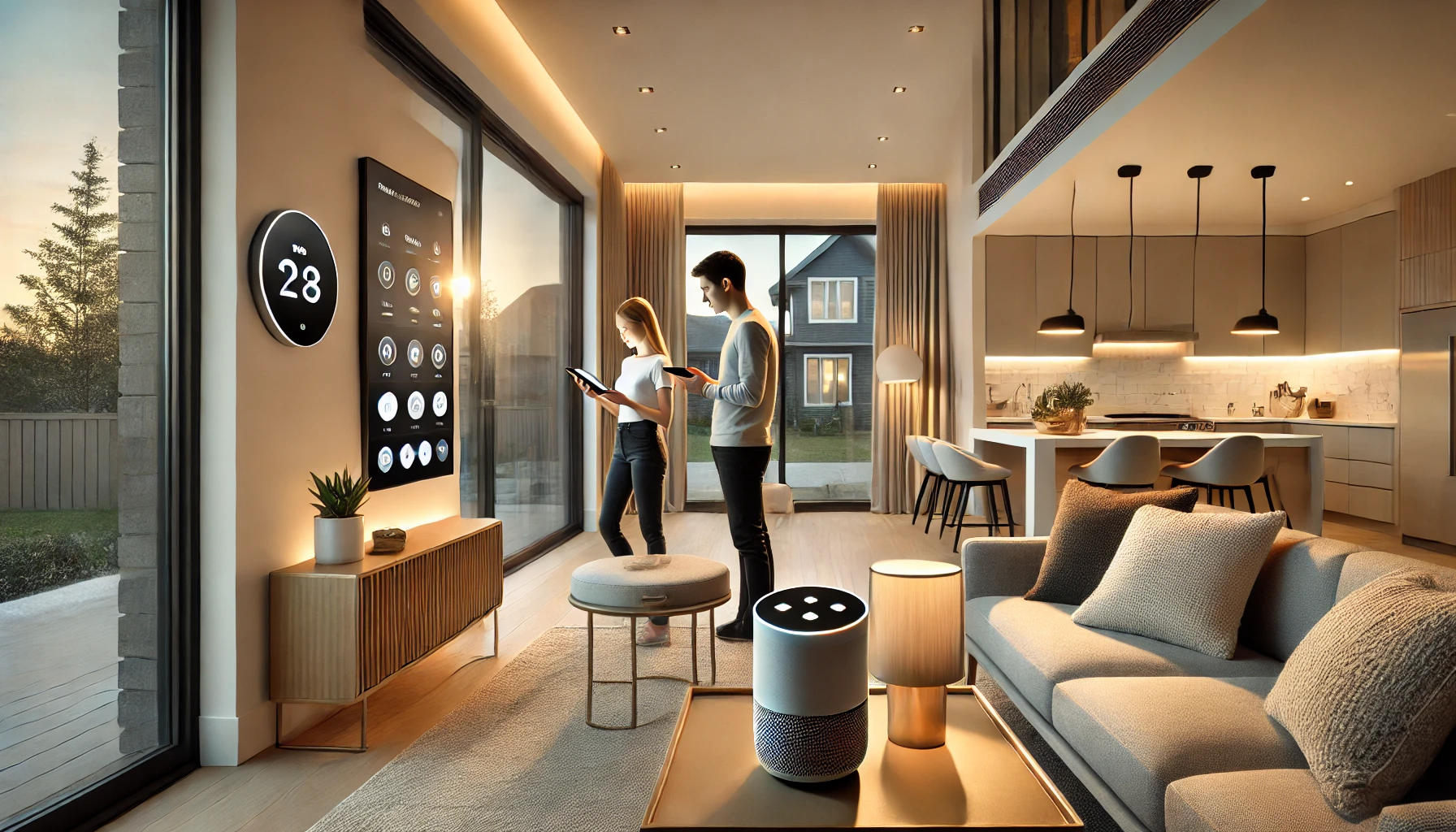
Automated Lighting and Window Treatments for Comfort and Wellness
Lighting plays a pivotal role in setting the mood, improving productivity, and regulating circadian rhythms. In 2026, lighting automation has moved beyond simple on/off switches to sophisticated scenes that adapt to the time of day and your biological needs.
Circadian Rhythm Lighting
Circadian lighting systems mimic the natural progression of sunlight throughout the day. In the morning, the lights emit a cooler, brighter blue-white spectrum to help wake you up and boost alertness. As evening approaches, the system gradually shifts to warmer, dimmer amber tones to promote melatonin production and prepare your body for sleep. This feature is invaluable for improving sleep quality and overall wellness, especially for those who spend significant time indoors.
These systems are often hardwired into the home's electrical infrastructure during remodeling, using smart switches that allow manual override while maintaining automation capabilities. This ensures that even if the network goes down, the lights remain functional, adhering to safety codes while providing smart features when connected.
Motorized Window Shades and Blinds
Automated window treatments are one of the most impactful yet underutilized smart home features. Motorized shades can be programmed to open at sunrise to gently wake you with natural light and close during the hottest part of the day to block solar heat gain, reducing the load on your air conditioner. In winter, they can open to capture passive solar heat and close at night to add an extra layer of insulation.
Integration with voice assistants allows for effortless control, such as saying "Goodnight" to close all shades and lock all doors simultaneously. For homes with high or hard-to-reach windows, this feature adds a level of convenience and safety that manual operation simply cannot match. Additionally, these shades enhance privacy and security by simulating occupancy when you are away, deterring potential burglars.
The Connected Kitchen and Smart Appliances
The kitchen is increasingly becoming the command center of the smart home. In 2026, appliances are not just tools for cooking; they are interconnected assistants that streamline meal preparation, inventory management, and energy usage.
Smart Refrigerators and Inventory Management
Modern smart refrigerators come equipped with internal cameras that allow you to view the contents of your fridge from your smartphone while at the grocery store. Advanced models use image recognition to track expiration dates and suggest recipes based on available ingredients. Some can even automatically reorder staples like milk or eggs when supplies run low, integrating directly with local delivery services.
Beyond convenience, these appliances contribute to waste reduction by alerting you to food that is about to spoil. Energy-efficient modes ensure that the compressor runs during off-peak hours when possible, contributing to overall household energy savings.
Voice-Controlled Cooking and Safety
Smart ovens and ranges now offer precise temperature control via smartphone apps, allowing you to preheat the oven on your way home or monitor cooking progress remotely. Voice-controlled assistants integrated into kitchen displays can provide step-by-step recipe instructions, set multiple timers simultaneously, and convert measurements on the fly, keeping your hands free for food prep.
Safety features have also been enhanced. Smart stoves can detect if a burner has been left on unintentionally and shut it off automatically or send an alert to your phone. Smoke detectors in the kitchen can communicate with the range hood to increase fan speed automatically upon detecting smoke, helping to clear the air before an alarm is even triggered.
Future-Proofing Your Investment: What Buyers Want in 2026
As the real estate market evolves, smart home features have transitioned from "nice-to-have" amenities to essential selling points. Real estate professionals report that homes equipped with verified, integrated smart systems often sell faster and at higher price points than comparable non-smart homes.
The Importance of Professional Installation and Documentation
While DIY installations are popular, professionally installed systems carry more weight with buyers. A documented system with labeled wiring diagrams, user manuals, and transferable warranties assures potential buyers that the technology is reliable and supported. In markets like the Bay Area or New York City, where tech-savvy buyers are prevalent, the absence of a structured smart home infrastructure can actually be seen as a deficit.
Avoiding Obsolescence
To ensure your investment remains valuable, focus on systems that are software-upgradable and adhere to open standards like Matter. Proprietary systems that require specific, discontinued hubs pose a risk of obsolescence. By choosing flexible platforms and avoiding overly niche brands, you ensure that your home remains attractive to future buyers who may have different technology preferences.
The Role of EV Charging
With the continued rise of electric vehicles, a Level 2 EV charger installed in the garage is rapidly becoming a mandatory feature for many homebuyers. Smart chargers that can schedule charging during off-peak hours and integrate with home solar systems add significant value. They demonstrate a forward-thinking approach to transportation and energy independence, appealing to a growing demographic of environmentally conscious buyers.
Frequently Asked Questions About Smart Homes in 2026
Q: Is it too late to add smart features to an existing home without major renovations?
A: Not at all. While pre-wiring during a remodel offers cost savings of 60-70%, many smart devices in 2026 are designed for easy retrofitting. Wireless sensors, battery-operated smart locks, and plug-in smart plugs require no construction. For lighting, smart bulbs and wireless switches can replace existing fixtures without rewiring, though hardwired smart switches offer a more polished look and don't rely on bulbs staying powered.
Q: How do I ensure my smart home devices are secure from hackers?
A: Security starts with your network. Always change default passwords, enable two-factor authentication (2FA) on all accounts, and keep firmware updated. In 2026, using a separate guest network for IoT devices isolates them from your primary computers and phones. Choosing devices with local processing capabilities and Matter certification also reduces reliance on vulnerable cloud servers.
Q: Do smart homes actually save money, or do they just add convenience?
A: They do both. Studies show that smart thermostats, lighting controls, and energy monitors can reduce utility bills by 15-25% annually. Over time, these savings often cover the initial cost of the devices. Additionally, the preventative nature of leak detectors and smart security systems can save thousands in potential damage or theft losses.
Q: Which ecosystem should I choose: Apple, Google, or Amazon?
A: In 2026, the choice matters less than it used to due to the Matter standard. Most major devices now work across all three platforms. Your decision should be based on the smartphones and tablets your household already uses. If everyone has iPhones, Apple HomeKit offers a seamless experience. If you use a mix of Android and iOS, Google Home or Amazon Alexa might provide broader flexibility, but all will control Matter devices effectively.
Conclusion
Building a smart home in 2026 is about creating a living environment that works harmoniously with your lifestyle, enhancing comfort, security, and efficiency without adding complexity. From the foundational importance of structured wiring and Matter-compatible protocols to the transformative power of AI-driven climate control and intelligent security, the opportunities to upgrade your home are vast.
The key to success lies in prioritizing features that solve real problems and offer tangible returns on investment. Whether you are motivated by the desire to lower energy bills, protect your family, or simply enjoy the convenience of a home that anticipates your needs, the technology available today makes these goals achievable. By planning carefully, choosing interoperable standards, and focusing on quality infrastructure, you can create a smart home that not only meets the demands of 2026 but remains adaptable and valuable for decades to come. The future of living is here, and it is smarter, safer, and more efficient than ever before.
References
- SlashGear — 13 Benefits Of Smart Home Automation (And Why It's Worth The Hassle Of Setting It Up), 2026
- This Old House — All About Smart Homes: How to Automate Your House, 2026
- Custom Home — Smart Home Features to Add During a Remodel: The Complete 2026 Guide, 2026
- Whole House Fan Website — 15 Best Smart Home Automation Systems: 2025 Expert Guide, 2025
- Smart Home Wizards — Smart Home Trends to Look for in 2026, 2026
- Real Estate Pros Insight — The Home Tech Feature Buyers Want Most in 2026, 2026
- GenSecurity — 10 Benefits of Smart Home Technology, 2026
- Signature Homes Ontario — Smart Home Features That Add Value to Your Home, 2025