
Owning a home is one of the most significant investments many people make in their lifetime. It offers comfort, security, and a place to create lasting memories with family and friends. To truly protect this investment, understanding Practical Home Care Tips Every Owner Should Know is paramount. However, maintaining a home is an ongoing responsibility that requires regular care, attention, and sometimes major repairs or upgrades. In 2026, the landscape of home ownership has shifted slightly; homeowners are increasingly expected to be proactive rather than reactive. A well-maintained home not only protects its occupants but also preserves and even increases its property value. Neglecting essential preventative maintenance tasks can lead to costly problems down the line, such as water damage, energy inefficiency, or structural deterioration.

Homeowners who stay proactive about repairs and upgrades often experience fewer emergencies and can enjoy a more comfortable living environment year-round. This guide serves as a comprehensive roadmap for the modern homeowner, blending traditional wisdom with the latest technological advancements in home efficiency. It compiles essential Practical Home Care Tips Every Owner Should Know. Whether you are a first-time homeowner in a historic district of downtown Fairfield or managing a suburban property in the suburbs, understanding these key areas will help you navigate the many facets of home maintenance with confidence. We will explore everything from protecting your exterior from weather damage to leveraging smart home tech for energy savings. By mastering these practical home care tips, you can reduce stress, save money, and ensure your sanctuary remains a safe haven.
Mastering the Foundation: Exterior Protection and Structural Integrity
The exterior of your home is constantly exposed to the elements, which can cause wear and tear over time. Rain, wind, snow, and sun all take a toll on roofing materials, siding, windows, and other protective barriers. In 2026, climate variability means that even small issues like missing shingles, cracked flashing, or minor leaks should be addressed immediately to prevent bigger problems such as mold, wood rot, or compromised insulation. Regularly inspecting your roof and making timely repairs can save you significant expenses in the long run. These are just some of the Practical Home Care Tips Every Owner Should Know to safeguard your home’s foundation.
Seasonal Roof and Siding Inspections
Spring and fall are critical times for inspection. During spring, look for storm damage from winter ice dams. In fall, check for debris accumulation before leaves begin to fall heavily. For homeowners in areas prone to heavy rainfall, such as near local creeks or rivers, gutter installation or gutter guards can greatly reduce the frequency of maintenance. Clogged gutters are a leading cause of basement flooding and foundation cracks. Ensure that water flows freely away from your home by checking downspout extensions. If you notice sagging sections or rust, it may be time to call a professional contractor familiar with local building codes. Implementing these seasonal checks is one of the most important Practical Home Care Tips Every Owner Should Know.
Weatherproofing Against Extreme Conditions
With the increasing frequency of extreme weather events, weatherproofing has become a non-negotiable aspect of home care. These proactive measures are key Practical Home Care Tips Every Owner Should Know. Seal cracks in doors and windows to prevent drafts, which not only improves comfort but also lowers energy bills. Consider investing in smart home sensors that monitor moisture levels in crawl spaces and basements. These devices can alert you to hidden leaks before they cause structural damage. Additionally, trimming shrubs and general landscaping maintenance around your air-conditioning units and ensuring proper ventilation can prevent overheating during summer months, a common issue in hotter climates.

Optimizing Indoor Systems: HVAC, Plumbing, and Electrical Safety
Inside the home, the systems that keep you comfortable are often invisible until they fail. According to a 2024 report by the National Association of Realtors, most Americans take on DIY home projects to save money, yet 80% of surveyed homeowners report making mistakes during their projects. One of the most common errors is neglecting the basics of system maintenance. Understanding when to DIY and when to call a professional is crucial for safety and cost-effectiveness, forming a core part of Practical Home Care Tips Every Owner Should Know.
HVAC Efficiency and Filter Management
Your heating, ventilation, and air conditioning (HVAC) system is the heart of your home's comfort. Mastering its maintenance is among the most vital Practical Home Care Tips Every Owner Should Know. The simplest way to maximize furnace efficiency is to change your filter every two months, or at least four times a year. Choose the right filter for your model—look for MERV ratings appropriate for your indoor air quality needs—and consult your manual for the correct procedure. Dust clogging filters forces the system to work harder, increasing energy consumption and wear on the motor. In 2026, consider upgrading to intelligent thermostats that learn your schedule and adjust temperatures automatically. These devices can save up to 15% on energy bills while maintaining optimal comfort levels.
Regular maintenance extends the lifespan of your unit. Have a professional service your system annually, ideally before the peak season begins. They can check refrigerant levels, clean coils, and inspect ductwork for leaks. Ignoring minor issues like strange noises or uneven cooling can lead to complete system failure in the middle of a heatwave or cold snap. This highlights why these are crucial Practical Home Care Tips Every Owner Should Know.
Plumbing Prevention and Emergency Readiness
Plumbing issues are among the most stressful and expensive home emergencies. Here are some Practical Home Care Tips Every Owner Should Know to prevent them. Knowing the location of your main water shutoff valve is critical. If a pipe bursts, being able to shut off water quickly can prevent thousands of dollars in damage. Every homeowner should locate this valve, test it occasionally, and ensure it is clearly accessible. Similarly, knowing the location of your electrical panel and labeling each breaker is essential for safety.
Simple habits can prevent major disasters. Drain pipes regularly to avoid buildup, and never pour grease down the kitchen sink. Don’t forget water heater maintenance, including flushing it annually to prevent sediment buildup and extend its lifespan. Check under sinks for leaks monthly, looking for discoloration or soft spots in the cabinetry. For busy families, installing motion-sensor lights and leak detectors in high-risk areas like laundry rooms and basements adds an extra layer of protection. Remember, a dripping faucet isn't just annoying; it wastes gallons of water daily and indicates worn washers or O-rings that need replacement. Addressing such issues promptly is one of the key Practical Home Care Tips Every Owner Should Know.
Smart Upgrades and Energy Efficiency for the Modern Home
In 2026, energy efficiency is not just an environmental choice; it is a financial imperative. Small upgrades can make a big difference in saving money on utility bills while enhancing the overall value of your property. Consider a professional energy audit to identify specific areas for improvement and maximize savings. The market is flooded with innovative products designed to streamline home management and reduce waste. These smart approaches are essential Practical Home Care Tips Every Owner Should Know for the contemporary homeowner.
Lighting and Appliance Optimization
Switching to LED lights instead of traditional incandescent bulbs is a low-cost, high-impact upgrade. LEDs last significantly longer and use a fraction of the energy. Beyond lighting, evaluate your major appliances. Older refrigerators and washing machines can drain your budget. If your appliances are over ten years old, consider replacing them with ENERGY STAR-rated models. Many utilities offer rebates for upgrading to efficient appliances, so check with your local provider. These simple changes are among the most effective Practical Home Care Tips Every Owner Should Know for energy savings.
Smart Home Integration
The concept of the "smart home" has evolved from a luxury into a practical necessity for efficient maintenance. Integrating these technologies offers valuable Practical Home Care Tips Every Owner Should Know. Smart plugs allow you to monitor energy usage of specific devices remotely. Smart cameras can detect unauthorized entry or unusual activity, providing peace of mind while you are at work. For homeowners concerned about aging parents or loved ones needing care, setting up in-home care monitoring systems can be a life-saving measure. These systems can track movement patterns and alert family members if a routine is disrupted, ensuring safety without constant supervision.
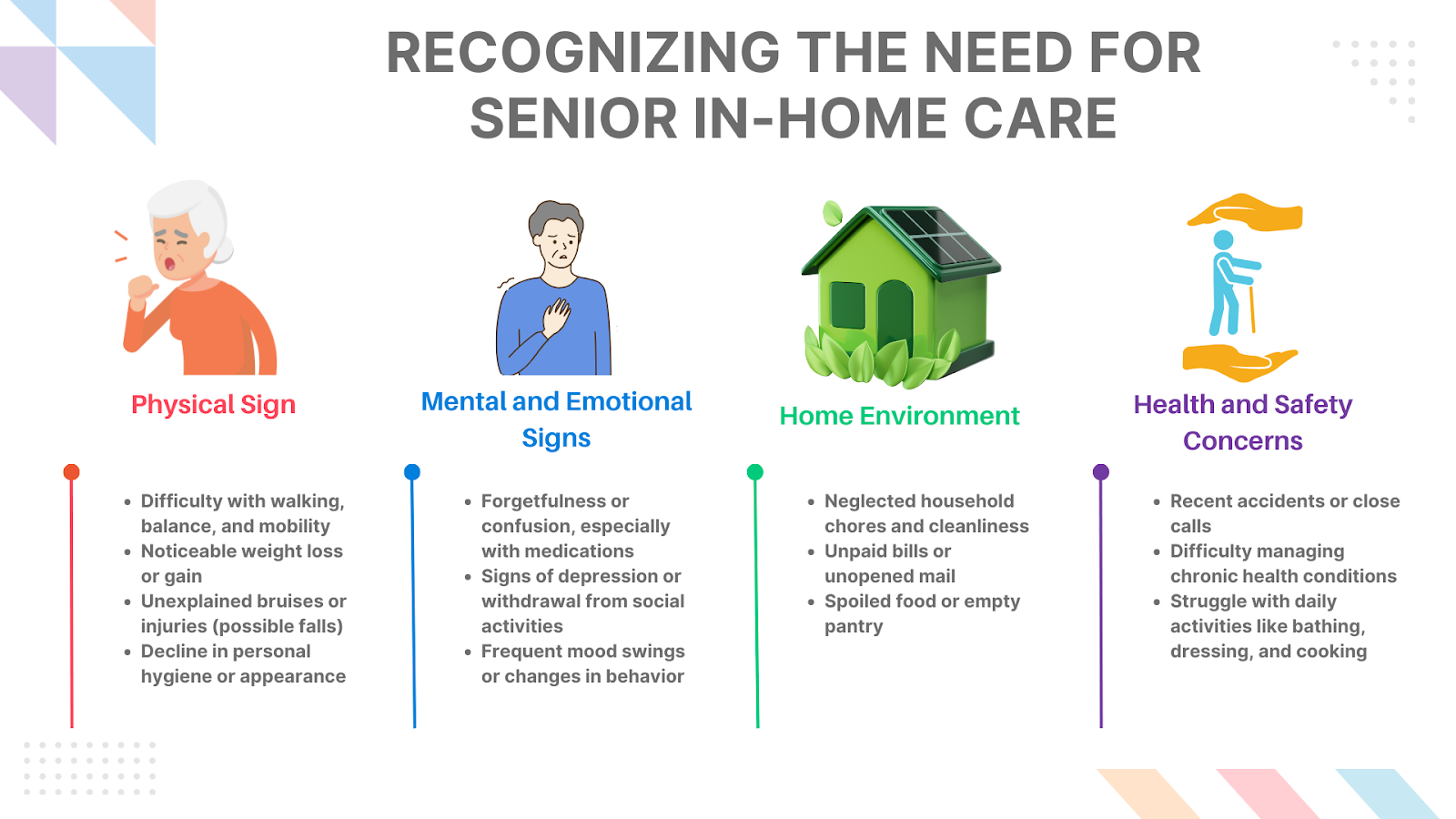
Furthermore, integrating voice-controlled assistants can simplify daily tasks. Imagine adjusting the thermostat, locking doors, or turning off lights simply by speaking. This level of integration reduces the friction of maintaining a home, encouraging consistent upkeep. However, always prioritize cybersecurity when connecting devices to the internet. Use strong, unique passwords and enable two-factor authentication on all smart home hubs to protect your data, ensuring these Practical Home Care Tips Every Owner Should Know are implemented securely.
Daily Habits and Seasonal Routines for Busy Owners
Consistency is the key when it comes to home care. Regular cleaning prevents dust, dirt, and clutter from building up, making your home healthier and more convenient to live in. High-traffic areas like the kitchen, bathroom, and entryways should be given special attention because these areas mark up the quickest. Little habits impact a great deal, and incorporating them into your weekly routine keeps small messes from becoming large, overwhelming problems. These consistent efforts are vital Practical Home Care Tips Every Owner Should Know.
The Art of Daily Maintenance
Start with daily cleaning rituals. Wash surfaces once a day to prevent staining, especially in the kitchen where food splatters occur frequently. Mop or vacuum floors regularly, especially if you have pets. Don't overlook corners, baseboards, and ceiling fans, which are subject to being overlooked but accumulate significant dust. Walls are among the most obvious aspects of any house; finger prints, furniture stains, and even water can leave a surface looking tired. For painted walls, a mild soap and water on a soft cloth are sufficient to clean most stains. Address issues at an early stage; for instance, remove mold from painted walls immediately upon detection to prevent health issues and structural decay. Such vigilance is a cornerstone of Practical Home Care Tips Every Owner Should Know.
Seasonal Checklists for Proactive Care
Each season brings its own list of challenges. Having a checklist that works with the weather ensures your home is in its best shape at all times, embodying the spirit of Practical Home Care Tips Every Owner Should Know.
- Spring: Clean gutters, inspect the roof for winter damage, and renew outdoor spaces. Implement pest control checks for pests that may have overwintered.
- Summer: Check cooling systems, wash windows for maximum sunlight penetration, and perform regular landscaping maintenance and yard work to prevent fire hazards in dry areas.
- Fall: Clean heating systems, remove fallen leaves to prevent clogging, and check insulation levels before the cold sets in.
- Winter: Check smoke alarms and carbon monoxide detectors, prevent pipe freezing by insulating exposed pipes, and ventilate indoor air to combat humidity buildup from heating.
By being proactive, you reduce the risk of surprise breakdowns or costly repairs at the worst time. A seasonal maintenance calendar can be printed and posted in a central location, serving as a visual reminder of upcoming tasks. This structured approach transforms home ownership from a source of anxiety into a manageable, rewarding routine, reinforcing the value of Practical Home Care Tips Every Owner Should Know.
Avoiding Common Pitfalls and Ensuring Long-Term Value
Despite best intentions, homeowners often fall into traps that compromise their property's integrity. According to industry experts, 45% of homeowners admit to "completely butchering" a job they initially felt confident about. These mistakes can cause costly repairs, reduce a home's value, or even create potential safety hazards. Understanding these pitfalls is just as important as knowing how to fix things, and forms a critical part of Practical Home Care Tips Every Owner Should Know.
When to Call a Professional
While DIY skills are valuable, some tasks require specialized knowledge and equipment. Electrical work involving the main panel, gas line repairs, and structural changes should almost always be left to licensed professionals. Attempting these without proper training risks fire, explosion, or severe injury. Furthermore, local building codes in 2026 are stringent regarding permits for major renovations. Unpermitted work can lead to fines and difficulties when selling the home. Always verify if a project requires a permit before starting. Knowing these boundaries is one of the most crucial Practical Home Care Tips Every Owner Should Know.
The Cost of Neglect
Neglecting small issues is the fastest route to financial loss. A small crack in the foundation can widen due to soil expansion and contraction, requiring expensive excavation and repair. Minor roof leaks can lead to extensive mold growth, which poses serious health risks and necessitates full remediation. Investing in preventative maintenance measures, such as annual home inspections, home warranty plans, or regular system checks, can mitigate these risks. Think of maintenance as insurance; the small, regular costs pay off massively when avoided catastrophic failures occur. This perspective is a vital component of Practical Home Care Tips Every Owner Should Know.
Preparing for Resale
If you plan to sell your home, curb appeal and documented maintenance history are crucial. Buyers in 2026 expect transparency. Keep records of all repairs, upgrades, and maintenance performed. A well-documented history reassures buyers that the home has been cared for, potentially increasing the sale price. Simple updates like fresh paint, landscaping improvements, and updated lighting can yield high returns on investment, helping to increase home value before listing. These are smart Practical Home Care Tips Every Owner Should Know for maximizing your home’s value.
Frequently Asked Questions About Home Ownership in 2026
Here are some frequently asked questions that delve deeper into Practical Home Care Tips Every Owner Should Know for home ownership in 2026.
Q: How often should I really clean my gutters?
A: Ideally, you should clean your gutters twice a year, typically in late spring and early fall. However, if you live in an area with many trees or experience heavy storms, you may need to clean them more frequently. Installing gutter guards can reduce this frequency, but they still require annual inspection to ensure they aren't clogged with debris.
Q: Is it safe to replace my own furnace filter?
A: Yes, replacing a furnace filter is one of the safest and easiest DIY tasks. Just ensure you turn off the furnace system before opening the panel to avoid damaging the blower motor. Always match the filter size and type specified in your manual. If you are unsure, consult the manufacturer's guide or hire a local HVAC technician for assistance.
Q: What are the signs that my home needs a professional inspection?
A: Look for persistent musty odors, visible water stains on ceilings or walls, unexplained spikes in energy bills, or cracks in the foundation. If you hear strange noises from your plumbing or HVAC systems, or if doors and windows no longer close properly, these are signs that professional evaluation is needed. Ignoring these symptoms can lead to major structural issues.
Q: Can I install smart home devices myself?
A: Most smart home devices, such as smart plugs, light bulbs, and video doorbells, are designed for easy DIY installation. They typically connect to Wi-Fi via a smartphone app. However, hardwired devices like smart thermostats or security systems may require basic electrical knowledge. If you are uncomfortable working with wiring, it is safer to hire an electrician to ensure proper installation and safety compliance.
Q: How much should I budget for annual home maintenance?
A: A general rule of thumb is to budget 1% to 2% of your home's purchase price annually for maintenance and repairs. For a $400,000 home, this would be $4,000 to $8,000 per year. This fund should cover everything from filter replacements and lawn care to major system servicing. Adjust this percentage based on the age of your home and its condition. This budgeting foresight is one of the most important Practical Home Care Tips Every Owner Should Know.
Conclusion: Building a Legacy Through Consistent Care
Owning a home is a journey of continuous learning and adaptation. The practical home care tips every owner should know outlined in this guide are not just a list of chores; they are strategies for preserving your greatest asset. From the robustness of your exterior shell to the efficiency of your internal systems, every component plays a vital role in your comfort and security. In 2026, the intersection of technology and traditional maintenance offers new opportunities to manage your property smarter, not harder.
By adopting a proactive mindset, staying informed about seasonal changes, and recognizing when to seek professional help, you can navigate the complexities of homeownership with confidence. Remember, a well-maintained home is a reflection of pride and foresight. It provides a stable environment for your family, protects your financial investment, and contributes to the broader community's well-being. Start today by reviewing your current maintenance schedule, locating your emergency shut-offs, and tackling that one small task you've been putting off. Your future self will thank you for the effort invested now, especially when you apply these Practical Home Care Tips Every Owner Should Know.
References
- National Association of Realtors — Homeowner DIY Trends and Mistakes Report, 2024
- Family Handyman — 62 Habits That Make You the Perfect Homeowner, Updated February 2024
- Bob Vila — 50 Things Every Homeowner Should Know How to Do, April 2024 Update
- Consumer Reports — Tips and Products for a Healthier Home in 2026
- A Practical Homeowner — Comprehensive Home Maintenance and Repair Tips, November 2025
- Asian Efficiency — 20 Home Care Tips for Busy People (2026 Update)
- HomeGuide — The Ultimate Home Maintenance Checklist (2026 Edition)
- Diyhomeimprovementfixesandadvice — Essential Home Maintenance Tips Every Homeowner Should Know, November 2025