
Welcome to the new era of homeownership. As we navigate through 2026, the real estate landscape has shifted dramatically from the speculative frenzy of previous years to a more grounded, value-driven market. In an environment where inflation remains a persistent factor at 2.7%, and labor shortages continue to drive up renovation costs, the definition of "value" has evolved. It is no longer just about raw square footage or luxury finishes; it is about everyday utility, energy efficiency, and smart adaptability. Whether you are a homeowner in Seattle looking to combat damp winters with better insulation or a buyer in San Diego seeking sustainable living features, understanding which upgrades deliver the highest return on investment (ROI) is critical. This guide explores the most effective strategies to enhance your property's worth while simultaneously improving your daily quality of life.
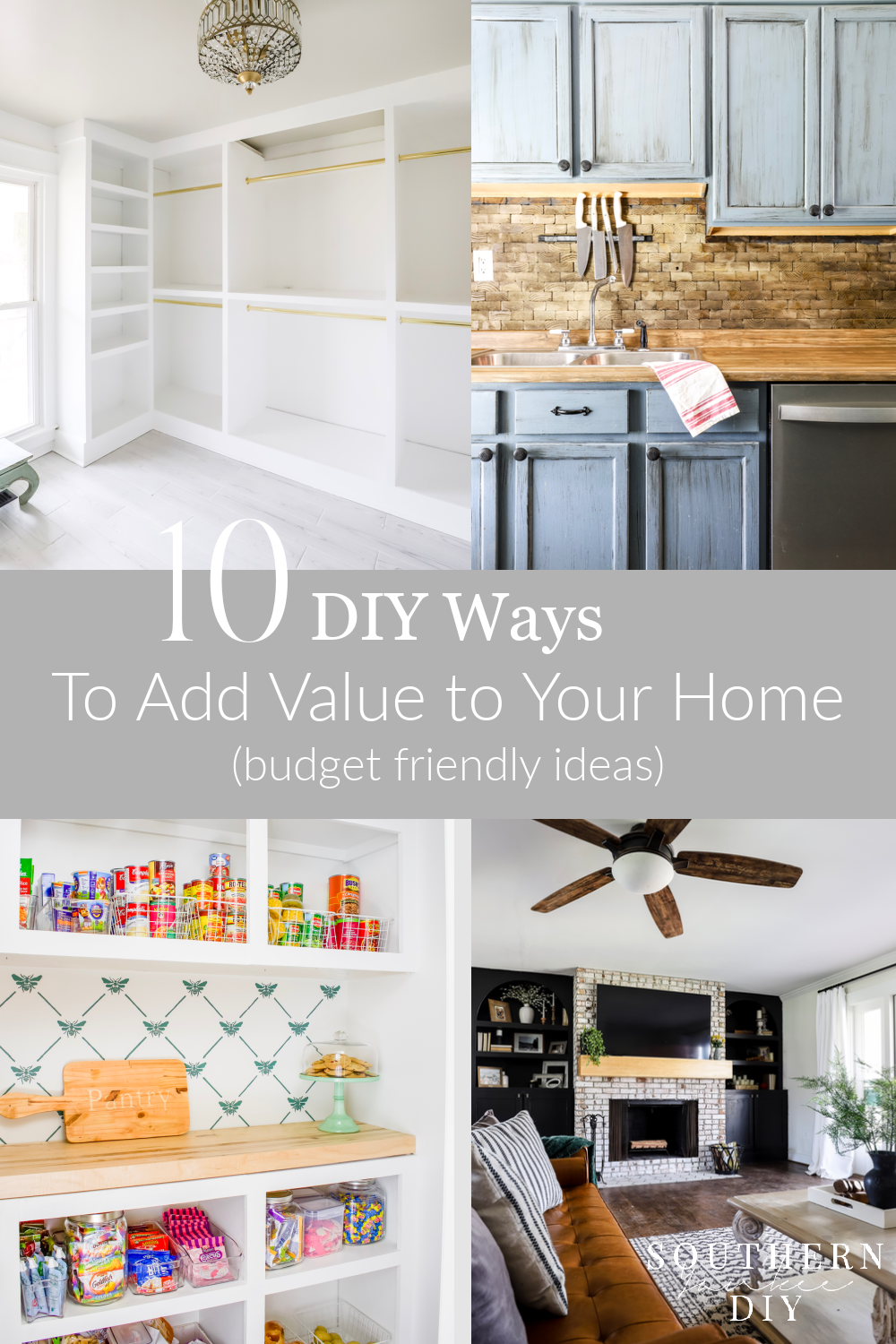
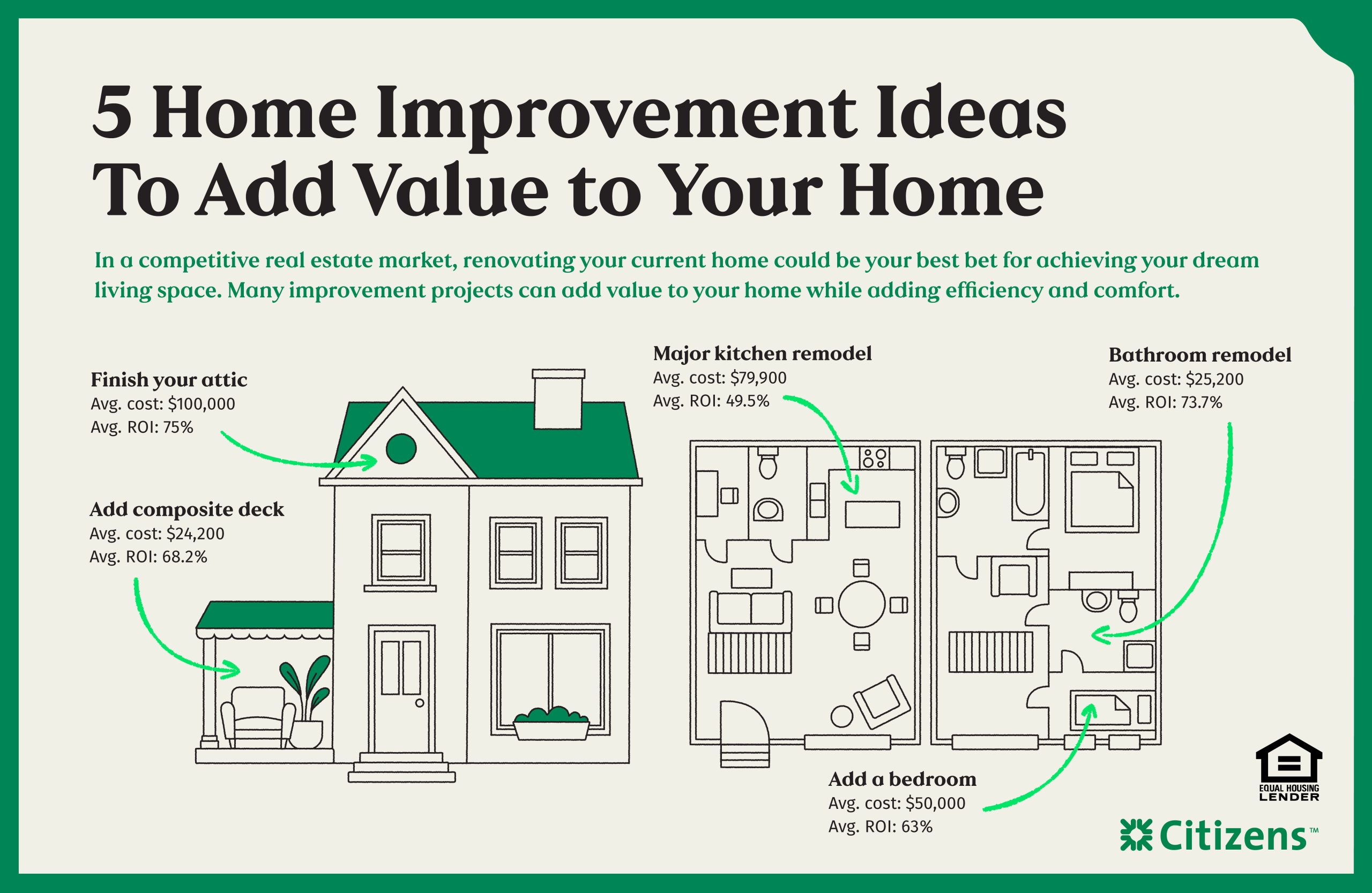
The modern homeowner must balance immediate comfort with long-term financial prudence. With Harvard researchers estimating that Americans' total spending on home remodeling could reach a record high of $524 billion in early 2026, the pressure to make every dollar count is higher than ever. However, this doesn't mean you need to gut your entire kitchen to see results. Strategic, targeted improvements can yield significant returns without breaking the bank. From curb appeal enhancements that stop buyers in their tracks to smart home integrations that reduce future maintenance headaches, the best upgrades are those that solve real problems. Let's dive into the specific projects that are moving the needle on home value in 2026.
High-Impact Exterior Upgrades for Maximum Curb Appeal
The exterior of your home is its first line of defense and its most powerful marketing tool. In 2026, buyers are scrutinizing the outside of the house more closely than ever before, looking for signs of structural integrity, energy efficiency, and modern aesthetics. A well-maintained facade can instantly increase your property's perceived value by thousands of dollars.
Garage Door Replacement: The Underrated ROI Winner
One of the most surprising yet effective upgrades on the list is replacing your garage door. According to recent data from Bankrate, a new garage door is consistently ranked as the top renovation for increasing home value. The cost is relatively modest—averaging around $4,500—yet it can increase your home's value by as much as $8,750 or more upon resale. This isn't just about looks; modern garage doors offer superior insulation, which helps regulate temperature in attached garages, reducing energy bills. For homeowners in colder climates like Chicago or Minneapolis, an insulated door is a functional necessity that adds tangible value. Opt for styles with windows or faux wood finishes to add character while enhancing security. This project is often completed in a single day, making it one of the quickest ways to refresh your property's frontage.
Landscaping and Outdoor Living Spaces
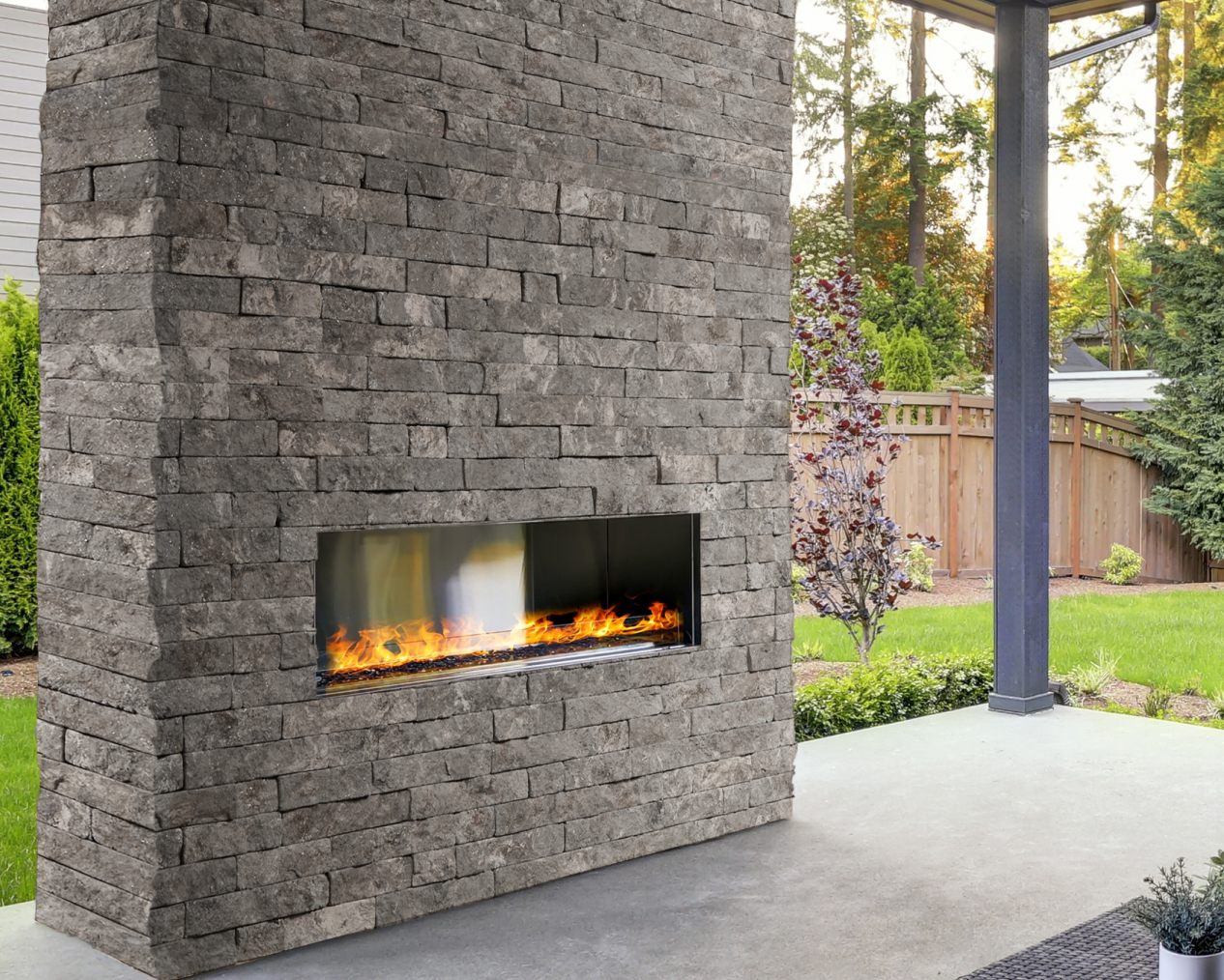
Outdoor spaces have transitioned from mere decorative elements to essential extensions of the indoor living area. The concept of "flex rooms" is dominant in 2026, meaning buyers want versatile zones that can serve as offices, gyms, or entertainment hubs. Transforming an unused ground-floor patio or a deck under the stairs into a livable space can create the illusion of extra square footage. As noted by HGTV experts, turning wasted space into a chic outdoor lounge with louvered walls and comfortable seating can be the deciding factor in a sale. Adding features like outdoor kitchens, fire pits, or durable decking materials significantly boosts appeal. These improvements allow you to enjoy the seasons longer, adding everyday value to your routine while boosting the asset's market price.
Front Door and Entryway Updates
Your front door sets the tone for the entire visit. A fresh coat of paint in a bold, inviting color or a complete replacement with a modern design can make a huge impact for under $100. Real estate professionals agree that the entryway creates the first impression, and a welcoming door suggests a well-cared-for home inside. Consider upgrading to a smart lock system or adding premium hardware like brass or matte black fixtures. These small touches signal modernity and convenience, aligning with the 2026 trend of hybrid functionality where aesthetics meet security.
Interior Renovations That Boost Functionality and Comfort
While exteriors grab attention, interiors determine whether a buyer feels at home. In 2026, the focus has shifted heavily toward functionality, health, and adaptability. Homes need to accommodate remote work, flexible family dynamics, and sustainable living practices.
The Kitchen: Beyond Just Cabinets
It remains true that "the kitchen sells the home," but the criteria for what makes a kitchen desirable have changed. You don't necessarily need a full gut renovation to see value. Instead, focus on high-efficiency appliances, updated lighting, and timeless backsplashes. Installing a new peel-and-stick backsplash is a budget-friendly DIY project that protects walls and adds personality. Replacing old cabinet hardware with modern pulls can instantly elevate the look of dated cabinets. Furthermore, integrating smart kitchen technology, such as induction cooktops or voice-controlled faucets, addresses the growing demand for connected living. These upgrades suggest a move-in-ready home that meets contemporary lifestyle needs without the massive expense of structural changes.
Creating Flexible Workspaces
The remote workplace services market continues to grow, and buyers are actively looking for dedicated office spaces. Converting a spare bedroom, a large closet, or even a portion of the living room into a professional home office is a high-ROI move. Studies project that homes with dedicated work areas command higher prices because they eliminate the need for commercial leases or co-working memberships. Ensure these spaces have proper soundproofing, ample natural light, and robust electrical outlets for multiple devices. In cities like Austin or Denver, where remote work culture is strong, this upgrade is not just a bonus; it's a requirement for many families.
Bathroom Modernization and Wellness
Bathrooms are another key area where small updates yield big returns. Focus on water efficiency, as water conservation is a major priority in 2026 due to regulatory changes and environmental awareness. Installing low-flow toilets and showerheads reduces utility bills and appeals to eco-conscious buyers. Updating fixtures to match current trends, such as rainfall showers or frameless glass enclosures, adds a spa-like feel. Lighting plays a crucial role here too; swapping out dated vanity lights for LED mirrors with dimmers can transform the mood of the room. These wellness-focused upgrades improve your daily experience while signaling that the home is healthy and modern.
Budget-Friendly DIY Projects for Immediate Gratification
Not every upgrade requires a contractor or a significant loan. Many of the most impactful changes can be made by the homeowner over a weekend, costing less than the price of a few takeout meals. These projects are perfect for refreshing a space and building confidence for larger undertakings.
Paint and Color Psychology
Fresh paint is arguably the most cost-effective way to transform any room. In 2026, neutral tones remain popular for their ability to make spaces feel larger and brighter, but there is also a resurgence of warm earth tones and soft greens that connect indoors with nature. Painting an accent wall or updating trim work can define a room's architecture without overwhelming the space. This is a low-risk project that allows you to test colors before committing to a full repaint. Protecting your walls from wear and tear while changing the mood of the home makes this an essential part of any upgrade strategy.
Lighting Upgrades
Lighting is often overlooked but has a profound effect on how a home feels. Swapping out old incandescent bulbs for LED smart lighting improves energy efficiency and offers customizable ambiance. Installing new ceiling fixtures, under-cabinet lights in the kitchen, or motion-sensor lights in hallways adds both style and safety. These upgrades are inexpensive, easy to install, and immediately noticeable to guests and potential buyers. They suggest a home that is technologically current and energy-conscious.
Flooring Refreshes
Flooring is a major expense, but you don't always need to replace it entirely. In many cases, refinishing hardwood floors or installing high-quality luxury vinyl plank (LVP) over existing subfloors can achieve a like-new look for a fraction of the cost. LVP is particularly popular in 2026 due to its durability, water resistance, and realistic aesthetic. For rental properties or starter homes, this is the sweet spot between cost and perceived value. It creates a clean, cohesive look throughout the open floor plan, which is highly sought after by modern buyers.
Smart Home Integration and Sustainability Trends
As we move further into 2026, technology and sustainability are no longer niche luxuries; they are baseline expectations for a valuable home. Integrating smart systems and green features can differentiate your property in a crowded market.
Automation and Security
Smart home devices that enhance security and convenience are highly valued. Systems that include smart locks, video doorbells, and automated thermostats provide peace of mind and reduce energy waste. Buyers appreciate the ability to control their home environment remotely, whether they are checking the security camera while at work or adjusting the temperature before arriving home. These upgrades reduce future maintenance concerns and align with the Internet of Things (IoT) ecosystem that defines modern living. Even basic setups, like programmable thermostats, can lower utility bills and attract tech-savvy buyers.
Energy Efficiency and Green Features
With rising energy costs, homes that minimize consumption are increasingly attractive. Upgrading to Energy Star-rated appliances, sealing air leaks, and adding advanced insulation can significantly cut utility bills. Solar panel installations, while costly, are becoming more accessible and offer substantial long-term savings and tax incentives. Additionally, features like tankless water heaters and dual-flush toilets demonstrate a commitment to resource conservation. These green upgrades not only lower operating costs for the current owner but also future-proof the home against stricter building codes and higher utility rates.
Strategic Planning and Local Market Considerations
Successful home upgrades require more than just a list of popular trends; they require strategic planning tailored to your local market. What sells in a coastal city like Miami may differ from what appeals to buyers in a mountain town like Aspen.
Understanding Local Buyer Demands
Before starting any project, research what buyers in your specific neighborhood are looking for. If you live near a lake in Wisconsin, a boathouse or covered dock might be more valuable than a gourmet kitchen. If you are in a tech hub like Seattle, high-speed internet infrastructure and smart home readiness are non-negotiable. Consulting with local real estate agents who know the pulse of the community can prevent you from over-improving for the area or missing key features that drive sales.
Budgeting and Phasing Projects
Given the economic uncertainties and inflation mentioned earlier, careful budgeting is essential. It is often smarter to phase renovations rather than attempting everything at once. Start with the highest ROI projects, such as the garage door or fresh paint, and save larger investments like kitchen remodels for when funds allow. Avoid "over-customization"; stick to neutral designs that appeal to the broadest range of buyers. Remember, the goal is to recoup your investment, not to create a museum piece that only you will love.
Conclusion: Investing in Your Future
In 2026, the path to increasing home value lies in a balance of practicality, technology, and aesthetic appeal. By focusing on high-impact areas like curb appeal, functional interior spaces, and smart home integration, you can transform your property into a desirable asset. Whether you choose a simple DIY paint job or a comprehensive garage door replacement, each step contributes to the overall worth of your home. Remember, the best upgrades are those that enhance your everyday life while positioning your home for a strong resale value. Take stock of your current space, prioritize projects based on local market demands, and start planning your renovation journey today. Your home is not just a place to live; it is your greatest investment, and with the right strategy, it can grow significantly in value.
Frequently Asked Questions (FAQ)
Q: What is the single best home upgrade for ROI in 2026?
A: While results vary by location, replacing the garage door consistently ranks as the number one upgrade for return on investment. It offers a high percentage of cost recouped (often over 100%) due to its massive impact on curb appeal and security, all at a relatively low cost compared to other projects.
Q: How much should I spend on renovations to maximize profit?
A: Generally, you should aim to keep total renovation costs below 75% of your home's current estimated value in your neighborhood. Spending too much relative to comparable homes in the area can limit your profit potential, as buyers will only pay up to the market average.
Q: Are smart home features worth the investment in 2026?
A: Yes, provided they are installed correctly. Basic smart thermostats, security cameras, and lighting systems are now expected by many buyers. However, avoid overly complex proprietary systems that require specific subscriptions or specialized equipment, as simplicity and compatibility are key.
Q: Can I add value by doing DIY projects myself?
A: Absolutely. DIY projects like painting, installing backsplashes, and swapping out hardware can save thousands in labor costs. As long as the work is done cleanly and professionally, these improvements add genuine value and show buyers that the home has been well-maintained.