
Buying your first home is one of the most significant financial and emotional milestones in a person's life. However, for many first-time homeowners, the journey from "house hunter" to "homeowner" is fraught with unexpected challenges. In 2026, the real estate landscape continues to evolve, bringing new complexities regarding interest rates, energy efficiency standards, and smart home integration. Without a structured plan, even the most excited buyers can feel overwhelmed by the sheer volume of tasks required to settle in.
This comprehensive guide serves as your definitive Essential Checklist for First Time Homeowners. We have distilled years of expert advice, market data, and homeowner experiences into a actionable roadmap designed specifically for the 2026 context. Whether you are navigating a competitive market in Austin, managing renovation costs in Chicago, or securing a mortgage in Miami, this checklist ensures you don't miss a single critical step. From pre-approval logistics to unpacking day essentials, we cover it all to help you build a functional, welcoming space without breaking the bank.
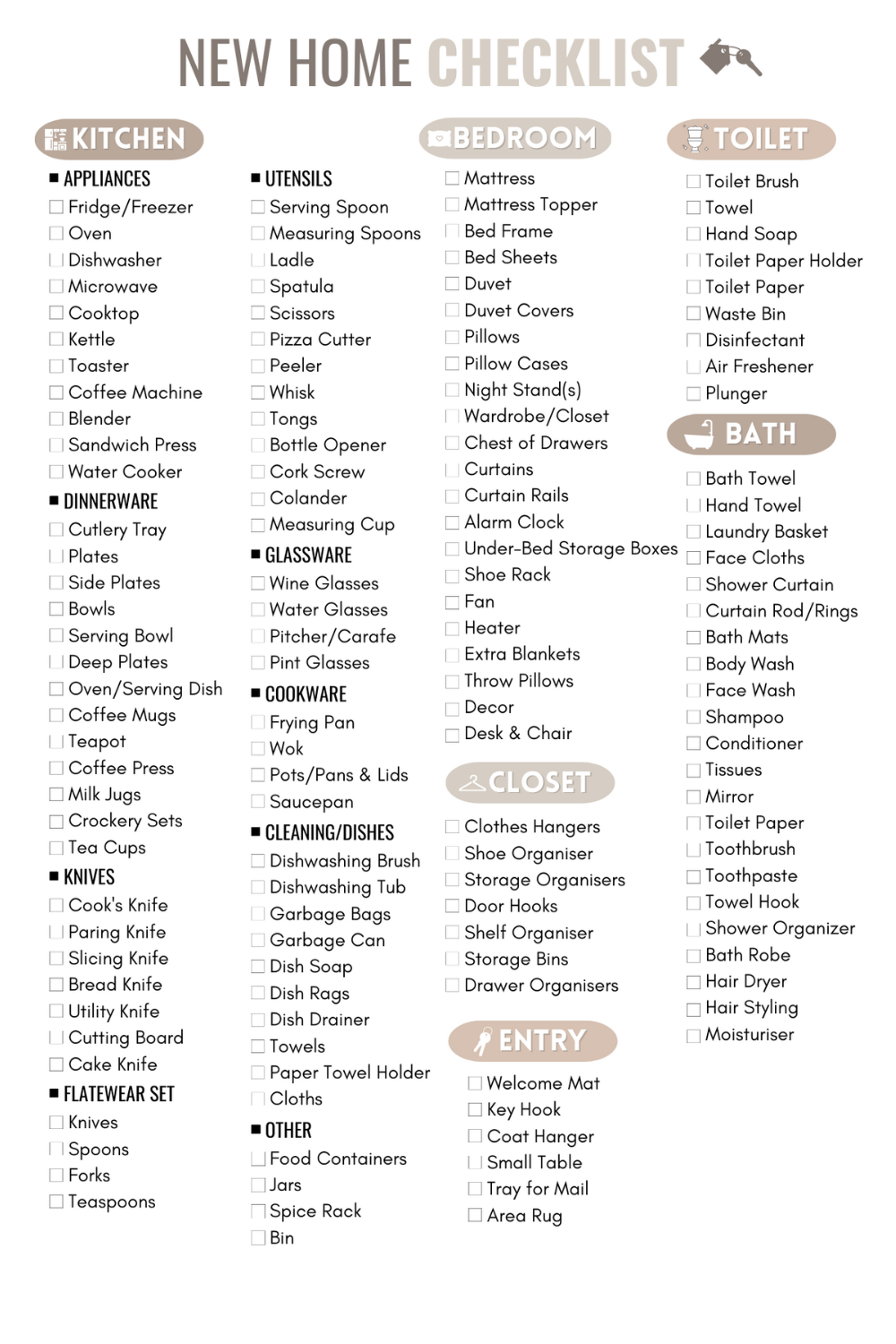
Pre-Move-In Financial & Legal Foundations
Before you even think about buying paint colors or choosing a mattress, the foundation of your homeownership must be solid. In 2026, financial preparedness is more critical than ever due to fluctuating economic conditions. Many first-time buyers underestimate the hidden costs associated with closing and immediate maintenance.
Securing the Right Insurance Coverage
One of the most common mistakes new owners make is assuming their existing renter's insurance covers a house they own. It does not. Homeowners insurance is non-negotiable, especially if you have a mortgage. Lenders will not fund your loan without proof of coverage. Beyond standard property damage, ensure your policy includes liability protection and consider flood insurance if you live in a designated zone, which remains a top priority after recent weather events in coastal areas. Work with an agent who understands local risks specific to your city, such as hurricane zones in Florida or earthquake faults in California.
Utility Setup and Energy Efficiency
In 2026, utility management has become a proactive skill rather than a passive bill-paying task. Before moving in, you must contact local providers to set up accounts for electricity, gas, water, sewer, trash collection, cable, and high-speed internet. Schedule these services to activate on your exact closing date to avoid gaps in service. Furthermore, take advantage of modern energy efficiency standards. Many homes now come with smart thermostats or solar-ready infrastructure. Understanding how to optimize these systems immediately can save you hundreds of dollars annually, a crucial consideration when inflation impacts household budgets.
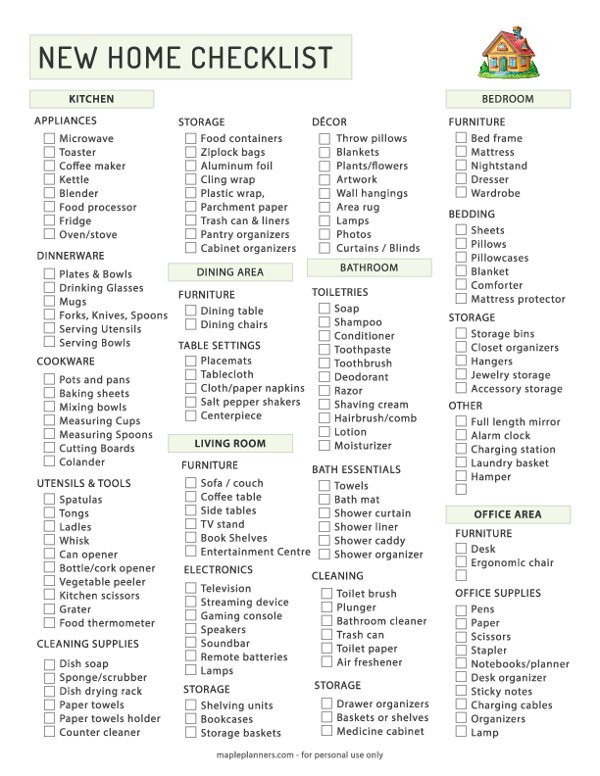
The Closing Day Paperwork Review
The day you sign the final documents is exhilarating, but it is also a legal minefield if you aren't prepared. You must verify that every item listed in your purchase agreement is present in the home. Unfortunately, it is not uncommon for previous owners to remove appliances or fixtures at the last minute. Create a final walk-through checklist to document the condition of the property. If discrepancies exist, notify your real estate agent immediately before handing over the keys. Additionally, change the locks or install a smart lock system on move-in day. Security should be your absolute first priority; never assume the previous owner left working keys or that the lock code hasn't been compromised.
Room-by-Room Essential Inventory Guide
Once the paperwork is signed and the utilities are flowing, the physical work begins. Moving into a larger space often reveals that you have far fewer items than you anticipated compared to your rented apartment. This section breaks down the must-have items room by room, prioritizing functionality over aesthetics. Remember, you can decorate later; living comfortably comes first.
Kitchen Essentials: The Heart of the Home
The kitchen is where families gather, so it deserves immediate attention. You do not need a professional-grade setup on day one, but you do need the basics to cook simple meals and store food safely. Start with a nonstick skillet and saucepan, a stock pot for soups, and essential cooking utensils like spatulas, tongs, and ladles. Don't forget measuring cups, a cutting board, and a chef's knife—these are tools you will use daily.
For storage, invest in clear food storage containers with lids to keep leftovers fresh and organized. A small trash can with a lid and liners is vital for hygiene. Modern kitchens also benefit from small appliances that save time; consider a microwave, toaster oven, coffee maker, or an air fryer for quick weeknight dinners. Finally, equip your space with dish soap, a sponge, a drying rack, and multi-surface cleaners to tackle messes immediately upon arrival.
Bedroom Essentials: Creating a Sanctuary
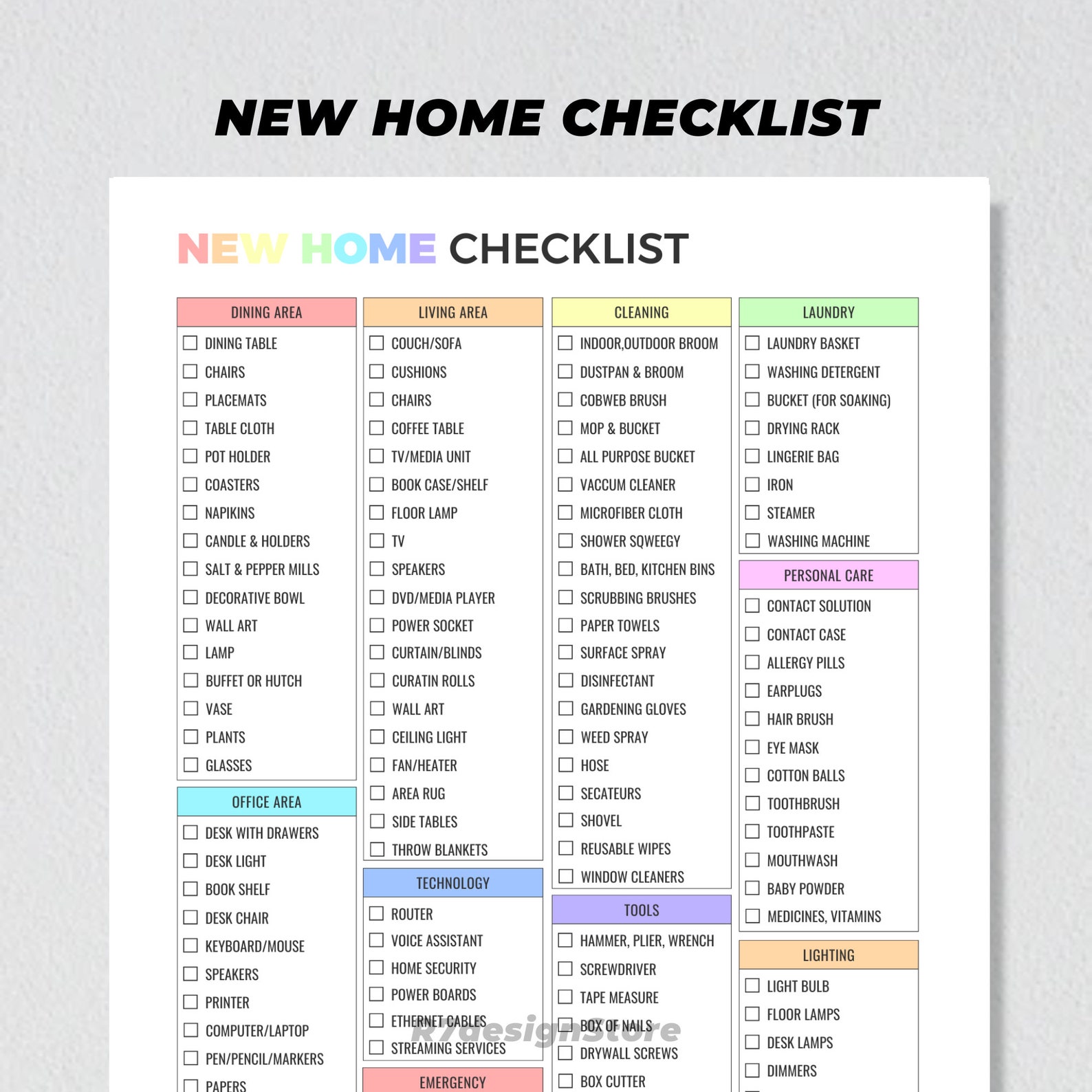
Your bedroom is your private retreat, designed for sleep, relaxation, and recharging. A well-prepared bedroom significantly reduces move-in stress. The cornerstone of any bedroom is a comfortable mattress and bedding set. Memory foam mattresses are highly recommended for starters due to their supportive nature and affordability. Ensure you have enough pillows, sheet sets, and a comforter to make the bed inviting on your very first night.
Storage solutions are equally important in bedrooms, especially if the closet space is limited. A dresser, closet organizer bins, or under-bed storage boxes can maximize your square footage. Nightstands with lamps provide necessary lighting for reading, while blackout curtains can improve sleep quality regardless of streetlights outside. For added comfort, consider an area rug, an essential oil diffuser, or an air purifier to improve indoor air quality, which is particularly beneficial in newer construction homes that may have off-gassing issues.
Bathroom Necessities: Hygiene and Functionality
The bathroom is perhaps the most utilitarian room in the house, requiring a strict focus on hygiene and safety. On day one, you must have a full supply of towels (bath, hand, and washcloths), toilet paper, and a plunger just in case. Shower curtains, rings, and bath mats prevent slips and keep the floor dry. Stock up on basic toiletries and toothbrush holders to maintain order.
Safety cannot be overstated here. Keep a basic first aid kit accessible in the bathroom for minor cuts or burns. Cleaning supplies specific to bathrooms, such as mold remover and glass cleaner, should be ready to go. If you are moving into an older home, check that the water pressure and drainage are functioning correctly before you start using them extensively.
Living Room and Common Areas
While you don't need to furnish the entire living room immediately, you do need enough seating to host guests or relax. A sofa or large chair, a coffee table, and basic lighting are the bare minimum. Curtains or blinds are essential for privacy and light control. As you settle in, you can gradually add entertainment setups, decor, and accent pieces. The goal is to create a functional flow that allows you to move through the house easily without tripping over boxes.
Smart Home Integration and Technology Upgrades
The year 2026 marks a tipping point where technology is no longer a luxury but a necessity for efficient home management. Smart home devices offer unprecedented control over security, energy usage, and convenience, making them a top priority for modern homeowners. Integrating these systems early can streamline your daily routine and potentially lower your utility bills.
Security Systems and Access Control
Traditional deadbolts are still effective, but smart locks take security to the next level. These devices allow you to grant temporary access codes to contractors, babysitters, or delivery drivers without handing over physical keys. They also send alerts to your phone if someone tries to tamper with the lock. Pair your smart locks with a video doorbell and indoor security cameras to monitor your property remotely. In 2026, cybersecurity is paramount; ensure all connected devices have strong passwords and updated firmware to prevent hacking.
Energy Management and Smart Appliances
Energy costs remain a significant household expense, and smart technology offers powerful solutions. Install a smart thermostat that learns your schedule and adjusts heating and cooling automatically to reduce waste. Many utility companies in deregulated states now offer dynamic pricing plans that reward you for using less electricity during peak hours. Consider upgrading to smart plugs and LED lighting systems that can be controlled via voice assistants or smartphone apps. These upgrades not only enhance comfort but also contribute to a greener footprint, aligning with 2026's sustainability goals.
Post-Move-In Maintenance and Safety Protocols
Moving day is just the beginning of your journey as a homeowner. The weeks following your move-in are critical for establishing routines that protect your investment and ensure long-term safety. Neglecting these initial maintenance tasks can lead to costly repairs down the road.
Immediate Home Inspection and Repairs
Conduct a thorough inspection of the entire property within the first week. Check for leaks under sinks, test all faucets and toilets, and ensure every light switch and outlet works properly. Pay special attention to the circuit breaker panel; locate it and label each breaker clearly so you know which appliance controls which circuit. If you discover any issues, such as dripping pipes or faulty wiring, report them to your landlord (if applicable) or address them yourself if you own the property. Document everything with photos and dates for your records.
Establishing Cleaning Routines
A new home requires a deep clean before you move in fully, but maintaining that cleanliness is an ongoing effort. Develop a cleaning schedule that divides tasks weekly, bi-weekly, and seasonally. Invest in high-quality cleaning tools like microfiber cloths, a vacuum with HEPA filters, and eco-friendly cleaners. Keeping your home clean not only improves air quality but also extends the lifespan of your furnishings and appliances. Consider hiring a professional cleaning service for a one-time deep clean if your budget allows, giving you a fresh start.
Building an Emergency Fund
One of the hardest lessons for first-time homeowners is the realization that things break. Unlike renting, where you call a landlord, as an owner, you are responsible for the repair costs. It is wise to set aside a portion of your monthly income specifically for home maintenance and emergency repairs. Aim to save at least 1% to 3% of your home's value annually for upkeep. Having this fund readily available prevents financial stress when a boiler fails in winter or the roof needs patching after a storm.
Navigating Local Regulations and Community Resources
Every community has its unique set of rules, resources, and challenges. Successful homeownership in 2026 requires understanding the local landscape, from zoning laws to neighborhood associations. Ignoring local regulations can result in fines or forced modifications, so stay informed about your specific area.
Understanding HOA and Local Zoning Laws
If you live in a community with a Homeowners Association (HOA), familiarize yourself with their covenants, conditions, and restrictions (CC&Rs) immediately. These documents dictate everything from paint colors to fence heights and pet policies. Violating these rules can lead to significant fines. Similarly, research local zoning laws regarding backyard structures, garage conversions, or exterior modifications. Cities often have specific permits required for landscaping changes or adding decks. Engaging with your local planning department early can save you time and money.
Connecting with Neighbors and Local Services
Building a strong relationship with your neighbors is invaluable. They can provide insights into local traffic patterns, best schools, reliable contractors, and community events. In many cities, there are active neighborhood social media groups or forums where residents share tips and recommendations. Don't hesitate to introduce yourself and ask for advice on local services, from plumbers to landscapers. Being an engaged neighbor fosters a sense of belonging and can even increase your property's resale value over time.
Conclusion: Embracing the Journey of Ownership
Purchasing your first home is a monumental achievement that opens doors to financial stability, personal growth, and community connection. While the process can seem daunting, having a clear Essential Checklist for First Time Homeowners transforms chaos into a manageable sequence of steps. By focusing on the fundamentals—insurance, utilities, room-by-room essentials, and smart technology—you lay a solid foundation for a lifetime of homeownership.
Remember, perfection is not the goal; progress is. You will learn as you go, and every challenge you overcome makes you a more confident homeowner. Take a deep breath, trust your checklist, and enjoy the exciting journey of turning a house into a home. With the right preparation and mindset, your 2026 move-in experience will be nothing short of transformative.
FAQ: Common Questions for New Homeowners
Q: What is the most expensive mistake first-time homeowners make?
A: The most costly error is underestimating closing costs and immediate repair expenses. Buyers often focus solely on the down payment and mortgage, forgetting that closing fees, moving costs, and urgent fixes (like a broken HVAC system) can add thousands to the initial outlay. Always request a detailed estimate of all potential costs before signing papers.
Q: Should I buy furniture before or after moving in?
A: It is best to purchase essential furniture and linens before you move in so you can organize your boxes efficiently. However, avoid buying decorative items or large statement pieces until you have seen the actual layout and lighting of the rooms. Measuring your spaces beforehand is crucial to avoid returns.
Q: How much should I save for home maintenance?
A: Financial experts recommend setting aside 1% to 3% of your home's purchase price annually for maintenance and repairs. For a $400,000 home, this means saving $4,000 to $12,000 per year. This fund acts as a buffer against unexpected emergencies like leaky roofs or appliance failures.
Q: Is smart home technology worth it for a starter home?
A: Absolutely. In 2026, smart home devices are increasingly standard and often come pre-installed in new builds. Even in older homes, adding a smart thermostat, smart locks, and video doorbells can significantly improve security, energy efficiency, and convenience without requiring major renovations.