
Living in a compact urban environment, whether it's a trendy loft in downtown Seattle, a cozy studio in Brooklyn, or a historic flat in London, often feels like a constant battle against clutter. In 2026, with urbanization rates climbing and housing footprints shrinking, the need for efficient home organization has never been more critical. Statistics show that nearly 65% of people feel overwhelmed by clutter, particularly when residing in small spaces where every square inch counts. However, feeling cramped doesn't have to be your permanent reality.
The secret to mastering a small home isn't just about buying more bins; it's about adopting a mindset of vertical utilization and multi-functional design. From clever furniture swaps to surprising DIY hacks that utilize everyday items, modern storage solutions allow even the tiniest corners of your home to work harder for you. This comprehensive guide explores the most effective, stylish, and practical storage strategies tailored for the 2026 homeowner. We will dive deep into room-by-room solutions, ensuring your space remains not only tidy but also a sanctuary of calm and functionality.
The Psychology of Clutter and the 2026 Organization Mindset
Before diving into specific hardware and hacks, it is essential to understand why small spaces feel so chaotic. Clutter is not merely a physical issue; it is a psychological burden. When visual noise overwhelms our limited field of view, our brains struggle to relax, leading to increased stress levels and reduced productivity. In high-density cities like San Francisco or New York, where residents spend significant time indoors, the impact of a disorganized home is magnified.
The 2026 approach to organization shifts away from "hiding" things and toward curating accessibility. The goal is to create a system where every item has a designated home that is easy to access and easy to return to. This involves three core principles:
- Vertical Maximization: Utilizing wall height rather than floor footprint.
- Dual-Purpose Utility: Ensuring every piece of furniture serves at least two functions.
- Visual Lightness: Using transparent or elevated storage to maintain an airy feel.
By adopting these principles, you transform your small space from a source of anxiety into a model of efficiency. Whether you are renting in Chicago or owning a condo in Miami, these foundational concepts apply universally to create a harmonious living environment.
Revolutionary Vertical Storage Solutions for Modern Homes
When floor space is at a premium, the only direction left to go is up. Vertical storage is the backbone of any successful small-space strategy in 2026. By drawing the eye upward, you not only free up valuable ground area but also create an illusion of higher ceilings and larger rooms.
Floating Wall Shelves and Hidden Brackets
Floating shelves have evolved from simple planks to sophisticated design elements. In 2026, the trend favors minimalist floating shelves with hidden brackets that blend seamlessly into the wall. These are perfect for displaying books, plants, and décor without consuming any floor space.
- Installation Tip: Ensure you anchor these into studs for safety, especially in older apartment buildings in cities like Boston or Philadelphia where walls may be plaster rather than drywall.
- Styling Strategy: Keep the top shelf clear or use it for lightweight items to maintain a sense of openness. Use lower shelves for heavier, frequently used items.
Pegboard Systems: Beyond the Garage
Once relegated to garages and workshops, pegboards have made a stylish comeback in kitchens, home offices, and bedrooms. A pegboard wall organizer offers unparalleled flexibility. You can move hooks, shelves, and baskets around as your needs change, making it ideal for renters who cannot drill large holes for permanent cabinetry.
- Kitchen Application: Hang pots, pans, and utensils to clear out crowded drawers.
- Office Setup: Manage cables, headphones, and stationery to keep a tiny desk clutter-free.
- Aesthetic Upgrade: Paint the pegboard to match your accent wall color for a cohesive look that feels intentional rather than industrial.
Over-the-Door and High-Wall Storage
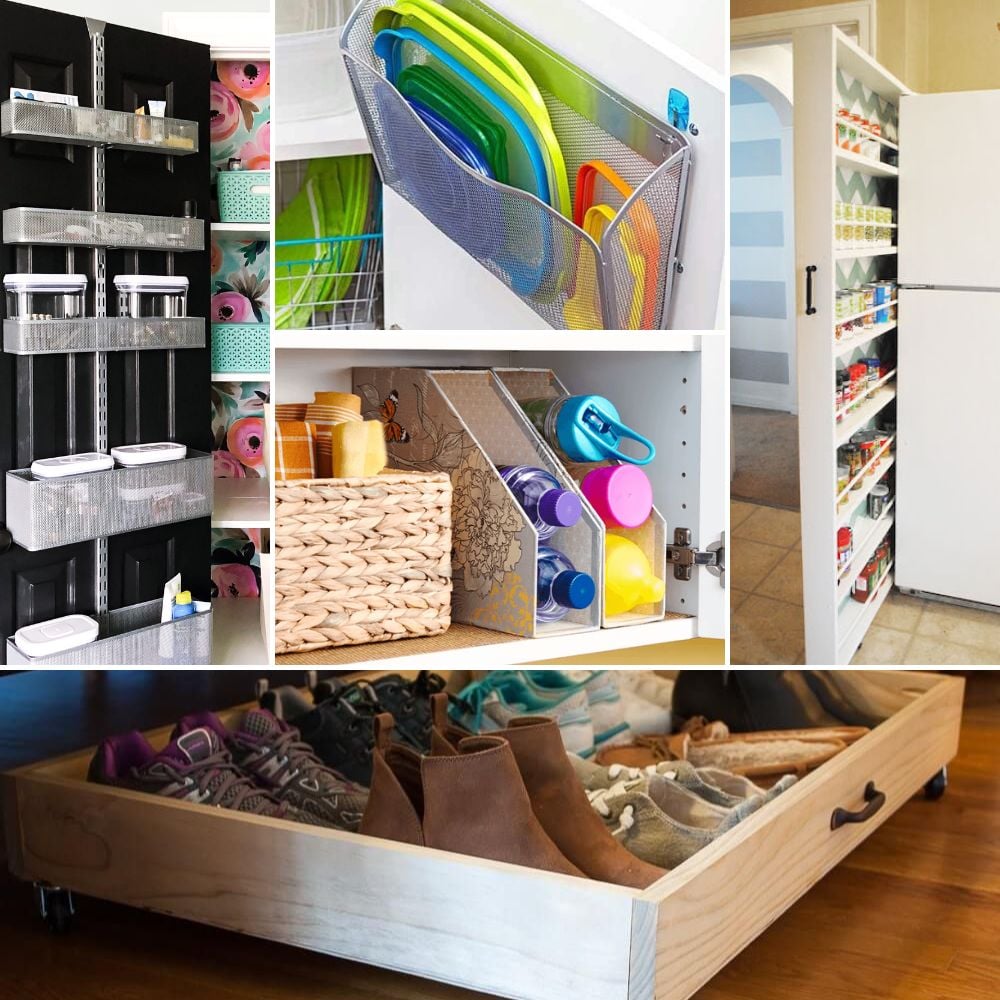
Do not ignore the space above your doors or the back of your doors themselves. Over-the-door storage racks are excellent for shoes, cleaning supplies, or pantry items. Furthermore, constructing a wardrobe or shelving unit that wraps around the top of a door utilizes dead air space that is often overlooked. Just remember the golden rule: do not overload these high-up areas to prevent safety hazards.
Smart Furniture Swaps and Multi-Functional Designs
In 2026, furniture is expected to earn its keep. Single-purpose items are becoming obsolete in small apartments. The modern small-space dweller relies on transformative furniture that adapts to different times of the day and various activities.
Storage Ottomans and Benches
A storage ottoman is a classic solution that remains vital today. It serves as a footrest, extra seating for guests, and a hidden chest for blankets, magazines, or toys. Look for designs with lift-top lids for easy access. In entryways, a bench with built-in shoe storage keeps the area tidy while providing a place to sit and put on boots—a crucial feature for rainy climates like Seattle or Portland.
Bed Frames with Built-In Drawers
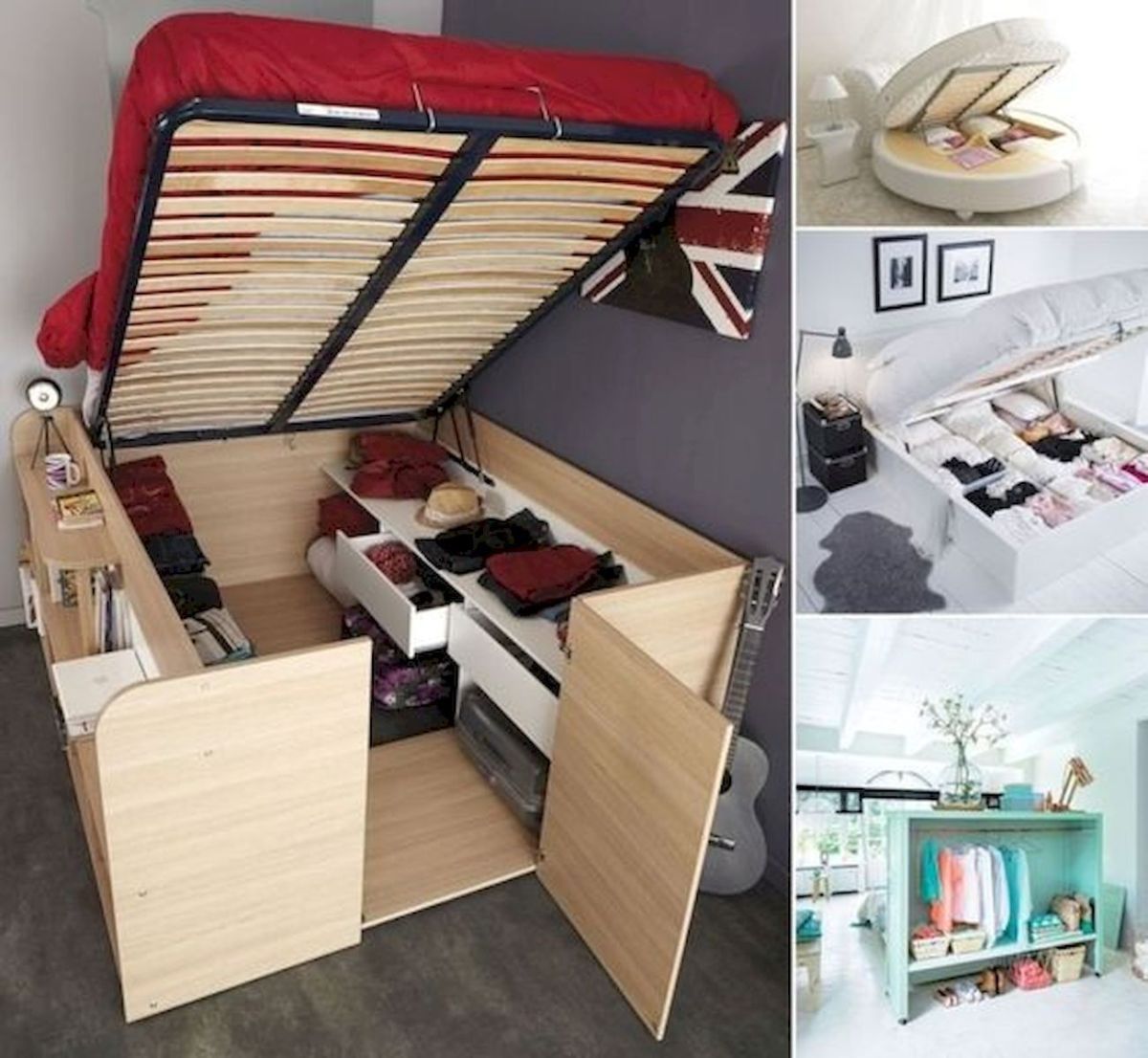
The space under your bed is prime real estate. Instead of using plastic bins that slide out awkwardly, opt for a bed frame with built-in drawers. These function like a low-profile dresser, offering ample storage for off-season clothing, linens, or luggage. If you already have a bed frame, consider adding under-bed storage bins on wheels to maximize this zone. Ensure the bins are labeled clearly so you aren't digging through mystery boxes later.
Foldable and Wall-Mounted Desks
For those working from home in a studio apartment, a permanent desk can dominate the room. Wall-mounted folding desks offer a brilliant solution. They can be folded up against the wall when not in use, instantly reclaiming floor space for yoga, dining, or entertaining. Pair this with a fold-down dining table or nested tables that tuck under one another to maintain flexibility throughout the day.
Modular Cube Shelving
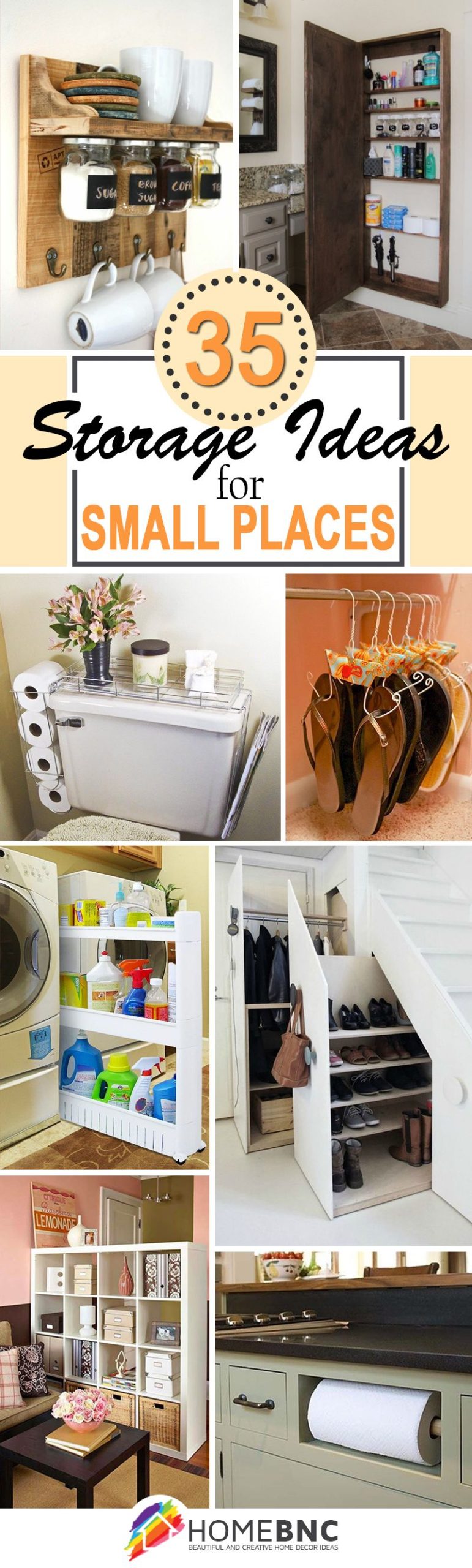
Modular cube systems allow you to build vertically or horizontally depending on your current layout. By adding wicker baskets or fabric bins to these cubes, you hide clutter while maintaining an open, airy structure. This is particularly effective in living rooms where you need to store media equipment, games, and books without the heaviness of a traditional entertainment center.
Room-by-Room Organization Hacks for Maximum Efficiency
Every room in your home presents unique challenges. Here is how to tackle them with specific, actionable strategies tailored for 2026 living.
The Kitchen: Conquering Counter Clutter
The kitchen is often the most cluttered room due to the sheer volume of gadgets and food items.
- Magnetic Spice Racks: Free up cabinet space by mounting spices on the side of the fridge or a dedicated wall strip. This keeps jars visible and accessible.
- Hanging Pot Racks: Install a ceiling-mounted or wall-mounted rack for pots and pans. This clears out deep cabinets and adds a professional chef vibe to your cooking space.
- Under-Sink Organizers: Use sliding trays and tiered shelves under the sink to organize cleaning products. Tension rods can be used vertically to separate spray bottles, preventing them from tipping over.
- Pull-Out Pantry Carts: A slim rolling pantry cart can fit into narrow gaps between appliances, providing extra storage for dry goods and snacks.
The Bedroom: Creating a Serene Sanctuary
Your bedroom should be a place of rest, not a storage dump.
- Bedside Caddies: If nightstands are too bulky, use hanging bedside caddies that attach to the bed frame. They hold phones, books, and glasses within reach without taking up floor space.
- Closet Optimizers: Maximize closet volume with double-hanging rods and shelf dividers. Use space-saving hangers (like tank top hangers or cascading hooks) to increase hanging capacity by up to 50%.
- Corner Shelves: Utilize awkward corners with floating corner shelves for books or decorative items, turning dead zones into functional displays.
The Bathroom: Tiny Space, Big Impact
Bathrooms in older city buildings are notoriously small.
- Over-the-Toilet Storage: Install a tall, narrow cabinet or open shelving unit above the toilet to store towels and toiletries.
- Shower Caddies: Replace bulky shower shelves with sleek, rust-proof wall-mounted shower caddies or tension rod systems that require no drilling.
- Drawer Dividers: Small bathroom drawers become chaotic quickly. Use adjustable drawer dividers to separate makeup, hair tools, and first-aid supplies, ensuring everything stays in its place.
The Entryway: The First Impression
The entryway sets the tone for your entire home. A cluttered entrance creates immediate stress.
- Floating Shoe Cabinets: As seen in modern Scandinavian designs, a floating oak shoe cabinet keeps shoes off the floor while providing a surface for keys and mail.
- Wall Hooks and Racks: Install sturdy wall hooks for coats and bags. A peg rail system allows you to customize hook placement based on the length of coats or the presence of backpacks.
- Slim Shoe Towers: For narrow hallways, a slim taupe shoe pantry with a hidden bench seat offers massive storage capacity without widening the walkway.
DIY Projects and Budget-Friendly Storage Upgrades
You don't need a massive renovation budget to organize your home. Some of the most effective solutions in 2026 are DIY projects that cost very little but yield high returns in functionality.
Custom Drawer Dividers
You won't believe how much a few drawer dividers can transform your space. While you can buy expensive acrylic organizers, you can easily make your own using cardboard, wood scraps, or even repurposed cereal boxes covered in contact paper.
- Junk Drawer Rescue: Separate cables, batteries, and pens to stop them from tangling.
- Kitchen Efficiency: Create custom compartments for utensils and measuring spoons to fit your specific drawer dimensions perfectly.
Repurposed Crates and Baskets
Wooden crates and woven baskets are versatile, affordable, and stylish. Stack crates to create a makeshift bookshelf or side table. Use baskets under console tables or on open shelves to corral loose items like remotes, toys, or pet supplies. The texture of wicker adds warmth to a room, preventing the organized space from feeling sterile.
Tension Rod Hacks
Tension rods are incredibly versatile beyond just holding shower curtains.
- Cabinet Organization: Install them vertically inside cabinets to separate cutting boards and baking sheets.
- Under-Sink Storage: Use them to hang spray bottles by their triggers, freeing up shelf space below.
- Closet Partitioning: Create sections in a closet to separate long dresses from short tops without installing a new rod.
Command Hook Charging Stations
Cable clutter is a major issue in small tech-heavy homes. Create a charging station using Command hooks mounted to the side of a desk or nightstand. This keeps cords off the surface and devices neatly aligned, reducing visual chaos and preventing tripping hazards.
Localized Tips for Urban Dwellers in 2026
Living in specific metropolitan areas often requires tailored storage approaches due to architectural quirks and lifestyle demands.
- New York & Chicago (Older Buildings): Many apartments in these cities feature thick plaster walls and irregular layouts. Avoid heavy anchoring where possible; opt for freestanding units and tension-based solutions. Utilize radiator covers that double as benches or shelves to maximize perimeter space.
- San Francisco & Los Angeles (High Cost of Living): With smaller square footage per dollar, every inch must be monetized in utility. Focus on convertible furniture (sofa beds, drop-leaf tables) to accommodate the frequent hosting culture common in these tech hubs.
- Miami & Houston (Humidity Concerns): In humid climates, avoid cardboard or untreated wood for under-bed or bathroom storage. Invest in plastic bins with airtight seals and moisture absorbers to protect belongings from mold and mildew.
- Seattle & Portland (Rainy Seasons): Entryway organization is critical here. Implement robust mudroom-style solutions even in small foyers, including drip trays for wet umbrellas and dedicated boot racks to prevent water damage to floors.
Frequently Asked Questions About Small Space Storage
Q: How do I start organizing a very small apartment without feeling overwhelmed?
A: Start small. Pick one single drawer or one shelf to organize completely before moving on. Trying to tackle the whole house at once leads to burnout. Focus on the area that causes you the most daily frustration first, such as the kitchen counter or the entryway table.
Q: Are there storage solutions that are renter-friendly and won't damage walls?
A: Absolutely. In 2026, there are countless damage-free options. Look for Command strips, tension rods, freestanding shelving units, and over-the-door organizers. Floating shelves can sometimes be installed with adhesive mounts designed for lighter loads, but always check the weight rating and lease agreement.
Q: What is the best way to store seasonal items in a tiny home?
A: Utilize "dead" spaces like the top of closets, under the bed, or high above door frames. Use vacuum-sealed bags for bulky items like winter coats and comforters to reduce their volume by up to 75%. Label everything clearly so you aren't tempted to leave things out "just in case."
Q: Can small spaces still look stylish and not just functional?
A: Yes! Style and function are not mutually exclusive. Choose storage pieces that complement your decor, such as woven baskets, aesthetically pleasing bins, or furniture with clean lines. Using a consistent color palette for your storage containers can make a room feel larger and more cohesive.
Q: How often should I declutter my small space?
A: Adopt a "one-in, one-out" rule. Whenever you bring a new item into your home, donate or discard an old one. Additionally, schedule a mini-declutter session every season to reassess your needs and ensure your storage systems are still working for your current lifestyle.
Conclusion: Embracing the Art of Small Space Living
Mastering easy home storage ideas for small spaces is less about magic tricks and more about intentionality. As we navigate the housing landscape of 2026, the ability to live comfortably in compact quarters is a valuable skill. By leveraging vertical space, investing in multi-functional furniture, and embracing creative DIY solutions, you can transform even the smallest apartment into a highly efficient and beautiful home.
Remember, the goal is not to fill every nook and cranny, but to curate a space that supports your life. Whether you are utilizing a pegboard in a Brooklyn kitchen or sliding bins under a bed in a Seattle studio, the right storage solution brings clarity and peace. Start today with one small change, and watch as your home evolves from a source of stress into a sanctuary of order and style. The future of living small is bright, organized, and entirely within your reach.
References
- Apartment Therapy — 21 Seriously Clever Small-Space Storage Ideas to Steal, 2025
- ToolzView — 21 Genius Small Space Organizing Hacks for Maximum Efficiency, 2026
- Homenish — 43 Clever Organization Ideas for Small Spaces, 2025
- My Room Inspo — 24 Organization Ideas For Small Spaces: From Hanging Baskets to Under-Bed Drawers, 2025
- Tool Trip — 12 Simple Storage Solutions for Small Spaces, 2026
- Minimize My Mess — How to Organize Small Spaces: 110+ Hacks and Tips, 2025
- Craftsy Hacks — 41 Practical Storage Ideas for Small Spaces, 2025
- Nestmood — Storage Ideas For Small Spaces 2026: Curated Selections, 2026