
Welcome to the new era of residential living. As we settle into 2026, the definition of a "good home" has shifted dramatically. It is no longer just about square footage or luxury finishes; it is about emotional resonance and functional harmony. In an increasingly digital and fast-paced world, your home must serve as a sanctuary that actively improves your mental state. Whether you are navigating the tight markets of Boston, embracing the coastal vibes of San Diego, or renovating a historic brownstone in New York City, the principles for making every room feel better remain universal yet evolving.
This guide dives deep into the latest design strategies proven to transform spaces from merely functional to truly life-affirming. We will explore how light reflection, biophilic integration, and smart zoning can turn any corner of your house into a source of joy. By blending timeless aesthetics with cutting-edge technology, you can create an environment that not only looks stunning but feels incredibly good to live in. Let's begin our journey to redesigning your world, one room at a time.
Mastering Light and Spatial Perception
Light is the most powerful tool in a designer's arsenal, yet it is often overlooked by homeowners. In 2026, understanding the physics of light is essential for creating rooms that feel expansive and vibrant. A poorly lit room can induce fatigue and lower mood, while a brilliantly illuminated space triggers energy and clarity.
Amplifying Natural Light with Strategic Mirrors
One of the oldest secrets in interior design remains the most effective: large wall mirrors. However, the placement in 2026 is more strategic than ever. To maximize brightness, place a mirror directly across from a window. This technique doesn't just reflect light; it doubles the visual depth of the room, making small apartments in cities like Chicago or Seattle feel significantly larger.
For those without windows, consider decorative frames that act as light canvases. Choose mirrors with reflective silver or gold finishes rather than standard glass to bounce light more efficiently. This trick is particularly vital for north-facing rooms in colder climates where natural light is scarce during winter months.
Sheer Fabrics and Color Psychology
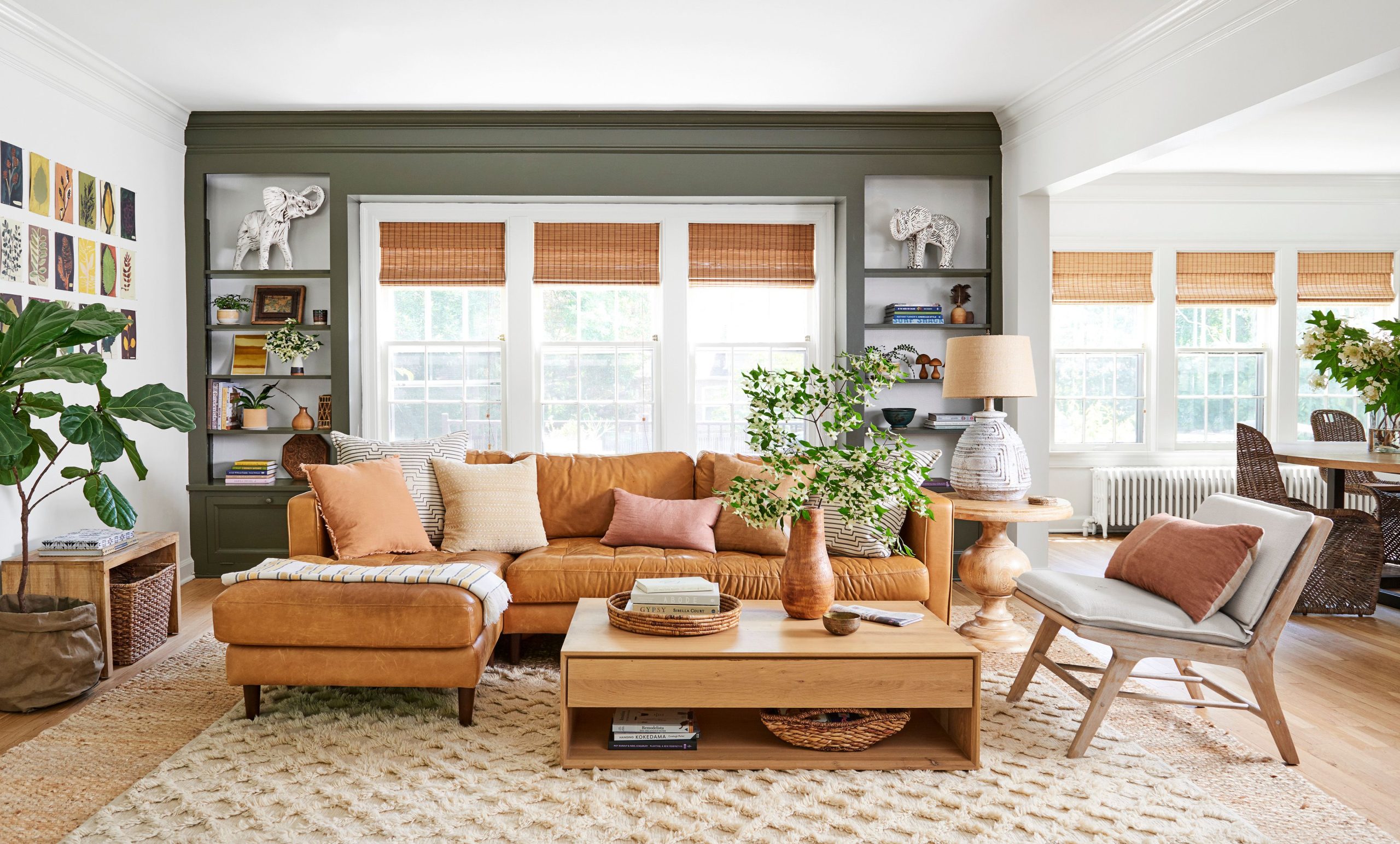
Heavy drapes can make a room feel closed off and somber. Instead, opt for sheer and light-colored curtains in soft neutrals like linen white or pale sage. These fabrics allow sunlight to filter through beautifully, creating a diffused, warm ambiance that is gentle on the eyes.
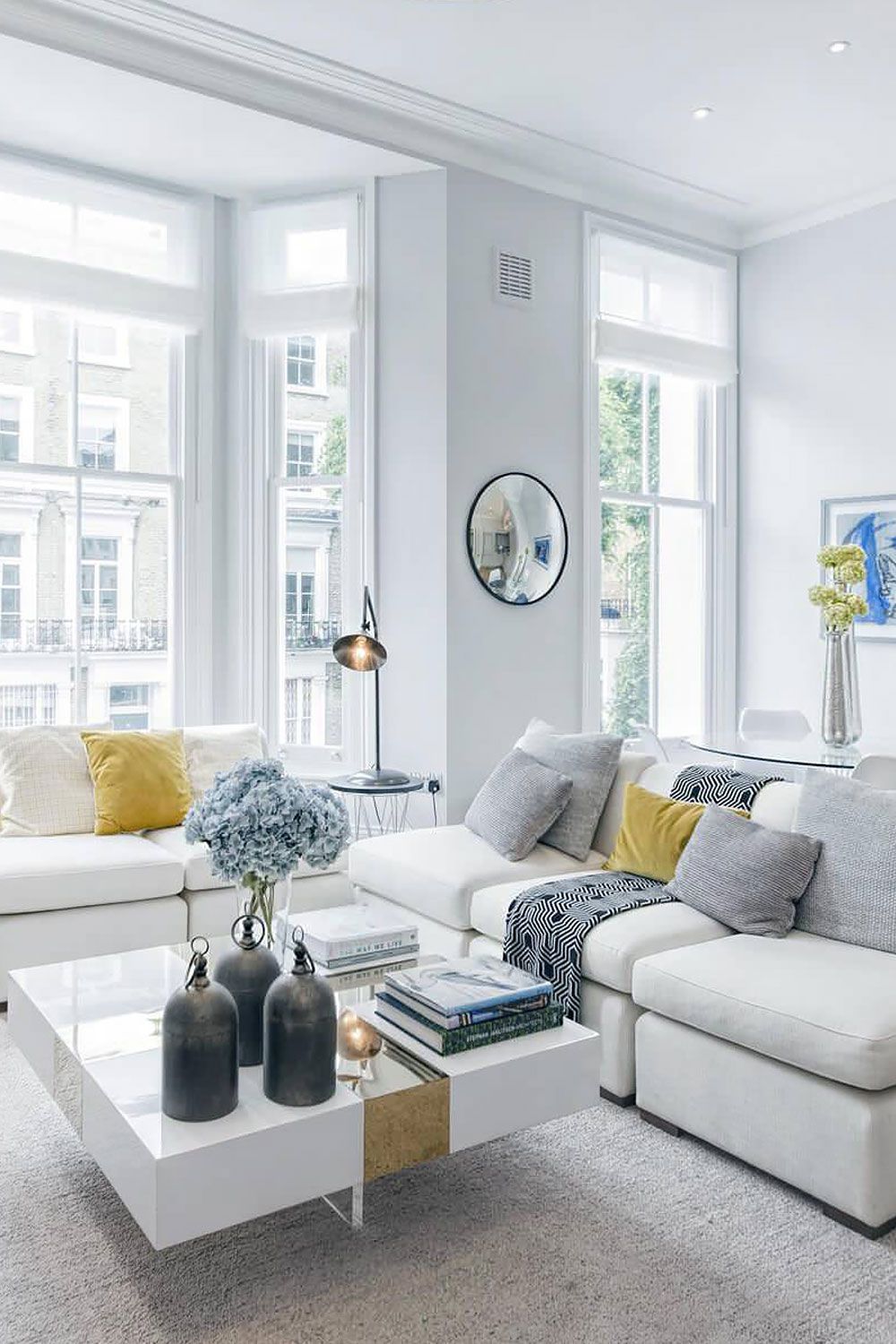
Color plays a massive role in how we perceive light. A soft white color palette is the foundation of a bright space. However, in 2026, designers are moving away from sterile "hospital white" toward creamy hues and cool tones that add dimension. Different shades of white reflect light differently; creamy whites absorb slightly less glare, making them perfect for living areas, while crisp cool tones work well in kitchens and bathrooms where hygiene and clarity are paramount.
Glass Partitions and Visual Flow
Visual barriers are the enemy of spaciousness. Replacing solid walls with glass doors and partitions allows light to travel freely between rooms. This is especially popular in modern open-concept homes where the kitchen flows into the dining area.
If privacy is a concern, utilize frosted or textured glass. This material offers seclusion without sacrificing brightness, making it ideal for home offices or indoor sunrooms. In dense urban environments, these glass elements maintain the connection to the outdoors while providing necessary separation, ensuring your home feels airy regardless of its location.
Infusing Life Through Biophilic Design
The concept of Biophilic Design—integrating nature into the built environment—is no longer a trend; it is a necessity for mental health in 2026. Studies consistently show that exposure to nature lowers stress levels and boosts cognitive function. Making your home feel better starts with bringing the outside in.
Indoor Greenery as Air Purifiers
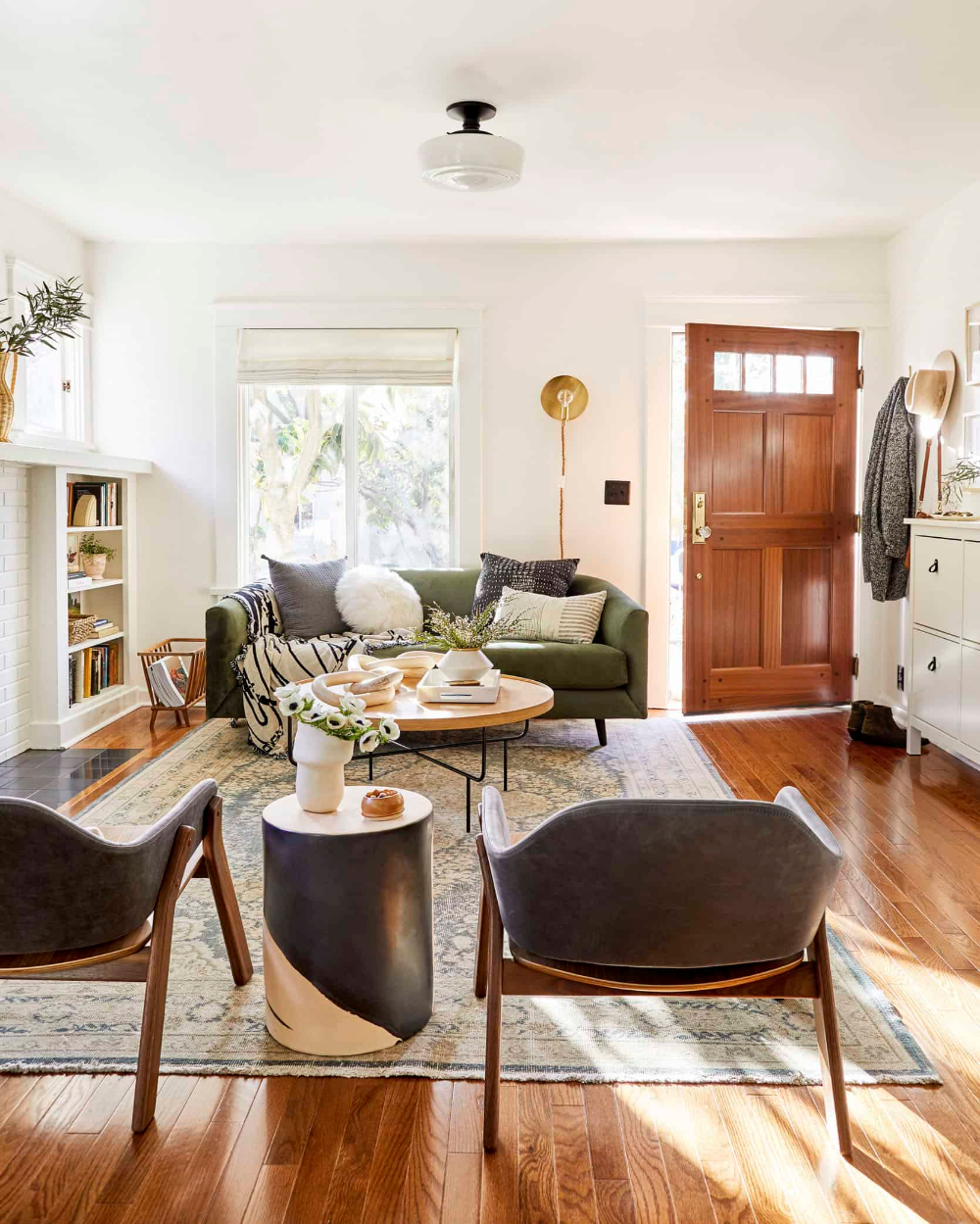
Incorporating indoor plants instantly breathes life and freshness into a space. In 2026, the focus has shifted to air-purifying plants that double as decor. Species like snake plants, peace lilies, and ZZ plants are top choices because they thrive indoors and improve air quality effortlessly.
For busy professionals who lack time for gardening, low-maintenance options like pothos or trailing vines are excellent. They can be hung in cascading displays or placed on floating shelves to add vertical interest. These green elements do more than look pretty; they regulate humidity and reduce airborne toxins, creating a healthier breathing environment for you and your family.
Organic Textures and Materials
Nature-inspired design extends beyond plants to the materials used in construction and furniture. Embrace organic materials such as reclaimed wood, stone, and jute. These textures add warmth and a tactile richness that synthetic materials often lack.
Consider using rattan furniture or woven rugs to introduce earthy patterns. In spaces designed for relaxation, such as bedrooms or reading nooks, these natural fibers ground the room and evoke a sense of calm. The combination of rough stone accents with smooth wood grains creates a dynamic visual texture that keeps the eye engaged and the spirit uplifted.
Creating a Jungle Courtyard Escape
For those with access to balconies or patios, transforming these outdoor extensions into a Jungle Courtyard is a transformative idea. Blurring the line between indoors and out creates a secret garden atmosphere within the city limits.
Imagine patterned Moroccan-style floor tiles leading to a seating area surrounded by lush greenery dripping from above. Vertical gardens creeping across slatted pergolas filter golden light over woven pendants and macramé art. This balance of lushness and structure invites slow mornings with coffee and evening breezes with a book. It is a place that smells like jasmine and feels like a Mediterranean villa, offering a retreat from the urban hustle right in your backyard.
Elevating Ambiance with Bold Accents and Lighting
While neutral bases provide stability, it is the bold accents and statement lighting that give a room its personality and energy. In 2026, homeowners are encouraged to break free from safe, beige-only palettes and embrace colors and shapes that reflect their unique stories.
The Power of Bold Accent Walls
A bold accent wall can transform any space instantly. By choosing dramatic color combinations or unique textures, you create a focal point that energizes the room. Consider materials like textured wallpaper, reclaimed wood paneling, or vibrant paint strokes.
These elements not only enhance decor but also reflect your personality. For instance, a deep emerald green accent wall in a home office can stimulate creativity, while a warm terracotta feature in a dining area adds sophistication. The key is to choose a wall that naturally draws the eye, such as the one behind a sofa or bed, and fill it with character.
Statement Lighting Fixtures as Art
Lighting fixtures in 2026 serve a dual purpose: they are functional tools and functional art pieces. Forget basic ceiling lights; think sculptural chandeliers, pendant clusters, and unique sconces that elevate the entire design.
In dining rooms, a striking chandelier acts as a centerpiece, drawing guests together. In kitchens, pendant lights offer both style and practicality over islands. Choose bold designs or unexpected shapes to truly make a statement. Whether it's a geometric brass fixture or a flowing organic form, the right light can change the mood of a room from utilitarian to luxurious in seconds.
Warm Tones for Cheerful Energy
Color psychology dictates that certain hues naturally uplift the mood. Soft yellows, peach, and light terracotta create a naturally cheerful ambiance. These tones bring warmth and energy to dining areas, nurseries, and entryways.
Unlike cold blues which can feel distant, warm tones foster connection and comfort. They are perfect for spaces where people gather, ensuring that conversations flow easily and spirits remain high. Integrating these colors through paint, textiles, or accessories allows you to inject sunshine into even the darkest corners of your home.
Maximizing Functionality with Multi-Use Furniture
As living spaces become smaller and lifestyles more dynamic, the ability to adapt a room for multiple purposes is crucial. Multi-functional furniture is the backbone of modern home design, allowing a single room to serve as an office, gym, guest suite, or entertainment hub without feeling cluttered.
Smart Zoning and Flexibility
The concept of smart zoning involves dividing a large room into distinct areas without building walls. Use area rugs, lighting changes, or furniture arrangement to define a workspace within a living room or a dining area within a hallway.
Furniture that folds, expands, or transforms is essential. Consider a ** Murphy bed** hidden behind a bookshelf for guest rooms, or a desk that folds down from a wall when not in use. In cities where real estate prices are astronomical, maximizing utility means every square foot counts. This approach ensures your home remains versatile as your needs evolve from single occupancy to family living.
Reflective Finishes for Sleek Efficiency
To keep multi-use rooms feeling open, incorporate reflective finishes and metallic accents. Lacquered furniture, glossy tiles, and metallic surfaces bounce light around the room, preventing it from feeling cramped even when filled with various items.
These materials work particularly well in modern kitchens and compact home offices. A glossy countertop reflects task lighting, reducing shadows and eye strain. Similarly, a mirrored side table can visually double the size of a small nightstand area. By using these sleek, high-tech materials, you maintain a sense of order and spaciousness amidst functional chaos.
Curated Clutter-Free Zones
Finally, functionality relies on curated clutter-free zones. Even the most multifunctional room can feel chaotic if there is nowhere to put everyday items. Invest in smart storage solutions that hide away daily essentials.
Built-in shelving with hidden compartments keeps toys, books, and tech gadgets out of sight. In entryways, custom mudroom shelving provides a dedicated spot for coats and shoes, preventing clutter from spreading into the main living areas. When everything has a place, the room feels organized, calm, and ready for whatever activity comes next.
Cultivating Psychological Well-being Through Design
Interior design is deeply psychological. The way a room is arranged can influence your mood, productivity, and sense of security. In 2026, designers are prioritizing psychology-backed ideas to ensure homes feel genuinely good to inhabit.
Views and Stress Reduction
Ever feel better just by looking out at nature? It's because our brains evolved outdoors, and even a view of trees or sky lowers stress. Arrange your furniture to face windows whenever possible. If a direct view isn't available, use mirrors to double natural views, effectively expanding your horizon and connecting you to the outside world.
This principle is vital for rooms used for relaxation, such as bedrooms and bathrooms. Positioning a bathtub or a reading chair to overlook a garden or a skyline can turn a mundane moment into a restorative experience. The brain interprets these views as safety and vitality, instantly lowering cortisol levels.
Harmony and Feng Shui Principles
Integrating Feng Shui principles can enhance the flow of energy, or "chi," throughout your home. Avoid placing beds or desks directly under beams or in direct lines with doors, as these positions can create subconscious tension.
Instead, aim for a layout that allows for easy movement and clear sightlines. Symmetry often brings a sense of balance and peace, while asymmetry can add dynamic energy depending on the room's purpose. By aligning your furniture with these ancient yet scientifically supported guidelines, you create a space that supports your physical and emotional well-being.
Sensory Comfort and Texture
The final element of a feel-good home is sensory comfort. This goes beyond visuals to include touch, sound, and smell. Soft textures like plush rugs, velvet cushions, and chunky knit throws invite you to relax and unwind.
Acoustic treatments, such as heavy drapes or acoustic panels, can dampen noise pollution, creating a quiet sanctuary in noisy neighborhoods. Additionally, incorporating natural scents through candles or essential oil diffusers can trigger positive memories and calm the nervous system. When all senses are catered to, the room ceases to be just a structure and becomes a true haven.
Conclusion: Designing Your Dream Home in 2026
Transforming your home into a space that makes every room feel better is an ongoing journey of self-discovery and creative expression. In 2026, the most successful designs are those that blend natural elements, strategic lighting, and intelligent functionality to support the human experience. Whether you are updating a single bedroom or renovating an entire floor, the goal remains the same: to create an environment that lifts your spirit and enhances your daily life.
Remember that small changes yield big results. Swapping heavy curtains for sheer ones, adding a few strategic plants, or introducing a bold accent wall can shift the entire vibe of a room. As you plan your projects, keep in mind that your home should tell your story, reflect your values, and provide a refuge from the world outside. With the right design ideas, every room can become a masterpiece of comfort and style. Start today, and watch your home transform into the sanctuary you've always dreamed of.
Frequently Asked Questions (FAQ)
Q: What is the best color scheme for making a small room feel larger?
A: The most effective strategy is using a soft white or light neutral palette combined with large mirrors. Light colors reflect more light, making walls appear to recede, while mirrors double the visual space. Avoid dark, heavy colors on large surfaces, as they can make a room feel enclosed.
Q: How can I improve the lighting in a room with no natural light?
A: To brighten a windowless room, layer your lighting sources. Use statement lighting fixtures like chandeliers or pendant lights as the primary source, supplemented by floor lamps and table lamps. Incorporate reflective finishes on furniture and walls to bounce artificial light around. You can also install solar tubes or skylights if structural modifications are possible.
Q: Are indoor plants necessary for a healthy home in 2026?
A: While not strictly mandatory, indoor plants are highly recommended for improving air quality and reducing stress. Plants like snake plants and peace lilies are excellent choices for filtering toxins. If you have limited time, opt for low-maintenance varieties like ZZ plants or pothos to reap the benefits without the upkeep.
Q: What is the role of accent walls in modern design?
A: Bold accent walls serve as focal points that inject energy and personality into a room. They break up monotony and guide the eye. In 2026, accent walls can feature textured wallpaper, reclaimed wood, or vibrant paint colors that reflect your personal style, turning a plain room into a memorable space.
References
- Houzz — Top Home Design Trends Defining How We'll Live in 2026, 2026
- Redfin — 28 Interior Design Tips to Make Your Home Feel Effortless and Stylish, 2026
- Symboleo — 40 Creative Home Interior Design Ideas for Every Room, April 2026
- TheCoolist — 25 Home Interior Design Ideas That Redefine Modern Living in 2025, November 2025
- Redesign — 12 Psychology-Backed Ideas for a Feel-Good Home, 2026
- BHG — 37 Modern Living Room Ideas for a Contemporary Refresh, 2026
- Pinterest — 10 Ways to Make Your Living Room Look Better for Free, 2026
- Emily Henderson Interiors — How To Make Your Living Room Look Better: The 7 Dos and Don'ts, 2026