
Your home is no longer just a place to sleep; it has evolved into your primary sanctuary for work, relaxation, and personal growth. In 2026, the definition of comfort has shifted from mere aesthetics to holistic wellness. With rising urbanization and the integration of smart technology, creating a personalized sanctuary that actively supports your mental and physical health and promotes stress-free living is more critical than ever. Whether you are a homeowner in Austin looking to upgrade your living room or a renter in Chicago seeking warmth during harsh winters, the principles of creating a haven remain universal yet adaptable.
The year 2026 marks a distinct departure from rigid design rules. Instead, we see a surge in "adaptive comfort"—spaces that breathe with you. Experts agree that the most comfortable homes are those that reflect your unique personality while utilizing the latest innovations in lighting, textiles, and air quality. This guide explores the best ways to make your home more comfortable, blending timeless interior design wisdom with cutting-edge 2026 trends to ensure your living space is not just beautiful, but truly restorative.
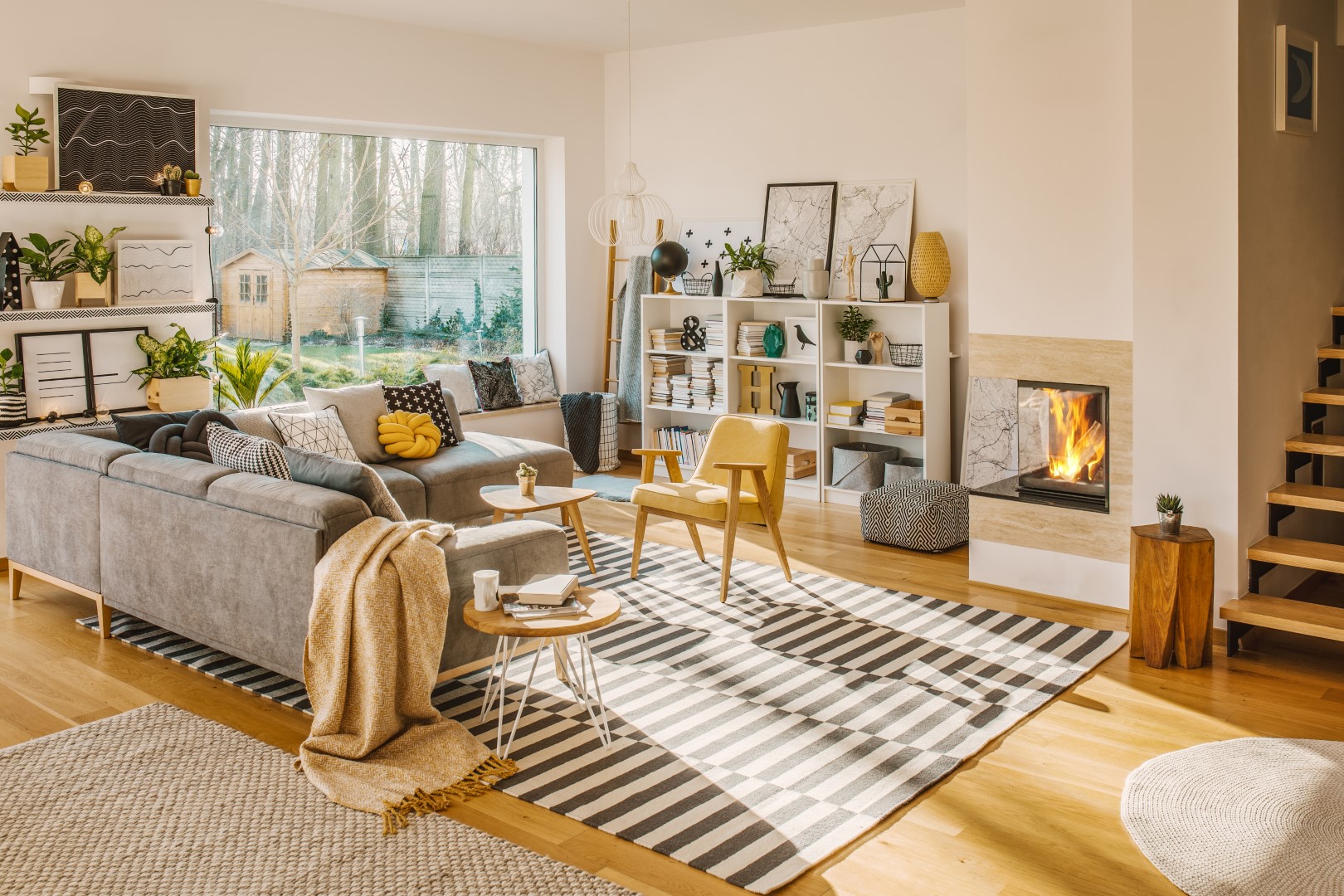
Mastering the Art of Adaptive Lighting Design
Lighting is the invisible architect of your home's atmosphere. In 2026, the concept of "one size fits all" lighting is dead. Harsh, overhead fluorescent lights that mimic an office environment have been replaced by layered lighting schemes designed to regulate circadian rhythms, mood, and contribute to creating a calming atmosphere.
The Power of Layered Illumination
To achieve true comfort, you must layer your light sources. Relying solely on ceiling fixtures creates a sterile, uninviting feel. Instead, experts recommend combining three distinct layers:
- Ambient Lighting: This provides the base level of illumination. In 2026, this often involves smart dimmable ceilings that automatically adjust brightness based on the time of day.
- Task Lighting: Focused light for reading, cooking, or working. Think adjustable floor lamps beside your armchair or under-cabinet LEDs in the kitchen.
- Accent Lighting: This adds depth and drama, highlighting artwork, bookshelves, or architectural features using warm LED strips or decorative sconces.
Smart Lighting Systems
Technology has made customization effortless. By 2026, IoT-enabled lighting systems are standard in comfortable homes. These allow you to control ambiance with a simple tap on your smartphone or via voice commands. You can program scenes such as "Morning Wake Up," which simulates a sunrise, or "Movie Night," which dims the lights to a cozy amber glow. Studies suggest that adjusting color temperature throughout the day significantly improves sleep quality and reduces stress levels.
Switching to Warm Tones
One of the simplest yet most effective changes you can make is swapping cool white bulbs (5000K+) for warm white bulbs (2700K–3000K). Cool tones can feel clinical and anxiety-inducing, whereas warm tones create an immediate sense of intimacy and safety. Consider adding string fairy lights or candle-style LEDs to corners where harsh shadows might otherwise form. This softens the edges of the room and makes even small spaces feel expansive and welcoming.
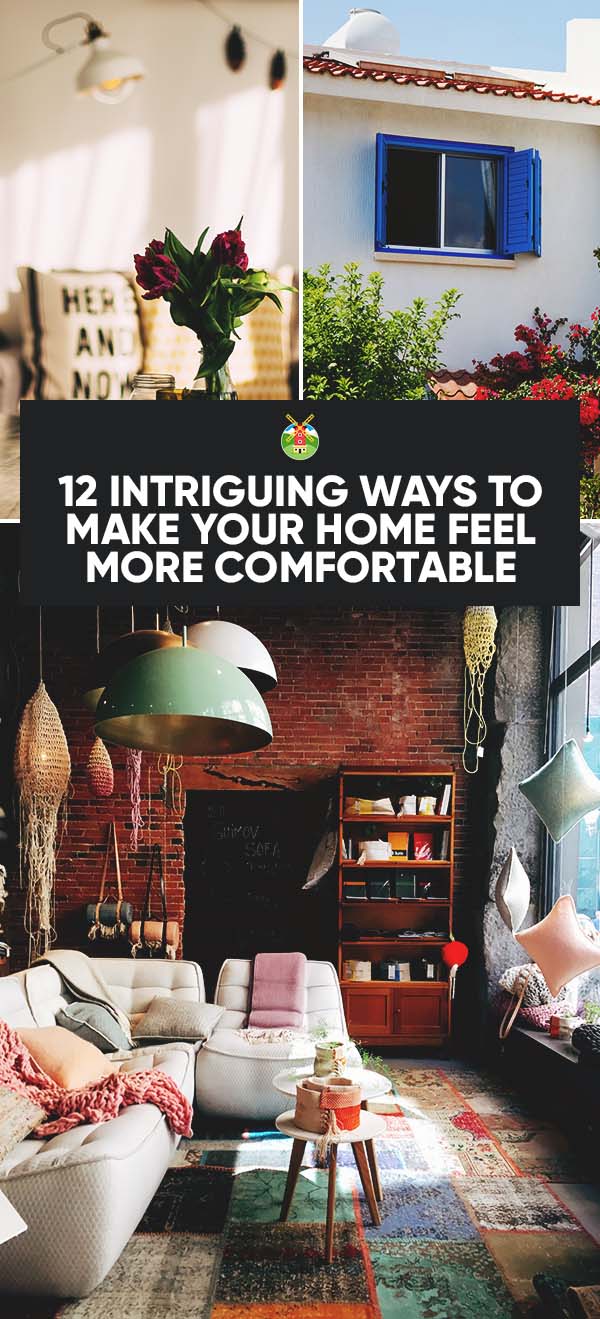
Textures That Tell a Story: The触觉 Revolution
If lighting sets the mood, soft furnishings and textiles set the tone. In 2026, there is a massive movement toward tactile luxury. We are moving away from synthetic materials that feel cold and plastic-like toward natural, breathable fabrics that invite touch.
Embracing Natural Fibers
When choosing soft furnishings and textiles for your home, prioritize organic cotton, wool, linen, and silk. These materials are not only durable but also thermoregulating, keeping you cool in summer and warm in winter.
- Throw Blankets: Drape a chunky knit throw over the back of your sofa or fold a plush fleece blanket at the foot of your bed. This adds an instant layer of warmth and visual interest.
- Rugs: A high-quality area rug defines a seating area and softens hard flooring. Look for low-pile wool rugs for high-traffic areas and high-pile shag rugs for bedrooms where you want to sink your feet in.
The Psychology of Texture Mixing
Comfort is often about contrast. A room filled with only smooth surfaces can feel flat. To create a cozy retreat, mix textures deliberately. Pair a sleek, modern velvet cushion with a rough-hewn wooden side table, or stack a soft faux-fur pillow against a crisp linen sheet. This interplay of smooth, bumpy, fuzzy, and structured elements creates a dynamic environment that feels curated and lived-in.
Seasonal Swaps for Year-Round Comfort
Don't let your decor be static. Adapt your textiles to the seasons to maintain optimal comfort:
- Summer: Opt for crisp cotton sateen sheets and lightweight linen throws. Keep windows open for cross-breezes, using sheer curtains that filter sunlight without blocking views.
- Winter: Switch to flannel sheets, heavy wool blankets, and thicker rugs. Add fuzzy bath mats to your bathroom to prevent slipping on cold tiles after a shower.
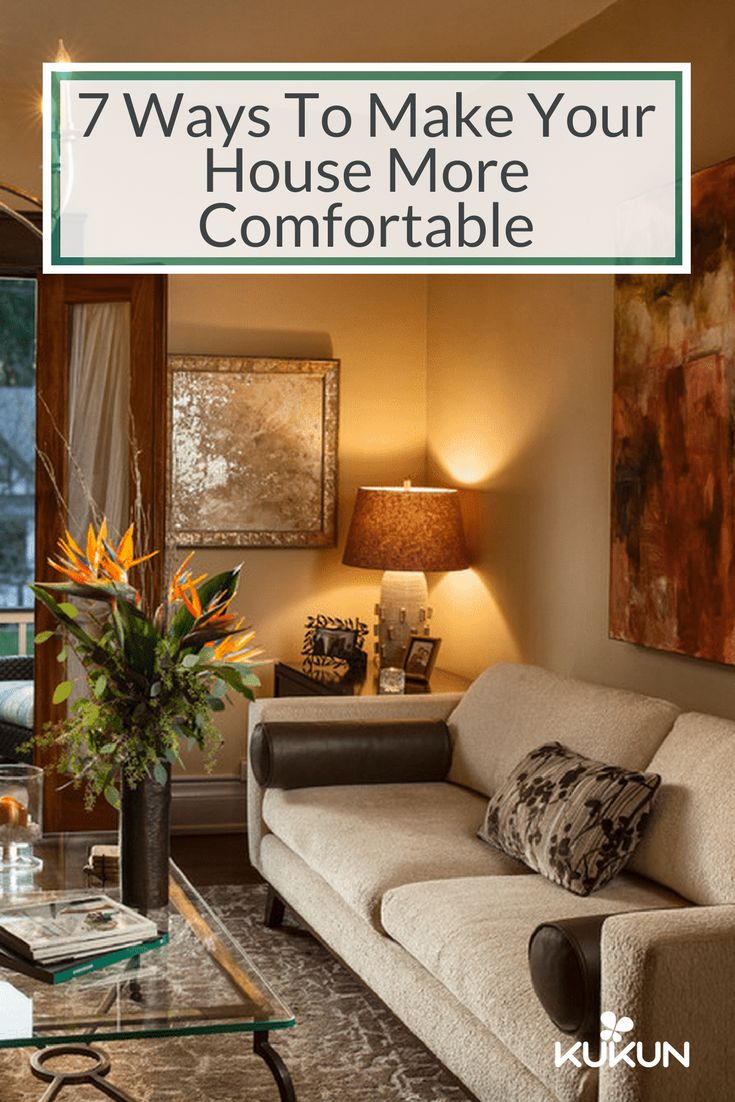
Color Psychology and Creating Serene Environments
The colors you paint your walls and choose for your furniture play a profound role in your emotional state. In 2026, the trend leans heavily towards earthy neutrals and soothing pastels that act as a visual anchor in a chaotic world.
The Rise of Earth Tones
Bold, neon colors are out; warm, grounding earth tones are in. Shades of terracotta, sage green, warm beige, and soft clay are dominating 2026 interiors. These colors mimic the natural world, triggering a biological response that lowers cortisol levels. For example, painting a bedroom in a muted sage green can promote deeper sleep, while a living room in warm terracotta encourages social connection and conversation.
Strategic Use of Color
You don't need to repaint the entire house to change the vibe. Use color strategically to accentuate features:
- Accent Walls: Paint the wall behind your bed or the focal point of your living room in a deep, rich hue to create a sense of enclosure and security.
- Accessories: If you aren't ready for a full paint job, introduce color through throw pillows, artwork, and vases. This allows for easy updates as trends shift without the cost of renovation.
Balancing Neutrals with Pops
While neutral palettes provide the calm foundation, they shouldn't be boring. Incorporate pops of vibrant color through seasonal flowers, bold ceramics, or abstract art. This prevents the space from feeling monotonous and keeps the energy lively. The key is balance: 80% neutral base with 20% expressive color accents.
Decluttering and Reorganizing for Mental Clarity
A cluttered home is a cluttered mind. In 2026, minimalism isn't about having nothing; it's about having only what brings you joy and utility. Excess belongings create visual noise that increases stress and makes cleaning difficult.
The One-Year Rule
Start decluttering by asking yourself a simple question: "Have I used this in the last year?" If the answer is no, it's likely time to let it go. This applies to clothes, gadgets, kitchen gadgets, and sentimental items. Be ruthless but kind; if an item doesn't serve a purpose or spark joy, donate it to charity or pass it to someone who will appreciate it.
Zoning and Functional Organization
Once you've cleared the excess, reorganize your space to maximize flow and achieve a functional layout. Create dedicated zones for specific activities:
- The Entryway: Keep shoes, bags, and coats organized in stylish baskets or hooks to reduce morning chaos.
- The Kitchen: Utilize vertical storage and clear containers to keep countertops clear. A clean counter equals a clean mind.
- The Living Room: Ensure there is enough walking space around furniture, paying attention to ergonomic design for seating and workspaces. Crowded rooms feel cramped and stressful.
Digital Declutter
Comfort extends to your digital life as well. In an increasingly connected world, digital minimalism is a vital component of home comfort. Reduce screen clutter by organizing files, unsubscribing from unnecessary emails, and creating a dedicated workspace free from distractions. A tidy digital environment translates to a calmer physical one.
Integrating Biophilic Design and Air Quality
Nature is the ultimate comforter. Biophilic design—the incorporation of natural elements into built environments—is a cornerstone of 2026 home comfort. Connecting with nature indoors has been proven to improve air quality, boost mood, and enhance cognitive function.
Bringing the Outdoors In
You don't need a garden to practice biophilic design. Simple additions like houseplants can transform a room. Plants like snake plants, pothos, and peace lilies are excellent for air purification, removing toxins like formaldehyde and benzene.
- Wood Elements: Incorporate wooden furniture, bamboo shelves, or stone accents to bring warmth and texture.
- Natural Light: Maximize natural light exposure and ensure natural ventilation during the day. Open your curtains wide and keep windows clean to let the sun in and allow fresh air to circulate.
Advanced Air Filtration
In 2026, indoor air quality (IAQ) management is non-negotiable for comfort. Dust, pollen, and volatile organic compounds (VOCs) can linger in homes, causing fatigue and allergies. Invest in high-quality HEPA air purifiers with smart sensors that automatically adjust filtration based on real-time air quality data. Many modern units also feature humidification/dehumidification controls to maintain optimal thermal comfort and the ideal relative humidity (40-60%) for respiratory health and skin comfort.
Scent Therapy
Scent is a powerful trigger for memory and emotion. Use essential oil diffusers or high-quality candles to infuse your home with calming scents like lavender, eucalyptus, or sandalwood. Avoid synthetic fragrances, which can irritate sensitive noses. Instead, opt for natural wax blends that release aroma gently without smoke.
Optimizing Outdoor Living Spaces
Your home should extend beyond the four walls. In 2026, outdoor living areas are treated as essential extensions of the indoor living room. Whether you have a sprawling backyard in suburban Texas or a tiny balcony in downtown Seattle, maximizing this space boosts your property value and lifestyle enjoyment.
Creating an Outdoor Lounge
Transform your patio or deck into a cozy oasis. Invest in weather-resistant comfortable seating with plush cushions and UV-blocking fabrics. Add a fire pit or an outdoor heater to extend usability into cooler evenings. Soft outdoor string lights or lanterns create a magical ambiance once the sun goes down, encouraging family gatherings and quiet reflection.
Green Roofs and Vertical Gardens
For those with larger properties, consider installing a green roof or a vertical garden wall. These features not only improve insulation and reduce energy costs but also provide a direct connection to nature right outside your door. They act as natural sound barriers, contributing to acoustic comfort and reducing noise pollution from traffic or neighbors.
Sustainable Maintenance
Comfort also means sustainability. Use eco-friendly cleaning products for your outdoor spaces and install rainwater harvesting systems to water your plants efficiently. A home that cares for the planet ultimately provides a healthier environment for its inhabitants.
Budget-Friendly Hacks for Instant Impact
Making your home comfortable doesn't require a major renovation budget. Small, thoughtful adjustments can yield massive returns in terms of perceived comfort and style.
The Magic of Mirrors
Strategically placed mirrors can double the amount of light in a room and make small spaces feel larger. Hang a large mirror opposite a window to reflect natural light across the room. Choose frames that match your decor style, whether it's ornate gold for a vintage look or sleek black metal for a modern vibe.
Swap Hardware and Fixtures
Update the details! Changing cabinet handles, doorknobs, and light switch plates can completely refresh a kitchen or bathroom without the cost of new cabinets or plumbing. Look for finishes like brushed brass, matte black, or warm nickel to add a touch of elegance.
Upgrade Bedding
Your bedroom is where you spend a third of your life. Swap your standard cotton sheets for higher thread-count linen or bamboo blends for a hotel-like experience. Add a weighted blanket for anxiety relief or a heated mattress pad for winter warmth. These small upgrades can drastically improve your sleep quality.
Conclusion: Your Journey to a Personal Sanctuary
Creating a personalized sanctuary that feels truly comfortable is an ongoing journey of self-discovery and refinement. It is about curating a space that reflects your values, supports your well-being, and invites you to slow down, fostering stress-free living. By focusing on layered lighting, luxurious textures, calming colors, and biophilic elements, you can transform any dwelling into a sanctuary.
Remember, the best home is not the one with the most expensive furniture, but the one where you feel most at ease. Start small—swap a light bulb, add a plant, or declutter one drawer—and watch how these changes ripple through your daily life. In 2026, comfort is the ultimate luxury, and it starts right here, in your own space.
Frequently Asked Questions (FAQ)
Q: How can I make my rental apartment feel more comfortable without making permanent changes?
A: Focus on non-permanent upgrades like removable wallpaper, peel-and-stick backsplashes, and tension rod shelving. Layering rugs, using command hooks for decor, and investing in portable floor lamps are excellent ways to enhance comfort without violating lease agreements.
Q: What is the most important factor for a comfortable home in 2026?
A: While aesthetics matter, optimal thermal comfort and indoor air quality are paramount. A home that feels stuffy or has poor air circulation will never feel comfortable, regardless of how nice the decor looks. Prioritize ventilation and smart climate control systems.
Q: How does lighting affect my mood and comfort?
A: Lighting directly impacts your circadian rhythm. Cool, bright light suppresses melatonin and keeps you alert, while warm, dim light signals your body to relax. Using dimmers and varying light temperatures throughout the day can significantly reduce stress and improve sleep.
Q: Are smart home devices necessary for a comfortable home?
A: Not strictly necessary, but highly recommended for convenience and efficiency. Smart thermostats, automated blinds, and voice-controlled lighting can maintain optimal comfort levels automatically, saving you energy and effort.
Q: What role do plants play in home comfort?
A: Plants improve air quality by filtering toxins and increasing humidity. Visually, they add life and color, reducing stress and creating a connection to nature that grounds the mind.
References
- Homes and Gardens — Expert-approved tips for creating a cozy sanctuary, 2025
- Real Simple — 15 tiny ways to cozy up your home for the season, 2026
- One Frugal Girl — 8 Ways to Make Your Home More Comfortable Without Breaking the Bank, 2025
- Cozy DIY Home — 50 Genius Home Hacks to Make Your Space Cozy in 2026, December 2025
- Fix It Homestead — 10 ways to make your house feel more comfortable, according to experts, August 2025
- Morning Chores — 12 Intriguing Ways to Make Your Home Feel More Comfortable, 2026
- Sealed — 11 unexpected ways to create a comfortable home, 2025
- Houzz — 25 Home Design Trends Defining How We'll Live in 2026, 2025
- San Diego Magazine — Strategic use of color to enhance home features, 2025
- Good Housekeeping — The science of selecting the right pillow for restful sleep, 2025