
Living in a cluttered, disorganized house is not only uncomfortable; it can actively affect your financial and mental well-being. According to a 2025 survey from Storable, 71 percent of Americans reported repurchasing an item when they couldn't find the one they had initially bought, leading to unnecessary expenses that add up over time. Furthermore, 74 percent of those surveyed experience stress and anxiety when confronted with cluttered areas of their homes. Yet, while we know that clutter isn't good for us, not everyone has the time or energy to spend hours on end sprucing up their digs. Fortunately, you can tidy up your house—and boost comfort and style while you're at it—with little tasks that take minimal effort. This comprehensive guide offers actionable strategies tailored for 2026, ensuring your home remains a sanctuary of order and beauty.
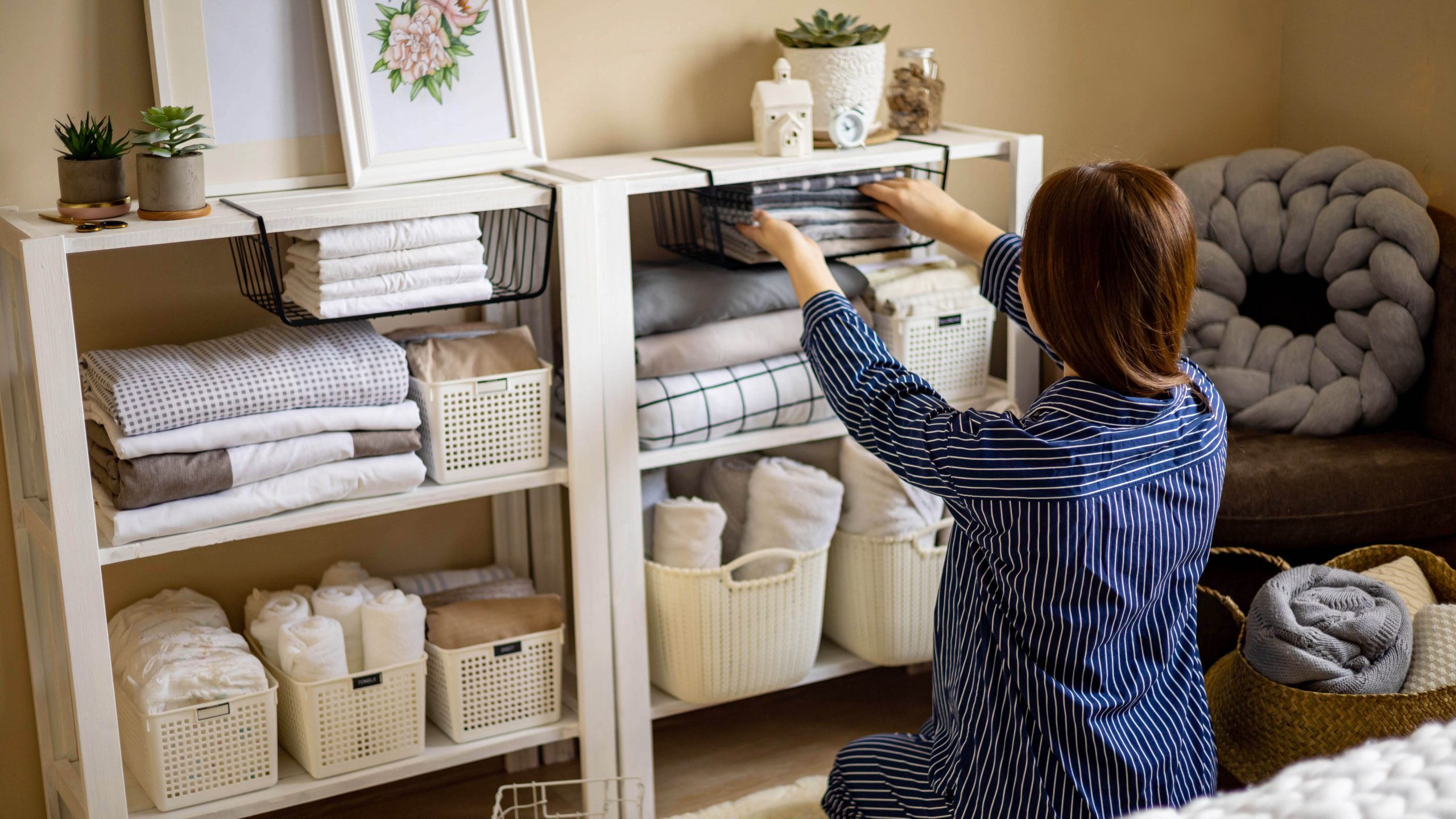
The modern approach to home organization in 2026 moves away from rigid perfectionism toward flexible systems that adapt to your lifestyle. Whether you live in a bustling city like Chicago, a historic neighborhood in Savannah, or a suburban haven in Austin, the principles of decluttering and styling remain universal. By implementing smart storage solutions and maintaining consistent habits, you can transform any space into a functional masterpiece. This article provides a deep dive into the most effective methods for keeping your home organized and beautiful, drawing from the latest trends and expert insights for the year ahead.
Mastering the Art of Decluttering Before You Decorate
Before you even think about buying new decorative pieces or organizing shelves, you must address the foundation of your home: clutter. Clutter is often the silent thief of tranquility, blocking pathways and creating visual noise that stresses the mind. In 2026, the prevailing philosophy is "declutter first, decorate second." This means removing items that do not serve a purpose or bring joy before attempting to arrange what remains.
The Psychology of Clear Surfaces
Visual clutter competes for your brain's attention, leading to decision fatigue. When every surface is covered in mail, toys, or miscellaneous gadgets, your brain struggles to focus. To combat this, adopt the "one-in, one-out" rule. For every new item you bring into your home, you must remove an existing one. This simple habit prevents accumulation and keeps your inventory manageable. If you live in a high-density urban area where space is premium, this rule becomes even more critical to maintaining livable square footage.
The Four-Box Method for Rapid Sorting
One of the most effective techniques for tackling overwhelming piles is the Four-Box Method. Grab four containers labeled Keep, Donate, Sell, and Trash. Go room by room, picking up every item and placing it in one of these boxes immediately. Do not hesitate; if you aren't sure, put it in the "Maybe" box and set a timer for two weeks. If you don't open the "Maybe" box within that timeframe, donate or discard those items. This method creates immediate momentum and gives you a clear picture of what you actually own versus what you merely accumulate.
Strategic Room-by-Room Organization Systems
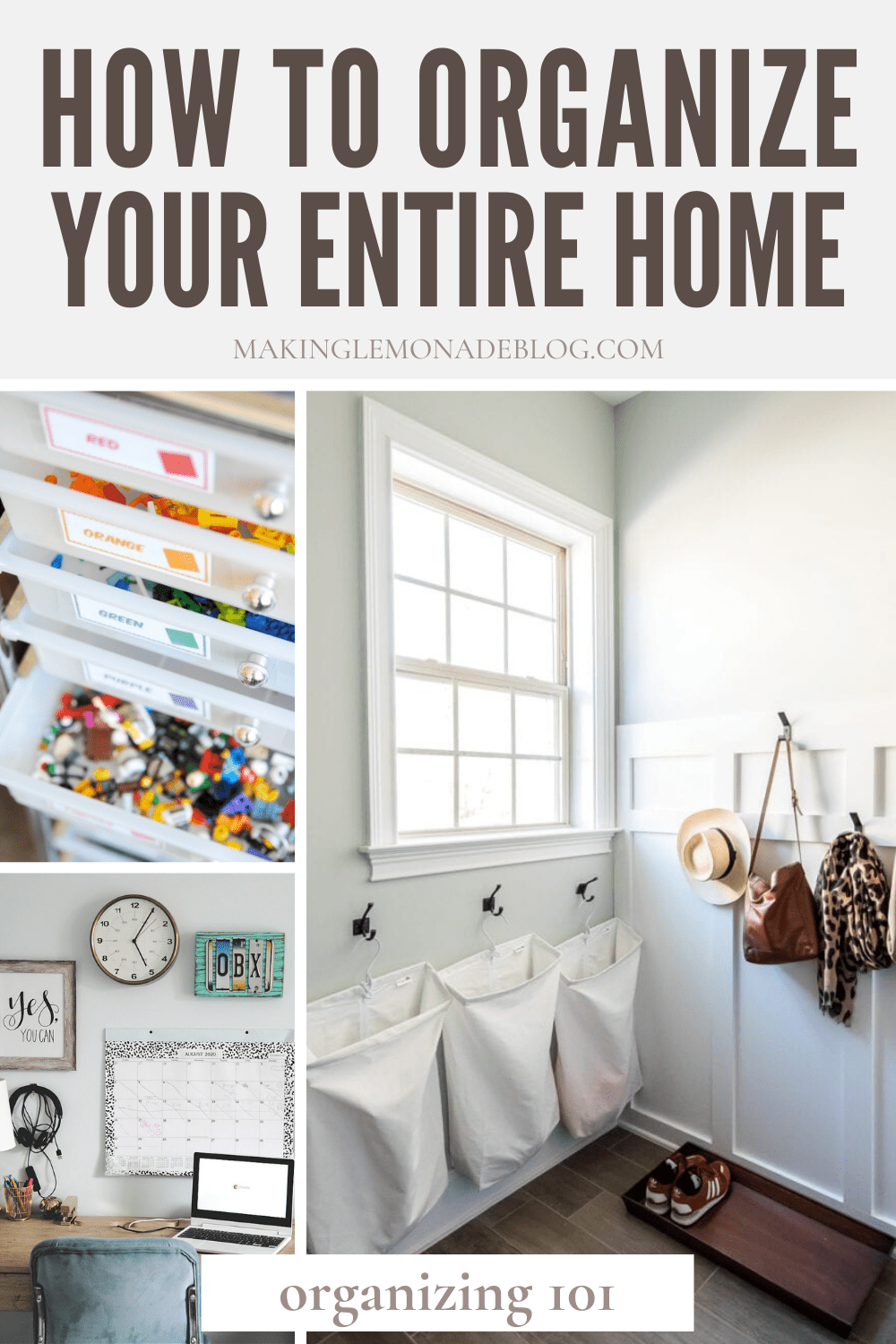
A truly beautiful home is built on specialized systems designed for each specific room's unique needs. Generic storage solutions rarely work because kitchens, bathrooms, and bedrooms have vastly different flow patterns and usage frequencies. In 2026, successful organizers utilize room-specific blueprints to maximize efficiency.
Kitchen Efficiency: The Heart of the Home
The kitchen is often the most chaotic room, yet it requires the highest level of organization due to the frequency of use. Start by clearing out expired foods and grouping similar items together. Use glass food canisters for dry goods like flour, sugar, and pasta; not only do they look elegant, but they also protect contents from pests and moisture. Add pantry labels to every bin and jar so anyone in the household knows exactly where items belong.
For vertical space, install pull-out shelves under the sink to utilize dead space effectively. Consider using rolling carts that can be tucked away when not in use but provide instant access to cleaning supplies or baking tools. A spice bottle organizer mounted on the inside of a cabinet door can free up valuable counter space. Remember, a clean countertop is essential for cooking; aim to keep only daily essentials out, storing everything else in cabinets or drawers.
Bathroom Sanctuary: Maximizing Small Spaces
Bathrooms often suffer from a lack of storage, especially in older homes or smaller apartments. The key here is vertical expansion. Install floating shelves above the toilet or vanity to display decorative canisters filled with cotton balls, Q-tips, or towels. These shelves add visual interest without taking up floor space.
Invest in a 3-tier rolling cart that can slide under the sink or move to the shower area as needed. For countertops, use a vanity organizer specifically designed to hold toothbrushes, makeup brushes, and skincare products neatly. If you have limited drawer space, use expandable trays to divide compartments efficiently. In 2026, many homeowners are also opting for hidden medicine cabinets disguised as wall art, which provide ample storage while maintaining a sleek, minimalist aesthetic.
Living Areas: Function Meets Fashion
The living room should be a balance of relaxation and utility. Start by defining zones: a reading nook, a media center, and a conversation area. Use storage baskets with handles to corral remotes, blankets, and magazines. Wicker or woven textures add warmth and texture, aligning with current design trends.
For entertainment centers, cable management is non-negotiable. Use cable sleeves or hidden channels to ensure wires are invisible, preserving the clean lines of your furniture. Bookshelves should be curated rather than stuffed; choose books you love and display them vertically alongside decorative objects. This creates a gallery-like feel that reflects your personal style. In cities like New York or London, where living spaces are compact, utilizing multi-functional furniture with hidden storage is essential for maintaining an organized appearance.
Leveraging Technology and Smart Storage Solutions
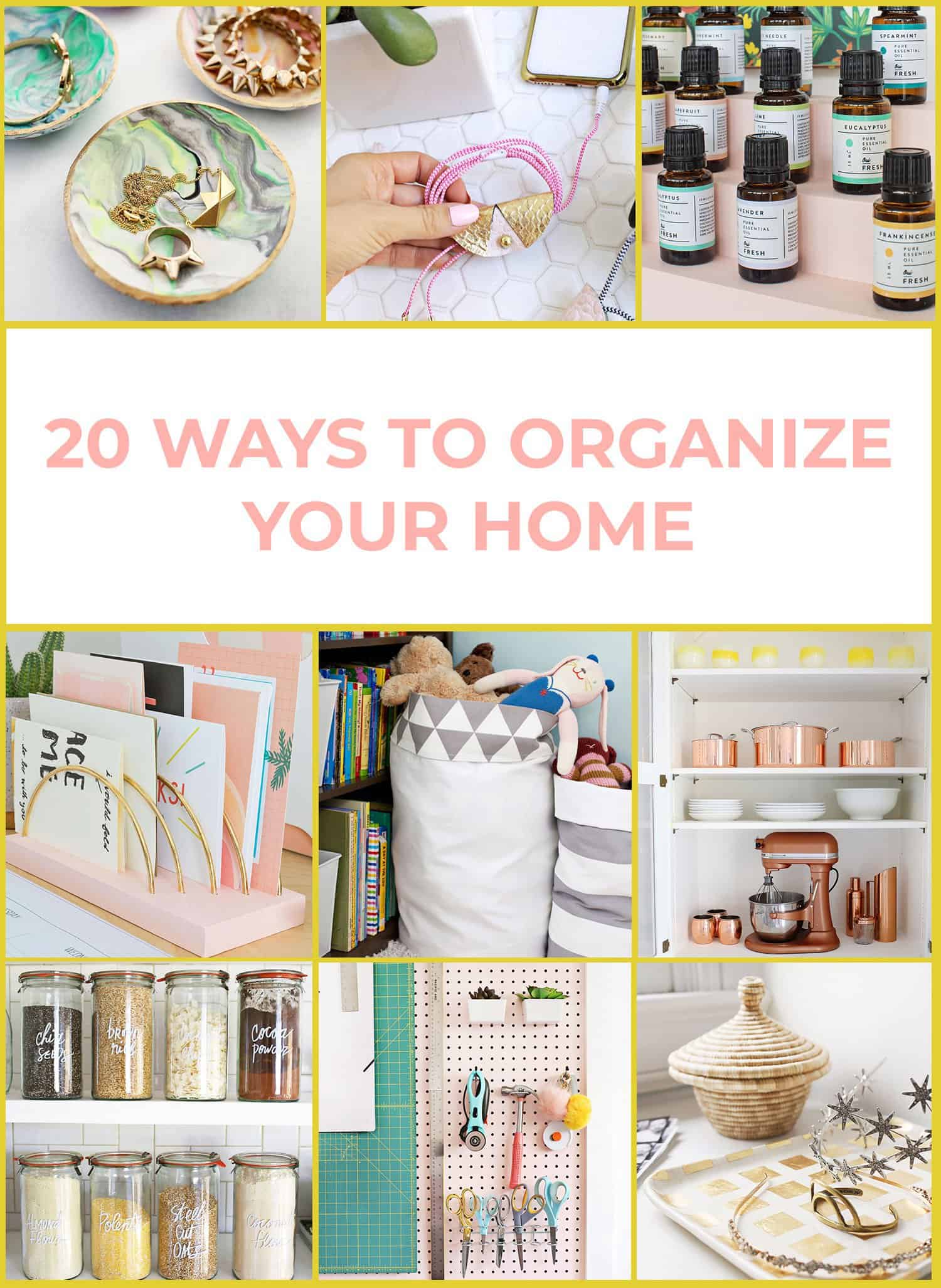
As we move further into 2026, technology plays an increasingly significant role in home organization. Smart devices and digital tools are no longer luxuries; they are practical necessities for maintaining order in busy households. Integrating tech into your organizational strategy can save time and reduce cognitive load.
Digital Receipts and Inventory Management
Paper receipts accumulate quickly, taking up drawer space and creating confusion during tax season or warranty claims. Digitize all your receipts using smartphone apps or cloud storage services. Many organizations now offer AI-powered receipt scanning that automatically categorizes expenses and stores images securely. This not only declutters physical spaces but also simplifies financial tracking. Create a dedicated folder system on your phone or computer for "Household Expenses," "Warranties," and "Receipts" to ensure easy retrieval when needed.
Smart Labels and Automation
Label makers have evolved beyond simple text printing. Modern label printers can create color-coded, waterproof, and durable labels suitable for humid environments like bathrooms and pantries. Use these to mark bins, drawers, and shelves clearly. Some advanced systems even integrate with voice assistants, allowing you to ask, "Where did I put the blue yarn?" and receive an instant answer based on your inventory database.
App-Based Cleaning Schedules
Maintaining cleanliness requires consistency, which is hard to achieve without reminders. Utilize smart home apps that sync with your calendar to send notifications for recurring cleaning tasks. These apps can track progress, assign tasks to family members, and even adjust lighting or music to create a motivating atmosphere during cleaning sessions. For instance, setting up a routine that plays upbeat music while you vacuum can make the chore feel less tedious and more like a ritual.
Implementing Color-Coded and Visual Organization Systems
Human brains process colors faster than text, making color-coding a powerful tool for rapid identification and maintenance. In 2026, this technique is widely used by professional organizers to create intuitive systems that anyone in the household can follow effortlessly.
Family Differentiation
Assign a specific color to each family member for their personal belongings. This applies to everything from toothbrushes and towels in the bathroom to lunchboxes and backpacks in the entryway. If everyone's essentials are the same color, mix-ups are inevitable. By using distinct colors—perhaps red for Dad, blue for Mom, and green for the kids—you eliminate confusion and teach children responsibility early on. This system extends to clothing hangers as well; coordinating outfits on one hanger saves time in the morning and ensures accessories match perfectly.
Zone Identification
Use color to define zones within larger rooms. For example, in a home office, use blue bins for paperwork, green bins for supplies, and yellow bins for active projects. This visual cue helps you instantly recognize where items belong without needing to read small labels. In open-concept living areas, use colored rugs or furniture accents to delineate spaces for working, playing, and relaxing. This spatial coding reduces the mental effort required to navigate your home and keeps traffic flow smooth.
Seasonal Rotation with Visual Cues
Seasonal decor and clothing can be stored out of sight but easily accessible. Use clear storage bins with color-coded lids to indicate the season or category. Store winter coats in red bins and summer dresses in yellow bins. When the seasons change, simply swap the bins on the high shelves. This visual system prevents the "out of sight, out of mind" syndrome and makes seasonal transitions seamless and stress-free.
Adopting the 7-Day Deep Clean Blueprint
Sometimes, a quick wipe-down isn't enough. When clutter gets out of hand or you simply feel it's time for a reset, a structured 7-day cleaning plan is the perfect solution. This blueprint breaks down the daunting task of deep cleaning into manageable daily goals, allowing you to tackle one room or zone per day without feeling overwhelmed.
Day 1: The Entryway and Mudroom
Start at the front door, as this is the first impression guests get and the last place you leave. Clear all surfaces of mail, shoes, and coats. Wash mats, vacuum floors thoroughly, and wipe down doorknobs and light switches. A clean entryway sets a tone of order for the rest of the house. In neighborhoods with harsh winters or rainy climates, dedicating extra time to the mudroom to organize boots and umbrellas is crucial for preventing mess spread throughout the home.
Day 2: The Kitchen Deep Dive
The kitchen requires the most intensive cleaning. Remove all items from countertops and put them away. Degrease the stovetop, scrub the oven interior, and sanitize the refrigerator shelves. Don't forget the microwave interior and the coffee maker. Organize pantry items by expiration date and group similar goods together. A spotless kitchen not only looks beautiful but also promotes healthier eating habits by making fresh ingredients more accessible.
Day 3: Bathrooms and Laundry
Bathrooms harbor bacteria, so disinfect toilets, sinks, showers, and tubs. Replace old towels and washcloths. In the laundry room, sort clothes, fold what's ready, and put away folded items. Check detergent levels and clean the lint trap in the dryer. Keeping these areas pristine is vital for hygiene and prevents odors from lingering in the home.
Days 4-6: Living Areas, Bedrooms, and Home Offices
Spread the remaining days across the living rooms, bedrooms, and offices. Dust high surfaces, vacuum upholstery, and rotate bedding. In home offices, digitize paper files and organize cables. Tackle closets by removing hangers, sorting clothes, and donating anything unworn. These rooms are where you relax and work, so ensuring they are orderly directly impacts your mood and productivity.
Day 7: Final Touches and Maintenance Planning
Use the final day to address any missed spots and establish a weekly maintenance routine. Vacuum all floors one last time, mop hard surfaces, and fluff pillows. Write down a checklist of tasks to repeat next week to prevent future buildup. This day is about consolidation and setting the stage for long-term success.
Sustainable Practices and Long-Term Maintenance Habits
True organization in 2026 is inseparable from sustainability. Creating a beautiful home also means creating an eco-friendly one. Reducing waste through mindful consumption and choosing durable, repairable items aligns with modern values and protects the planet.
Mindful Consumption and Repair Culture
Before buying new organizers or decor, ask yourself if you can repair or repurpose what you already have. Embrace the repair culture by learning basic mending skills or finding local tailors and cobblers. Choose organizers made from sustainable materials like bamboo, recycled plastic, or natural fibers. These choices not only reduce environmental impact but often result in higher-quality, longer-lasting storage solutions that age gracefully.
The Power of Daily Micro-Habits
Great organization isn't achieved in a single weekend; it's built through daily micro-habits. Spend just five minutes each evening returning items to their designated spots. Make your bed immediately upon waking; this simple act creates a sense of accomplishment and order for the rest of the day. Practice the "touch it once" rule: when you pick up mail or a package, deal with it immediately—file it, recycle it, or put it away—rather than letting it pile up. These small actions compound over time, preventing clutter from ever taking root.
Adapting to Local Lifestyles
Consider how your local environment influences your organization needs. In coastal areas like Miami or San Diego, prioritize moisture-resistant materials and quick-drying textiles to combat humidity. In colder climates like Minneapolis or Calgary, focus on efficient coat storage and boot drying systems to manage winter gear. Understanding your geographic context allows you to tailor your organizational strategies for maximum effectiveness and durability.
Cultivating a Mindset of Intentional Living
While systems and tools provide the structural backbone for an organized home, the true secret to long-term beauty lies in cultivating a mindset of intentional living. In 2026, the most successful homeowners are those who view their possessions not as trophies or necessities, but as partners in their daily lives. This shift in perspective transforms organization from a chore into a form of self-care. When you approach every item with the question, "Does this serve me?" or "Does this bring me joy?", decision-making becomes effortless. You stop accumulating "just in case" items that clutter your drawers and instead curate a collection of objects that actively enhance your well-being.
Intentionality also extends to how you interact with your space throughout the day. It involves being mindful of where you place things in the moment. If you grab a mug from the counter only to leave it there after drinking, you are creating friction for your future self. By establishing a mental habit of returning items to their "home" immediately after use, you prevent the slow creep of disorder. This mindfulness turns the act of tidying into a continuous, low-effort process rather than a massive, periodic overhaul. It is the difference between constantly fighting a tide of clutter and swimming effortlessly in clear, calm waters.
Furthermore, intentional living encourages digital minimalism within the physical realm. As we have discussed, technology can be a powerful ally, but it can also become a source of visual and mental noise if left unchecked. A truly beautiful home in 2026 is one where digital screens are minimized in common areas, replaced by physical books, art, and tactile textures. This balance creates a sensory-rich environment that grounds you in the present moment. It reminds you that life happens in the real world, surrounded by people and tangible experiences, not just virtual notifications. By consciously designing your home to support these values, you create a sanctuary that feels both modern and timeless.
The Role of Lighting and Atmosphere in Perceived Order
Even the most meticulously organized room can feel chaotic if the lighting is poor or the atmosphere is off. Light is the ultimate organizer; it reveals texture, defines boundaries, and sets the mood. In 2026, interior design trends emphasize layered lighting as a critical component of home organization. Instead of relying on a single overhead fixture, which casts harsh shadows and hides clutter, smart homes utilize a combination of ambient, task, and accent lighting.
Ambient lighting provides the base level of illumination, ensuring the entire room is visible without glare. Task lighting focuses light on specific areas where activities occur, such as reading nooks or kitchen islands, drawing the eye away from surrounding disarray. Accent lighting, often achieved with LED strips behind shelves or within cabinets, highlights decorative items and creates depth. This strategic use of light makes a small space feel larger and more open, effectively masking minor imperfections while showcasing your best organizational efforts.
Beyond brightness, the color temperature of your lights plays a significant role in how organized a space feels. Warm white light (2700K-3000K) creates a cozy, inviting atmosphere ideal for bedrooms and living rooms, encouraging relaxation and slowing down the pace of the household. Cool white light (4000K+) is better suited for kitchens, bathrooms, and home offices, where clarity and focus are paramount. In 2026, many homeowners are investing in smart bulbs that allow them to adjust color temperatures and brightness throughout the day to match their circadian rhythms. This dynamic lighting not only improves sleep and productivity but also enhances the perceived cleanliness of surfaces, making dust and smudges less noticeable.
Atmosphere is also influenced by scent and sound. A fresh, subtle scent can mask odors and elevate the perception of cleanliness, while background music or nature sounds can make cleaning feel less like a burden. Incorporating elements like air purifying plants not only improves air quality but also adds a layer of organic beauty that softens hard lines and structured storage. When light, scent, and sound work in harmony, they create an immersive experience that reinforces the feeling of order and tranquility.
Navigating Special Circumstances: Small Spaces and Multi-Generational Homes
Not all homes are created equal, and the strategies for keeping them organized must adapt to unique circumstances. Whether you live in a compact studio apartment in Tokyo or a sprawling multi-generational estate in the Midwest, the principles of flow and function remain constant, but the execution requires customization.
For small space dwellers, the mantra is "verticality and transparency." Every square inch counts, so storage solutions must reach upward. Utilize the space above doorways, windows, and even inside closet doors. Choose furniture with glass tops or open legs to maintain sightlines and prevent the room from feeling cramped. Mirrors are your best friend here; strategically placed mirrors can double the visual space and reflect light, making a tiny apartment feel expansive. In 2026, modular furniture systems are particularly popular, allowing owners to reconfigure pieces as needs change, ensuring that every inch of space serves a purpose.
Multi-generational homes present a different set of challenges, requiring a balance between shared spaces and private retreats. Organization systems must be inclusive, accommodating the needs of toddlers, working adults, and elderly relatives. This often means creating distinct zones within larger rooms. For example, a large living area might have a dedicated corner for children's toys with low, accessible bins, while maintaining a sophisticated media center for adults. Privacy is key; ensure that personal belongings for each generation have their own designated storage that others respect. Clear communication and agreed-upon rules about shared spaces are just as important as the physical storage solutions themselves. In these households, flexibility is paramount; what works today may need adjustment tomorrow as family dynamics evolve.
The Future of Home Organization: Trends to Watch in 2026 and Beyond
As we look toward the horizon, the landscape of home organization continues to evolve rapidly. Several emerging trends are shaping the way we think about our living spaces in 2026 and beyond. One of the most significant is the rise of AI-driven predictive storage. Imagine a system that analyzes your habits and suggests optimal storage locations before you even realize you have a problem. These AI assistants could learn that you always put your running shoes by the back door in the morning and automatically remind you to return them there at night, or suggest rearranging your pantry based on your eating patterns.
Another trend gaining traction is the concept of "Biophilic Organization." This goes beyond simply adding a plant to a shelf; it involves integrating natural elements directly into storage solutions. Think of organizers made from living wood, moss-lined drawers, or shelving units that mimic the irregularity of rock formations. This approach reduces stress and connects us to nature, even indoors. It challenges the rigid, sterile aesthetic of traditional organizing and replaces it with something organic and calming.
Additionally, the circular economy is influencing how we store and dispose of items. There is a growing movement toward "repair-first" storage, where spaces are designed specifically for mending clothes, fixing electronics, and repurposing materials. Instead of hiding broken items in a junk drawer, homes are being redesigned with dedicated workshops and repair stations. This shift not only keeps clutter at bay but also fosters a deeper appreciation for the objects we own. As sustainability becomes a core value, organization will increasingly mean managing resources efficiently rather than simply maximizing capacity.
Frequently Asked Questions About Maintaining a Beautiful Home
Q: How do I stay organized when I have guests coming over frequently?
A: Frequent hosting requires a "guest-ready" baseline rather than perfection. Adopt the 15-minute nightly reset routine before bed. Spend just fifteen minutes quickly tidying high-traffic areas like the living room and entryway. Focus on clearing surfaces, fluffing cushions, and putting away dishes. This ensures that when guests arrive, the home feels welcoming and orderly without requiring a deep clean beforehand. Keep a basket of extra blankets and throw pillows hidden away so you can quickly refresh a seating area if needed. Remember, guests usually appreciate a relaxed, authentic home over a sterile showroom, so don't let the fear of hosting paralyze your daily habits.
Q: What is the best way to organize a home office that doubles as a guest room?
A: The key is dual-purpose zoning. Use furniture that serves two functions, such as a desk that folds away into a wall unit or a sofa bed with built-in storage underneath. During the day, the space functions as a productive office with designated spots for paperwork and tech. At night, transform it into a sleeping area by covering the desk with a cloth or tucking items into closed cabinets. Use room dividers or bookshelves to visually separate the work zone from the rest zone. Ensure that cables are managed with sleeves or clips so the space looks clean regardless of its current mode. Labeling storage clearly helps everyone know where things belong, reducing confusion during transitions.
Q: Can I keep my home organized if I have young children?
A: Absolutely, but the system must be child-proof and child-accessible. High shelves are useless if kids cannot reach them to put toys away. Install low hooks for coats and bags, and use open bins with pictures on the front so children know exactly where their toys go. Implement a "clean up song" ritual that makes tidying fun rather than a punishment. Teach children the habit of returning items to their spot immediately after playing. Accept that some mess is inevitable with young children; the goal is progress, not perfection. Create specific "toy zones" where mess is allowed, and other areas that must remain pristine. Consistency and patience are your greatest tools here.
Conclusion: Your Journey to Serenity Starts Today
Keeping your home organized and beautiful is not a destination; it is a continuous journey of refinement and care. In 2026, the path to a serene living environment is paved with flexible systems, thoughtful technology, and a mindset of intentionality. By decluttering first, implementing room-specific strategies, and leveraging the power of color and light, you can transform any space into a functional masterpiece that reflects your unique style.
Remember that perfection is not the goal; progress is. Start with one room, one drawer, or one hour of your day. Celebrate small victories, whether it's a cleared countertop or a neatly arranged shelf. Over time, these small actions compound into a lifestyle of ease and elegance. Your home should be a reflection of your inner peace, a place where you can recharge, create, and connect with loved ones without the distraction of chaos.
Embrace the tools and techniques outlined in this guide, but more importantly, listen to your own needs and adapt them to your life. Whether you live in a bustling city or a quiet suburb, a beautiful home is within reach. It requires effort, yes, but the reward—a space that nurtures your mind and soul—is worth every minute of work. So, take a deep breath, grab your four boxes, and start your journey toward a more organized, beautiful, and peaceful life today. The home you dream of is waiting for you to build it, one intentional step at a time.